
Design Highlights
- The property and casualty insurance industry faced a 30.9% increase in homeowners insurance losses due to climate-related disasters in 2025.
- Premium growth decelerated significantly, with only a 6.1% increase in the first half of 2025 compared to 10.5% the previous year.
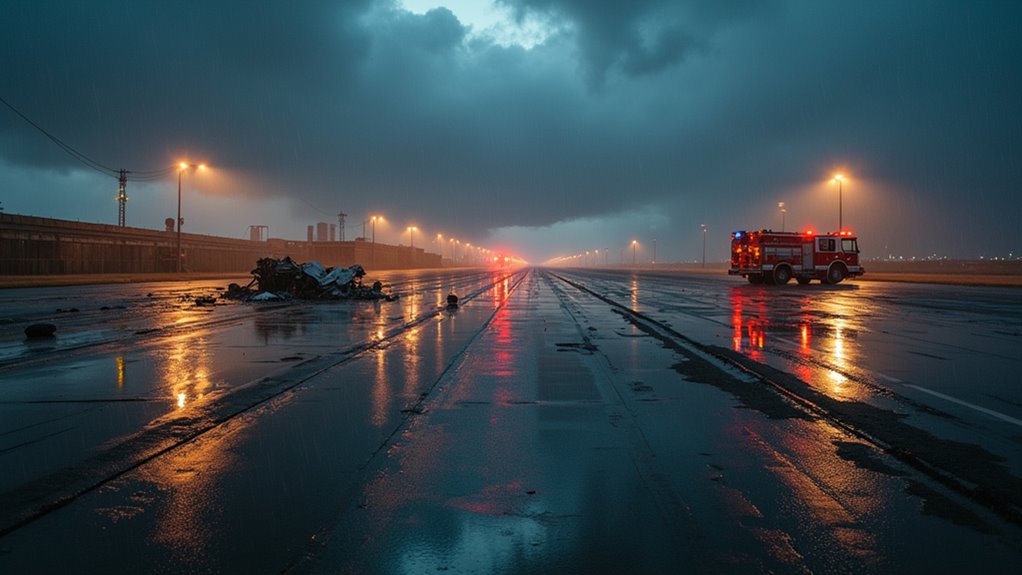
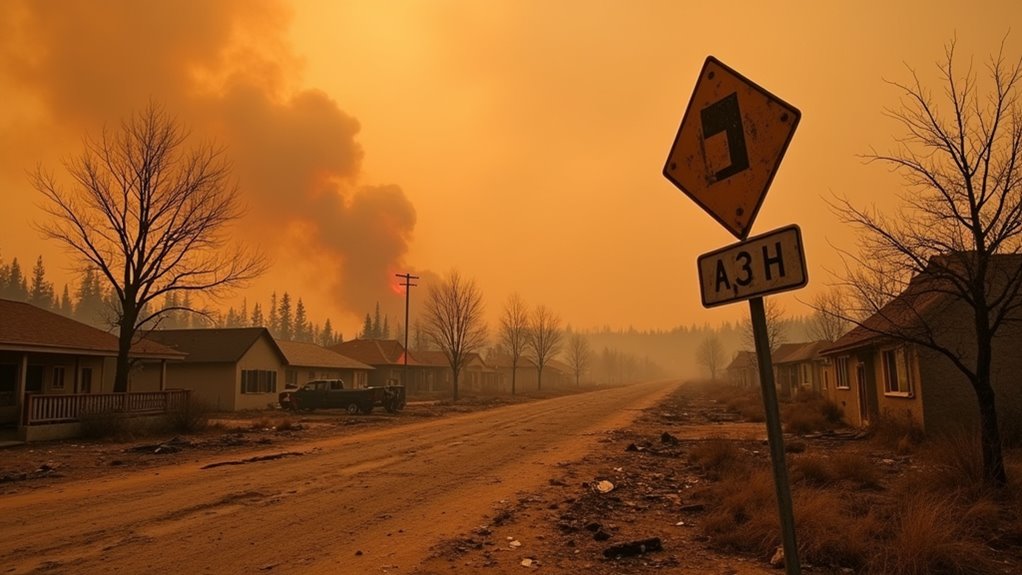
- Catastrophic events, including California wildfires and severe storms, strained insurers’ pricing models and financial stability.
- Social inflation and rising litigation costs complicated the insurance landscape, leading to frequent and costly legal battles for insurers.
- Demand surged for specialized coverage in climate-vulnerable areas, highlighting the need for adaptive strategies to manage unique regional risks.
In 2025, as climate chaos wreaked havoc across the U.S., the property and casualty (P&C) insurance industry found itself in a real pickle. Catastrophes were raining down like confetti at a New Year’s party, but instead of celebration, the industry was facing significant losses. Wildfires in California? Check. Severe storms across the U.S.? Double check.
Homeowners insurance losses shot up by a staggering 30.9%, while premiums barely crawled up by 12.8%. Talk about a losing game.
Homeowners insurance losses skyrocketed 30.9%, while premiums limped up by just 12.8%. What a tough game to play!
As if that wasn’t enough, premiums in climate-vulnerable regions, like California and Florida, soared higher than the flames engulfing the California hills. Insurers scrambled to adjust their pricing models, trying to keep up with the relentless barrage of catastrophic weather events. Rising property and casualty insurance premiums and flood insurance and wildfire-specific coverage became the new must-haves, especially in places where government support was about as helpful as a screen door on a submarine.
But the chaos didn’t just end with soaring claims. Premium growth decelerated like a car hitting a brick wall, creeping to a mere 6.1% in the first half of 2025. That’s a far cry from the 10.5% growth seen the year before. The industry was evolving out of a hard cycle, but the relief was short-lived. They were looking at 5% growth in 2025, with projections of just 4% for 2026.
The commercial sector wasn’t faring much better, with rate increases slowing down to a crawl. It seemed like every time they tried to catch a break, another catastrophe rolled in.
On the tech side, insurers were desperately trying to keep pace. Modernizing actuarial models and jumping into the world of machine learning was the latest craze. They were turning to drones and satellite imagery to assess property damage like it was the future of insurance. Additionally, AI and machine learning were being leveraged to cut underwriting costs and improve efficiency in claims processing.
And yes, telematics and IoT devices were all the rage, tracking property conditions to set premiums based on actual risks. Some insurers even encouraged homeowners to opt for higher deductibles as a way to reduce premiums and manage their own risk exposure.
But here’s the kicker: social inflation was becoming a real thorn in their side. Nuclear verdicts and rampant litigation costs were skyrocketing, making legal battles more frequent and painful. The P&C industry was under pressure, grappling with wildfires, fraud, and a shifting landscape.
It was a tough year, filled with challenges at every turn, leaving many wondering if this was just the beginning.