
Design Highlights
- FEMA has extended temporary housing assistance for Maui wildfire survivors until February 2027, benefiting nearly 1,000 households.
- The extension was granted after a request from Governor Josh Green to align with state recovery programs.
- The 2023 wildfires in Maui destroyed 2,200 structures and displaced around 12,000 individuals, primarily renters.
- Ongoing recovery efforts include rebuilding over 400 housing units in Lahaina, with more than 1,200 additional projects planned.
- Survivors still face challenges with eligibility requirements and a tight rental market, necessitating continued support beyond FEMA assistance.
In a lifeline that feels like a much-needed new lease on life, FEMA has extended its temporary housing assistance for Maui wildfire survivors until February 2027. Yes, you read that right. The extension comes after Hawaii’s Governor Josh Green put in a request, and Secretary of the U.S. Department of Homeland Security, Kristi Noem, waved her magic wand and granted it.
FEMA’s temporary housing assistance for Maui wildfire survivors now extends to February 2027, offering much-needed relief and stability.
Originally, the cutoff date was set for February 2026, but now it aligns nicely with state programs, offering a lifeline to nearly 1,000 households still grappling with the aftermath of the catastrophic wildfires.
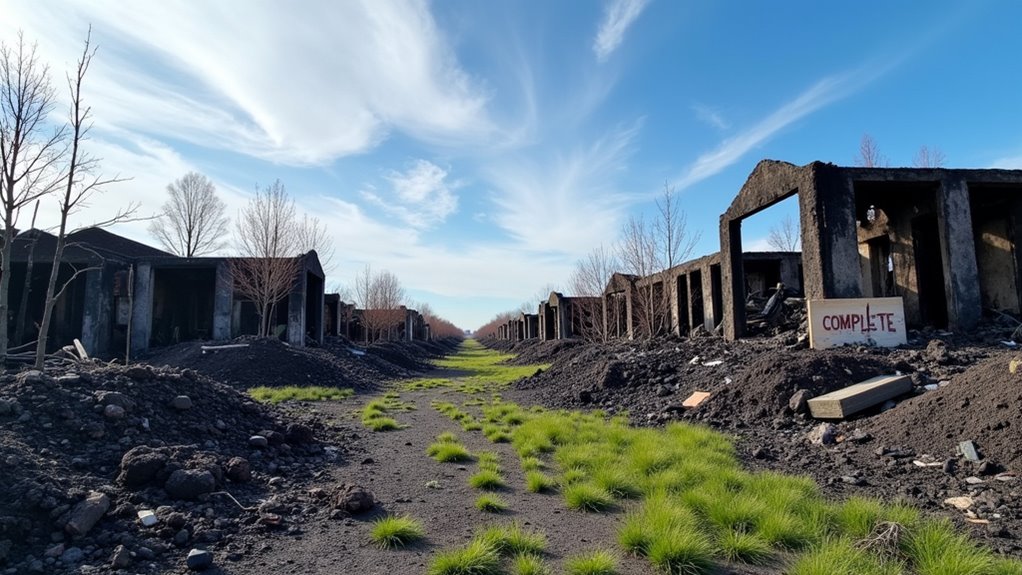
Those wildfires did a number on Maui in 2023, wiping out 2,200 structures, claiming 102 lives, and displacing around 12,000 individuals. Talk about a tragedy of epic proportions. And guess what? A staggering 89% of those displaced were renters.
In a rental market that’s already tighter than a drum, this extension is a blessing. Many families were on the brink of facing a housing cutoff, which would have sent them into a frenzy of anxiety and stress. Who needs that kind of hassle?
Earlier in the recovery process, the Red Cross was busy housing around 8,000 people in hotels and temporary shelters. But as FEMA shifted families into rental assistance and temporary shelters, the pressure mounted. The message from officials like Maui Mayor Richard Bissen was crystal clear: this extension is a crucial step for stability.
Finally, some breathing room for those families trying to piece their lives back together. But let’s not kid ourselves; the road is still bumpy. Survivors have raised concerns about the burdensome eligibility requirements.
The constant moving around during the shift phase has been a nightmare. As Governor Green pointed out, recovery doesn’t follow an artificial deadline. It’s messy, unpredictable, and downright challenging. Community meetings have hinted that more needs to be done to help these families shift out of FEMA programs. Ongoing housing needs have been recognized by state and federal officials as critical for housing recovery. For those who lost homes in the disaster, understanding homeowners insurance costs and coverage options will be essential as they navigate the rebuilding process.
Meanwhile, Maui County has been hustling to expedite the rebuilding of over 400 units in Lahaina, with more than 1,200 additional projects in the pipeline. That’s great—if you can ignore the fact that the housing crisis is far from over.