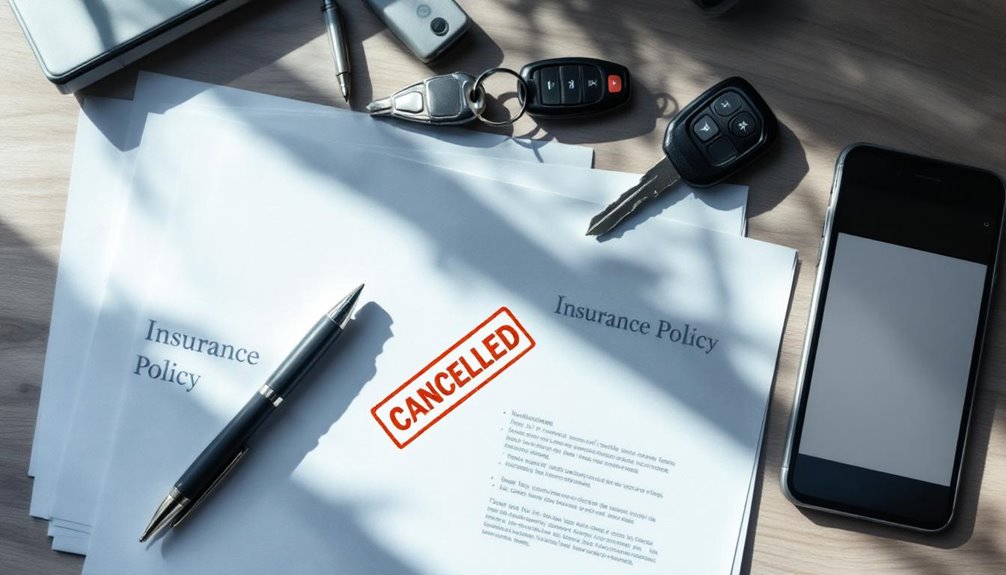
Renters insurance does cover property damage, but here’s the catch—it depends on what property we’re talking about. The policy protects a tenant’s personal belongings from disasters like fire, theft, and vandalism. It won’t cover the landlord’s building or fixtures, though. Liability coverage kicks in if the tenant accidentally damages someone else’s property, like starting a kitchen fire that spreads. Flooding and earthquakes? Not covered unless specifically added. The details matter considerably when determining what’s actually protected.
Design Highlights
- Renters insurance covers personal belongings damaged by fire, theft, vandalism, and certain water damage, reimbursed at depreciated value.
- Liability coverage protects against lawsuits for accidental property damage or injuries to others, including legal expenses.
- Flooding, earthquakes, pest damage, and intentional damage are excluded unless specifically added through endorsements.
- Landlord’s property, including buildings and fixtures, is not covered; only tenant’s personal possessions are protected.
- Additional living expenses are covered if the rental becomes uninhabitable due to a covered event like fire.
When most renters think about insurance, they picture their stuff going up in flames or some burglar making off with their laptop. And they’re not wrong. Renters insurance does cover personal belongings when disaster strikes. Fire, smoke, theft, vandalism, certain water damage—the usual suspects are on the list.
The catch? Reimbursement typically comes at actual cash value, meaning depreciation gets factored in. That three-year-old couch isn’t worth what was paid for it anymore.
Coverage follows belongings beyond the apartment walls too. Stuff gets protected while traveling or temporarily away from home. But there are limits. Jewelry, collectibles, business equipment—these items often hit special caps or need extra coverage.
Your valuables travel with you, but jewelry and collectibles face strict limits without additional riders.
And forget about flooding or earthquakes. Those aren’t covered unless specifically named perils like windstorms or lightning caused the damage.
Here’s where things get interesting. Renters insurance doesn’t touch the landlord’s property. The building itself, walls, roof, windows, fixtures—that’s all on the landlord’s dime through their own insurance.
Unless the tenant caused the damage. Then liability coverage might kick in. Personal liability coverage is the safety net for when tenants accidentally trash someone else’s property or hurt someone.
Start a kitchen fire that damages the rental? That’s covered under liability. Same goes for explosions or smoke damage caused by tenant negligence. Even pet damage gets some protection, though with limits.
The policy shields tenants legally and financially if they get sued for property damage from covered causes. But intentional damage? Forget it. Neither renters nor landlord insurance wants anything to do with malicious destruction.
That’s security deposit territory or straight to court. Some policies offer optional endorsements for scenarios outside basic coverage. Pet damage beyond the standard limits, accidental water damage caused by the tenant—these add-ons extend protection but vary wildly by insurer.
Landlords sometimes push tenants toward these endorsements for their own peace of mind. The list of covered perils tends to include fire, smoke, lightning, explosions, vandalism, theft, certain water damages, and weather-related events.
Power interruptions and debris removal often make appearances too. The specifics matter though. Named perils policies only cover what’s explicitly listed, while other structures protect against everything except exclusions.
Pest infestations typically fall outside coverage boundaries since they’re considered maintenance issues rather than sudden accidents. If the rental becomes uninhabitable due to a covered event, additional living expenses help cover temporary housing costs. Renters should create a detailed possession inventory to ensure they have adequate coverage limits for their belongings. Bottom line: renters insurance covers personal belongings and liability for damage caused to others. The landlord’s building repairs stay the landlord’s problem unless tenant negligence created the mess.
Frequently Asked Questions
What Happens if My Roommate Causes Damage to the Rental Property?
When a roommate damages the rental, things get messy fast. The policyholder’s liability coverage *might* kick in for accidental damage to the unit—emphasis on might.
Depends on the policy terms and what actually happened. Intentional damage? Forget it. Not covered.
The landlord will likely grab the security deposit first. If that’s not enough, expect legal action or insurance claims.
Bottom line: roommates typically need their own policies because one person’s coverage rarely protects everyone’s chaos.
Does Renters Insurance Cover Damage Caused by My Pet?
Nope. Standard renters insurance doesn’t cover pet damage to the rental unit or personal belongings.
Chewed furniture? Out of pocket. Scratched floors? That’s on the renter.
Landlords know this, which is why they demand pet deposits. The coverage does protect against liability when pets injure others or damage someone else’s property outside the household—think neighbor’s couch or landscaping.
Some policies offer pet damage endorsements for limited protection, but they’re add-ons. Most pet destruction remains the owner’s financial problem.
Will My Landlord’s Insurance Cover My Personal Belongings if Damaged?
No. Landlord insurance won’t cover a tenant’s personal stuff. Period. That policy protects the landlord’s building and their investment—not someone else’s belongings.
If a tenant’s couch burns up or their laptop gets stolen, the landlord’s insurance doesn’t care. It’s not designed for that.
Tenant possessions are explicitly excluded from every standard landlord policy. That’s why renters insurance exists. Without it, tenants are on their own when disaster strikes. Simple as that.
How Much Does Renters Insurance Typically Cost per Month?
Renters insurance runs about $14 to $23 monthly on average, though it can swing wildly depending on where someone lives.
States like North Dakota clock in at roughly $114 annually—that’s around $9.50 a month. Mississippi? Try $222 a year, or about $18.50 monthly.
Coverage amounts matter too. A basic $20,000 personal property policy averages $16 per month, while beefier $60,000 coverage with higher liability limits pushes closer to $30.
Location and coverage drive the price.
Can I File a Claim if Damage Occurs During a Move?
Maybe. If stuff gets damaged during a move from a covered peril—like fire, theft, or water damage—renters insurance might cover it.
Drop a lamp because you’re clumsy? That could fall under personal property coverage.
But here’s the catch: policies vary wildly on moving damage. Some exclude it entirely, others have limits. Intentional damage? Forget it.
And damage to the landlord’s walls or doors from hauling furniture? That’s coming out of the security deposit, not the insurance.