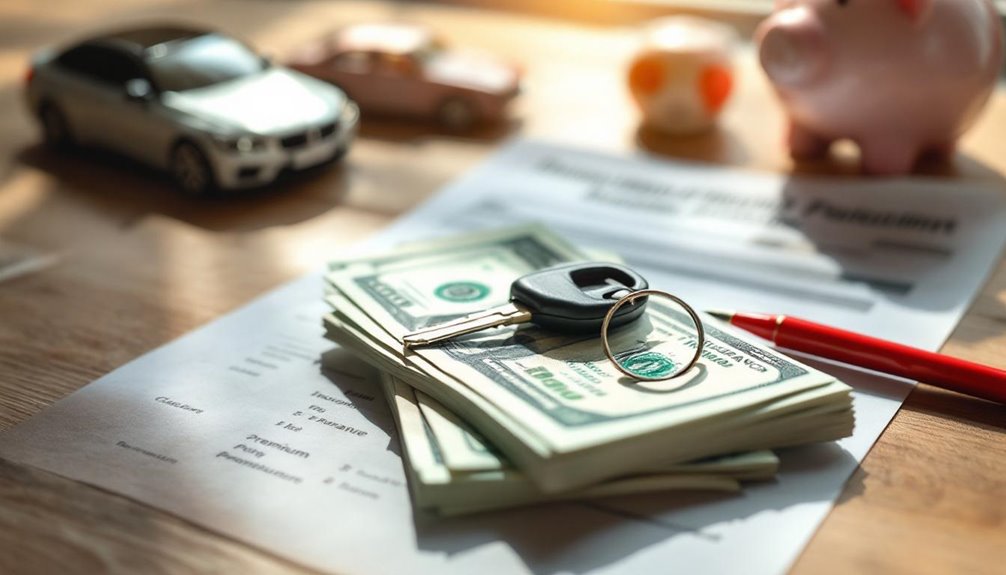
Renters insurance covers personal appliances that tenants own—think coffee makers, mini fridges, and vacuum cleaners. But here’s the catch: it won’t cover the refrigerator or dishwasher that came with the apartment. Those belong to the landlord. Coverage kicks in for perils like fire, theft, water damage, or vandalism. Wear and tear? Forget it. Mechanical breakdowns need a separate endorsement. High-value items might require special coverage too. There’s more to know about limits, deductibles, and what actually qualifies.
Design Highlights
- Renters insurance covers personal appliances you own, like blenders, coffee makers, washers, dryers, and air conditioners.
- Landlord-provided appliances, such as refrigerators or stoves, are not covered under your renters insurance policy.
- Coverage activates for events like fire, theft, vandalism, water damage, or natural disasters, but excludes wear and tear.
- Equipment breakdown coverage, an optional add-on, protects against mechanical or electrical failures not covered by standard policies.
- High-value appliances may require special endorsements, and claims depend on your policy’s personal property limits and deductibles.
Most renters don’t think about their blender until it’s gone. Then suddenly they’re staring at an empty counter space wondering if their insurance actually covers the stuff that makes their apartment livable. The answer is yes, but with enough caveats to fill a policy binder.
Renters insurance typically covers personal appliances. Blenders, mixers, cookers, mini refrigerators, coffee makers, vacuums, fans, portable heaters, washers, dryers, air-conditioning units. The usual suspects. But here’s the catch: only the appliances you own. That refrigerator your landlord provided? Not your problem, not your coverage. The policy covers your stuff up to the personal property limit stated in the fine print.
Your blender’s covered, your landlord’s fridge isn’t—renters insurance only protects appliances you actually own.
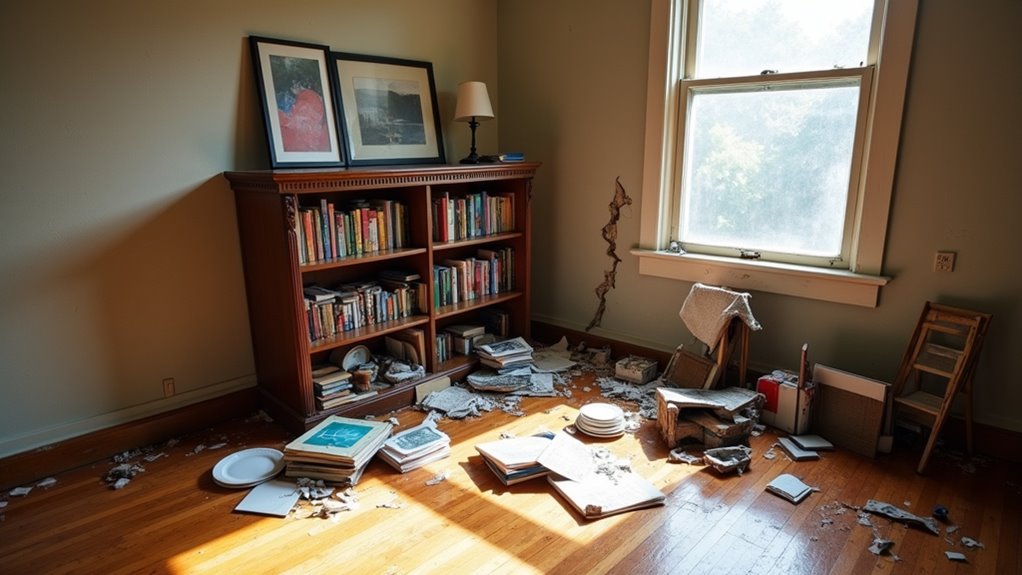
The coverage kicks in when something actually happens to these appliances. Fire, smoke, water damage, vandalism, theft, wind damage. The standard disasters that make life miserable. Some policies even cover damage from short circuits caused by artificially generated electrical current, though companies like State Farm cap that at three grand. Natural disasters like storms or floods that wreck your appliances are typically covered too.
What doesn’t make the cut is predictable. Normal wear and tear gets laughed out of the claims office. That ten-year-old microwave that finally gave up? Nobody’s paying for that. Mechanical or electrical failures that just happen because appliances have expiration dates are excluded. Same goes for intentional damage or negligence. Break your own stuff and you’re on your own.
Here’s where it gets interesting. Equipment breakdown coverage exists as an add-on endorsement. This covers mechanical or electrical failures that standard policies ignore. Improper installation, pressure system breakdown, electric arcing, mechanical rupture. It’s protection against the random internal failures that kill appliances in their prime. But it’s not automatic. You have to add it for an additional premium.
High-end items create their own headaches. That expensive TV might need a special endorsement for extended coverage. Appliances must be listed as personal property in the policy to qualify. And they need to be located on the insured premises. Move them off-site and coverage gets shaky, though storage units sometimes qualify at reduced amounts. Creating an inventory of possessions helps determine whether you need additional coverage for high-value items beyond standard policy limits.
Filing a claim means dealing with personal property coverage limits, minus the deductible. Reimbursement depends on whether the policy pays replacement cost or actual cash value. Documentation helps. Receipts, photos, proof of ownership. The usual evidence that you actually owned what you’re claiming. Contact the insurance company within 24 to 72 hours of discovering the damage or loss to start the claims process. Beyond appliances, renters insurance can also cover living expenses if your unit becomes uninhabitable due to a covered loss.
The system works, sort of. Just don’t expect miracles for that ancient appliance that died of old age.
Frequently Asked Questions
What Documentation Do I Need to File an Appliance Claim?
Filing an appliance claim requires the policy number, photos or videos of the damage, and proof of purchase receipts.
A detailed incident description is essential—fire, theft, whatever caused it. Police reports matter for theft or vandalism cases.
Insurance companies want repair estimates from technicians and maintenance records proving the appliance wasn’t just old and broken.
File within 24-72 hours typically. Keep copies of everything submitted.
Claims adjusters might inspect the damage themselves.
Are Portable Appliances Like Microwaves Covered Differently Than Built-In Ones?
Yes, they’re covered completely differently.
Portable appliances like microwaves that the renter owns are covered under renters insurance—simple as that.
Built-in appliances? Not covered. Those belong to the landlord, so they fall under the landlord’s insurance responsibility.
The key distinction is ownership. If the renter brought it into the rental, it’s protected. If it was already installed and part of the property infrastructure, it’s the landlord’s problem.
Pretty straightforward divide.
Does My Deductible Apply to Appliance Replacement Claims?
Yes, the deductible applies to appliance replacement claims.
It’s subtracted from the claim payout before any reimbursement happens. Most deductibles sit between $500 and $1,000, though they range from $250 to $2,500. The amount was chosen when the policy was purchased.
It applies to every covered claim, regardless of which appliance bit the dust or how much it’s worth. The deductible gets paid first.
No exceptions.
Can I Add Extra Coverage for Expensive Appliances?
Yes, renters can purchase endorsements or riders to boost coverage for high-value appliances.
Equipment breakdown coverage is a common add-on that protects against mechanical failures, electrical surges, and installation mishaps.
Some insurers offer scheduled personal property coverage for specific expensive items like high-end TVs or refrigerators.
The premiums are typically low compared to what’s being protected.
Standard policies often cap coverage at $1,500 to $2,500 per item, so additional protection makes sense for pricier stuff.
How Long Does an Appliance Claim Typically Take to Process?
Processing an appliance claim typically takes anywhere from a few days to several weeks—it really depends.
Initial review might wrap up in under a week if documentation is solid. Then comes the adjuster inspection, which can drag on for 1–3 weeks.
Once approved, payout usually happens within 1–2 weeks. Total time? Figure 2–6 weeks on average, though complexity, missing paperwork, or disaster-related backlogs can stretch things out considerably longer.