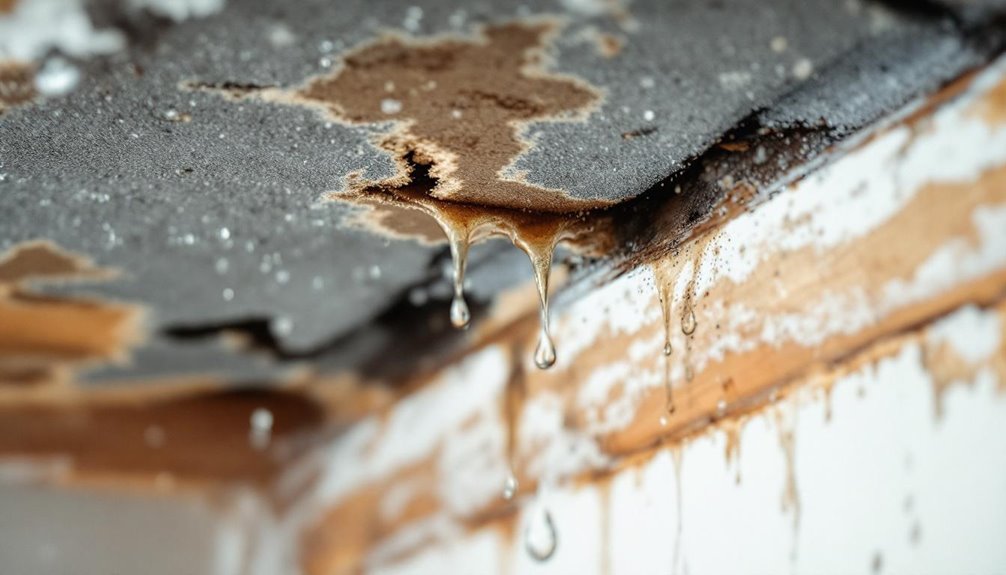
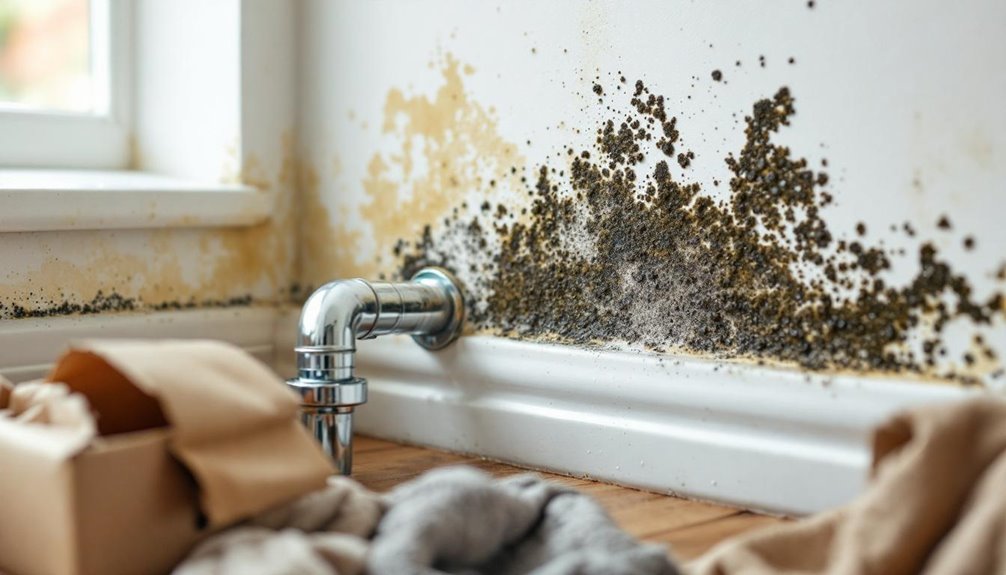
Homeowners insurance covers roof leaks caused by sudden, accidental damage—think storms, fallen trees, or fire. But here’s the catch: aging shingles, wear and tear, and plain old neglect? Not covered. Insurance companies won’t pay for roofs that deteriorated because nobody bothered to maintain them. Most policies also exclude floods and earthquakes unless separate coverage exists. Dwelling coverage handles structural damage, while personal property coverage reimburses damaged belongings. The details matter, and understanding what triggers coverage versus what leaves homeowners paying out-of-pocket makes all the difference.
Design Highlights
- Homeowners insurance covers roof leaks only if caused by sudden, covered perils like storms, fire, or vandalism.
- Damage from aging, neglect, wear and tear, pests, or lack of maintenance is excluded from coverage.
- Coverage includes structural repairs, damaged belongings, mold remediation, and temporary housing if the leak qualifies.
- Filing a claim requires meeting your deductible, typically $500-$2,000, and proving damage resulted from a covered event.
- Regular roof maintenance and documentation are essential since insurers deny claims for preventable or gradual deterioration.
Insurance companies aren’t in the business of fixing roofs that simply got old. If shingles deteriorated over time or the roof just aged out, that’s on the homeowner. Same goes for neglect. Failed to maintain the roof and now it’s leaking? Too bad. Policies also exclude damage from pests, foundation settling, rot, and animals.
And standard homeowners policies won’t cover floods or earthquakes, which require separate coverage entirely.
When a covered peril does cause a roof leak, the coverage extends beyond just the roof itself. Dwelling coverage pays for structural damage to ceilings, walls, and floors. Personal property coverage can reimburse damaged furniture and electronics that got soaked. If mold grows because of a covered roof leak, remediation costs may be covered too.
Loss of use coverage might even compensate for hotel stays if the home becomes uninhabitable during repairs.
The claims process requires jumping through hoops. Homeowners must report damage promptly and prove the cause was a covered peril. An insurance adjuster inspects everything and determines eligibility. Documentation of incidents and damages is crucial for claims, as adjusters evaluate the damage and determine the responsible cause.
Here’s the kicker: deductibles must be met first. Most deductibles range from $500 to $2,000, while average roof leak repairs cost between $360 and $1,550. Do the math. Sometimes filing a claim isn’t even worth it.
Coverage type matters too. Some policies offer actual cash value, which factors in depreciation. Others provide replacement cost coverage, which pays for repairs without depreciation deductions. The difference considerably impacts payout amounts.
Extensive damage from covered perils might result in full roof replacement coverage. But if the damage stems from neglect or wear and tear, homeowners pay everything out-of-pocket. Insurance policies specify which perils are covered and excluded, making careful policy review essential. Regular roof inspections help identify potential issues before they turn into major problems, especially after storms.
Keeping detailed maintenance records helps support claims when needed. The bottom line: sudden, accidental damage gets covered. With homeowners insurance premiums rising 24% nationally from 2021 to 2024, understanding what’s actually covered becomes even more critical. Everything else? Not so much.
Frequently Asked Questions
How Much Does It Cost to Replace a Roof?
Replacing a roof typically costs between $7,000 and $14,500 for most American homes, with a national average hovering around $10,000 to $11,000.
But that’s just average stuff. Larger homes or complex designs? Easily $25,000 to $30,000-plus. California homeowners get hit harder—$26,600 to $34,400 on average.
Material choice matters big time. Basic 3-tab shingles run about $4 per square foot, while fancy metal roofs can exceed $14 per square foot.
Location, roof size, and complexity drive the final bill.
Can I File a Claim for an Old Roof Leak?
Filing a claim for an old roof leak? Good luck with that.
Insurance companies typically deny claims when age, wear and tear, or lousy maintenance caused the leak. They’re looking for sudden, accidental damage—storms, hail, falling trees. Not years of neglect.
An adjuster will inspect and determine the cause. If it’s just an old, deteriorating roof, the claim gets denied.
However, interior water damage from that leak might still be covered, even if fixing the roof isn’t.
Will Filing a Roof Leak Claim Increase My Insurance Premiums?
Yeah, filing a roof leak claim can bump up premiums. How much? Depends on the insurer and situation.
First-time filers usually see smaller increases than repeat offenders. Multiple claims in a short time? That’s when rates really jump. Insurance companies review claim history at renewal, plain and simple.
Some insurers offer claim forgiveness programs, which help. The cause matters too—covered perils typically ding rates less than preventable damage from poor maintenance.
Do I Need a Professional Inspection Before Filing a Claim?
Getting a professional inspection before filing isn’t legally required, but it’s pretty smart.
Here’s why: it documents the damage and proves it wasn’t from neglect or gradual wear—stuff insurers love to deny.
Without one, homeowners risk claim rejection if the insurer decides the leak resulted from poor maintenance.
The inspection creates a formal record of what happened and when. It basically gives concrete evidence instead of just saying “my roof leaks.”
That documentation matters when fighting for coverage.
What Documentation Do I Need When Filing a Roof Leak Claim?
Policyholders need their insurance policy number, photo ID, and proof of ownership ready.
Photos and videos of the leak and damage are critical—document everything.
Get written estimates from licensed contractors and inspection reports showing what caused it. Storm reports or evidence of covered perils matter.
Keep records of regular maintenance to prove it wasn’t neglect.
Submit detailed claim forms, track all communications with adjusters, and save copies of everything submitted.