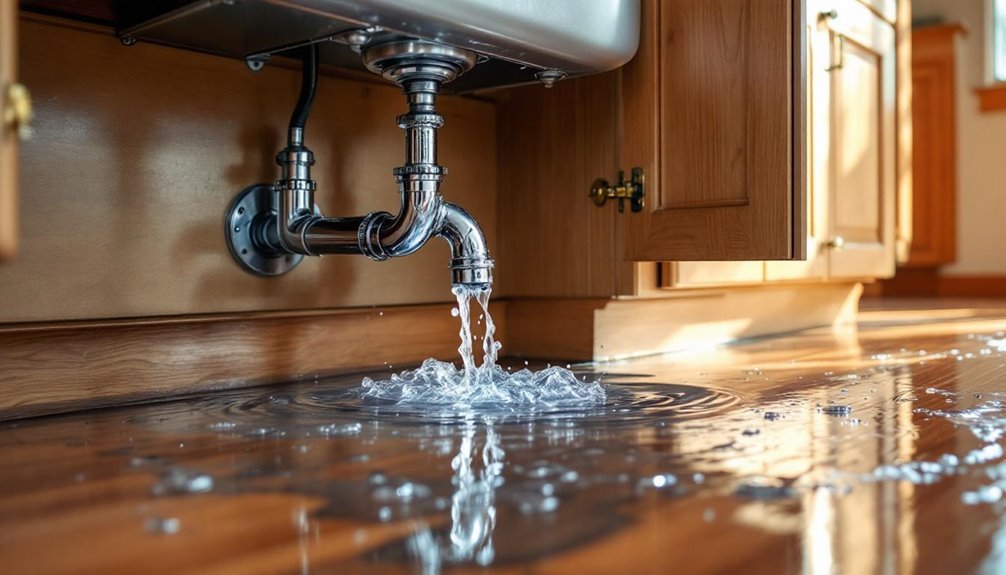

Homeowners insurance covers sudden plumbing disasters like burst pipes or broken washing machine hoses—the key word being sudden. Gradual leaks? Nope. Corroded pipes from neglect? Not happening. The insurance pays for water damage to walls, floors, and belongings, but here’s the kicker: it won’t cover the actual plumbing repair itself. That busted pipe? Out of pocket. And forget about sewer backups or flooding without additional coverage. Regular maintenance matters, because preventable damage gets denied fast. There’s more to know about what’s actually protected and what leaves homeowners scrambling.
Design Highlights
- Homeowners insurance covers sudden and accidental plumbing disasters like burst pipes, but excludes gradual damage from wear and tear.
- Water damage to property from plumbing failures is covered, but repairing or replacing the actual plumbing components is not.
- Preventable damage from poor maintenance or neglect, including frozen pipes from inadequate heating, will be denied coverage.
- Specific issues like sewer backups and water supply line damage require separate additional coverage beyond standard policies.
- Damage caused by a neighbor’s or contractor’s plumbing typically falls under their liability coverage, not your homeowners policy.
Water damage from plumbing problems is one of those homeowner nightmares that nobody thinks about until it happens. Then suddenly there’s water everywhere, panic sets in, and the first question becomes: will insurance actually pay for this mess?
The answer depends entirely on how the damage occurred. Homeowners insurance typically covers sudden and accidental plumbing disasters. A pipe bursts in the middle of the night? Covered. The washing machine hose breaks and floods the laundry room? Usually covered. A frozen pipe explodes during a cold snap? Generally covered.
The key word here is sudden.
What insurance won’t cover is anything that happened slowly over time. That sneaky leak behind the bathroom wall that’s been dripping for months? Not covered. Corroded pipes that finally gave out after years of neglect? Nope. Wear and tear doesn’t qualify. Neither does damage from lack of maintenance or outright neglect. Forgot to turn on the heat during freezing weather and the pipes burst? Insurance companies will call that preventable and deny the claim.
Here’s something that frustrates homeowners: insurance covers the water damage itself but not the actual plumbing repair. The policy will pay to fix water-damaged walls, floors, carpets, and furniture. It might even cover mold cleanup if the mold resulted from that sudden plumbing failure.
But the cost to repair or replace the broken pipe or water heater? That’s coming out of pocket.
Standard policies also don’t cover certain water-related disasters. Sewer backups and sump pump failures require separate water backup coverage. Foundation leaks from flooding aren’t covered at all. Service line protection is needed for damage to water supply lines. Equipment breakdown coverage might help with certain plumbing equipment failures.
Mold endorsements provide extra protection for mold issues beyond basic coverage limits.
What about damage caused by someone else’s plumbing? If a neighbor’s pipes flood into someone’s home, their liability coverage should handle it. Same goes for contractor-caused damage. The catch is that homeowners might need to pay upfront and seek reimbursement later. Documentation becomes critical for these claims.
The bottom line is this: sudden accidents get covered, gradual problems don’t. Insurance companies draw a hard line between unexpected disasters and predictable maintenance issues.
They’ll pay for chaos but not for negligence. Regular maintenance checks can reduce the risk of water damage and make future claims easier to process. Water monitors or leak detection systems can alert homeowners to problems before they become disasters. Anyone wanting extensive protection needs to understand what’s covered, what’s not, and what additional coverage might be necessary. Policy specifics like deductibles and coverage limits vary by insurer, so consulting with an insurance agent helps clarify exactly what protection is in place.
Frequently Asked Questions
How Much Does It Cost to Add Sewer Backup Coverage?
Sewer backup coverage runs between $50 and $250 annually for basic protection.
That’s pretty reasonable considering repair bills often top $15,000. The initial $5,000 in coverage costs $30 to $70 per year.
Want more protection? Each additional $5,000 bumps the premium by $25 to $35.
Location matters too—older neighborhoods with sketchy drainage pay more.
Higher deductibles slash costs, but then you’re paying more out of pocket when disaster strikes.
Will Filing a Plumbing Claim Increase My Homeowners Insurance Premiums?
Filing a plumbing claim? Yeah, it’ll probably bump up those premiums.
How much depends on the insurer, claim size, and how often pipes have burst before. Big claims hit harder than small ones. Multiple claims in a short span? That’s a red flag for insurers, and rates climb faster.
Some companies let minor stuff slide without penalty, but don’t count on it. Sudden accidents fare better than neglect-related damage, which often gets denied anyway.
What Documentation Do I Need When Filing a Plumbing Damage Claim?
Policyholders need their insurance policy number, government-issued ID, and proof of ownership.
Photos and videos of the damage are essential—the more, the better. Repair estimates from licensed plumbers, receipts for damaged items, and a detailed loss inventory help.
Document when the damage happened and what caused it. Keep records of all communication with the insurer, including claim numbers and adjuster correspondence.
If mold shows up or temporary housing is needed, document those expenses too.
Are Frozen Pipe Repairs Covered During Winter Months?
homeowners insurance typically won’t pay to fix the frozen pipes themselves.
But the water damage they cause? That’s usually covered—think soaked floors, ruined walls, destroyed furniture.
The catch? Homeowners can’t be negligent. Let the heat drop too low or skip winterizing? Claim denied.
Keep the house warm, insulate pipes, and document everything. Insurance covers sudden disasters, not lazy maintenance.
Stay proactive or pay out of pocket.
Does Insurance Cover Plumbing Damage in Rental Properties I Own?
Landlord insurance covers water damage from sudden plumbing failures like burst pipes, but here’s the catch—it won’t pay to fix the actual broken pipe itself.
The policy handles damage to the building structure and tenant belongings caused by the water. Gradual leaks? Forget it. Those are excluded because they’re not sudden.
Sump pump failures don’t count either. And if the landlord ignored obvious problems, the insurer will deny the claim.
Simple maintenance stays out-of-pocket.