Design Highlights
- Cyclone losses in 2025 are projected to reach USD 46.4 billion, indicating a troubling trend in economic impact.
- Climate change is worsening cyclone intensity, leading to increased rainfall and flooding, placing coastal communities at heightened risk.
- Insured losses remain significantly lower than total damage, exposing gaps in coverage and increasing reliance on public aid post-disaster.
- Rapid urbanization and population growth in coastal areas amplify vulnerability, exacerbating the risks associated with cyclones.
- Aging infrastructure and informal settlements complicate disaster response efforts, highlighting the need for better preparedness and recovery strategies.
Cyclones are not just bad weather; they’re costly disasters. Take a moment to digest this: tropical cyclones are racking up a staggering annual average loss of USD 119.5 billion. That’s billion with a “B.” Almost USD 100 billion of that is tied up in infrastructure.
Over the last 50 years, these swirling monsters have collectively caused a jaw-dropping US$1.4 trillion in economic losses. That’s about US$78 million a day! And let’s not forget the human cost—779,324 people have tragically lost their lives due to cyclones, which are responsible for about 38% of weather-related deaths and economic losses.
Fast forward to 2025, and the cyclone season is shaping up to be a real doozy. Preliminary estimates suggest damage could hit around US$46.4 billion this year alone. The North Atlantic/Eastern Pacific and Northwest Pacific regions are forecasted to suffer losses of approximately US$22 billion, with 13 tropical cyclones developing in the North Atlantic. A total of 24 tropical cyclones reached at least Category 3 in 2025, indicating an increase in storm intensity.
Meanwhile, the Asia-Pacific region is bracing itself for half of those global losses with several billion-dollar typhoons coming to play. Great, right? Just what the world needs.
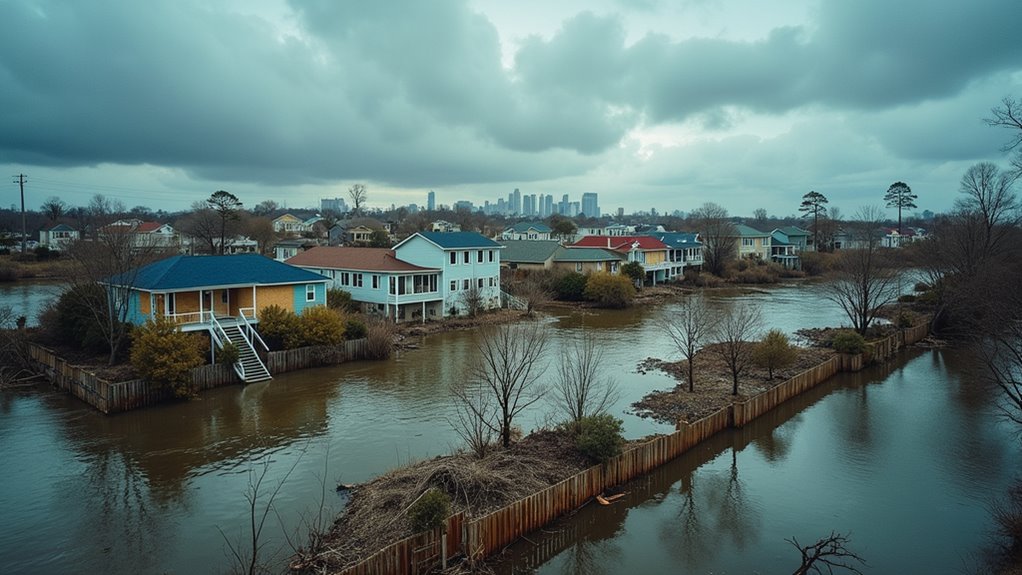
Climate change is on a roll, cranking up the destructive power and rainfall associated with these cyclones. It’s like nature’s version of a bad sequel—more intensity, more flooding, and definitely more chaos. Coastal areas? They’re feeling the heat, with rising exposure and the potential for a triple whammy of storm surge, heavy rainfall, and river flooding.
But here’s the kicker: despite soaring losses, insurance coverage is lagging. In 2025, insured losses were considerably lower than long-term averages. Areas hit hardest tend to have lower insurance penetration, which amplifies the fiscal and humanitarian burdens after the storms roll through.
Take Hurricane Melissa in Jamaica—insured losses reached around USD 2.5 billion, but that’s just a drop in the bucket compared to the total damage. Typhoon Matmo? A whopping USD 3.5 billion in losses, with a paltry insured share.
And let’s talk about the people. Rapid coastal population growth and urbanization mean more folks and assets are at risk. Aging infrastructure and informal settlements? Just ask for trouble.
The gaps in insurance coverage lead to reliance on public finance and humanitarian aid, which often feels like a band-aid on a gaping wound. For businesses operating in these vulnerable regions, umbrella insurance can provide critical additional liability coverage when primary policies fall short in the aftermath of catastrophic events.