
Design Highlights
- Global climate-related insured losses have surpassed $100 billion annually since 2020, prompting a surge in litigation over property damage claims.
- Rising premiums and limited coverage options in high-risk areas are fueling disputes between policyholders and insurers.
- Extreme weather events are increasingly linked to business interruptions, driving individuals to seek legal recourse for their losses.
- Legal strategies are evolving as claimants challenge pollution exclusions and argue for broader coverage under “all-risk” policies.
- Courts are becoming more open to connecting specific climate events to insured losses, complicating insurers’ defense strategies.
Climate Insurance Lawsuits
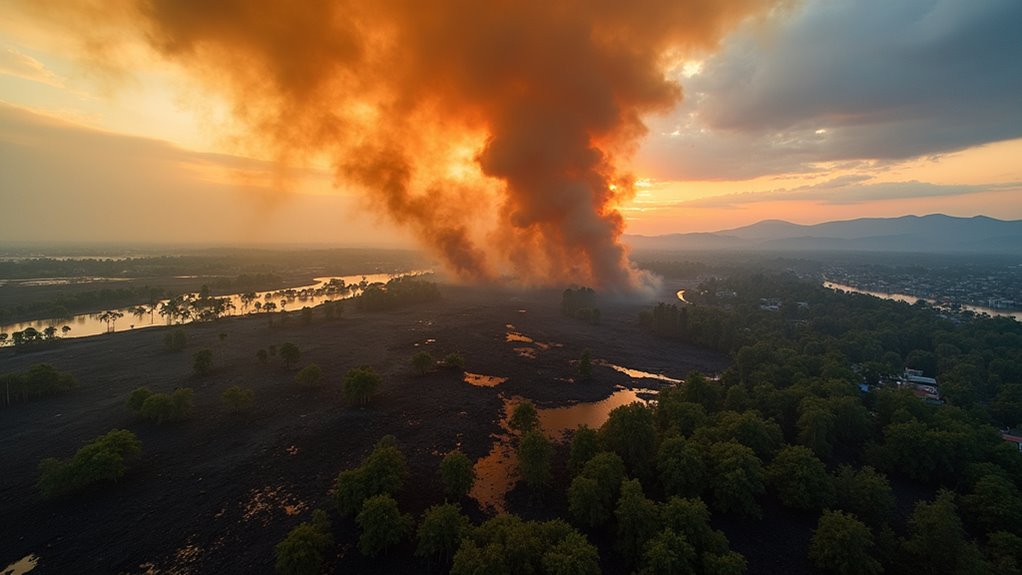
Climate insurance lawsuits are becoming a hot mess, and it’s only getting messier. Since 2020, global climate-related insured losses have consistently topped the staggering $100 billion mark each year, and projections for 2025 are looking even grimmer—think over $200 billion. Naturally, this surge in losses has led to a spike in disputes, especially as premiums rise and coverage becomes scarce in high-risk areas like California and Florida. Coverage and bad-faith lawsuits? Yeah, they’re on the rise.
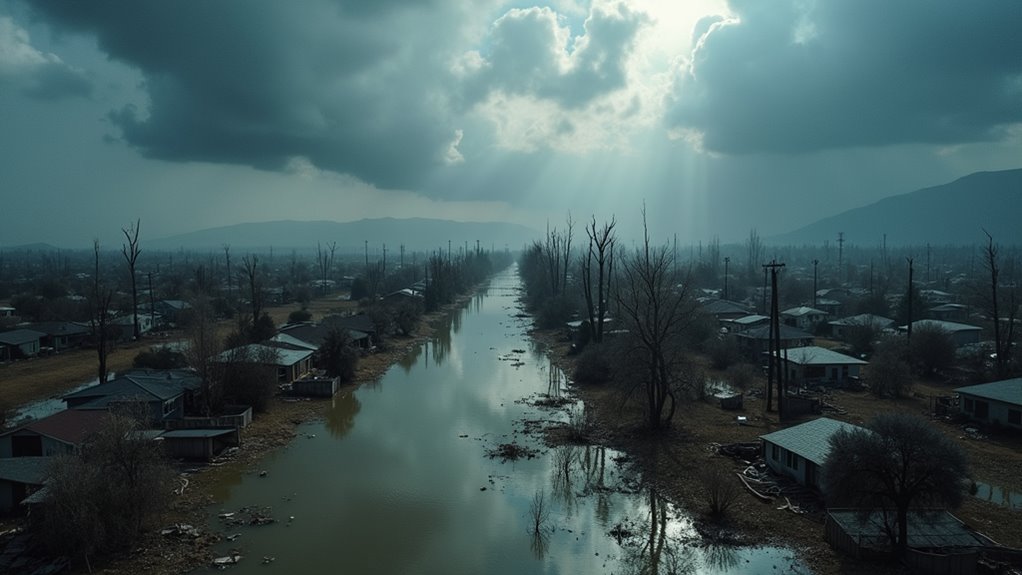
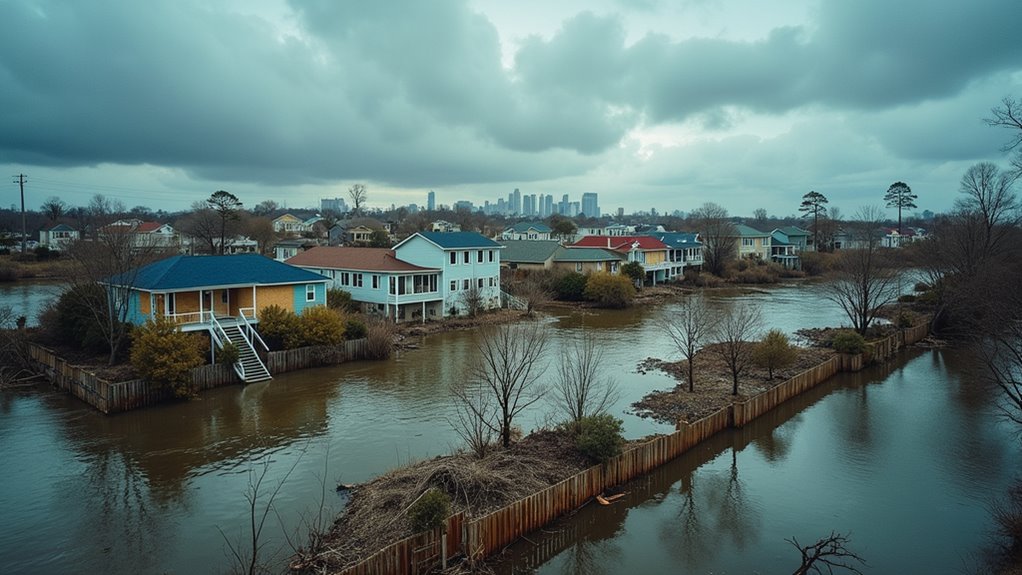
The reality is that extreme weather disasters are cranking up the volume on litigation. More and more people are turning to the courts, seeking justice from companies and governments they believe have failed to adapt. Insurers are getting dragged into this mess, fighting over indemnity and recovery. It’s a legal free-for-all, with claims about business interruptions and supply-chain disruptions linked directly to severe weather events becoming the norm.
Let’s not forget the legal theories at play here. Take pollution exclusions, for instance. They’re a hot topic, as shown in cases like *Aloha Petroleum Ltd v. National Union Fire Insurance Company of Pittsburgh et al*. The debate is fierce. Claimants are insisting that climate impacts fall within “all-risk” or property damage clauses, while insurers are clinging to exclusions for pollution and gradual deterioration. It’s a tug-of-war where both sides are digging in their heels.
Insurers are also getting called out for failing to price or disclose climate risk properly, which opens the floodgates for all sorts of allegations. This situation is further complicated by the global increase in climate change litigation, which has seen new cases emerging in regions like Asia and Africa. As the DOJ Battles States demonstrates, legal frameworks are evolving to address climate accountability and may influence insurance disputes in the future.
Insurers are under fire for not accurately pricing or disclosing climate risks, unleashing a torrent of legal challenges.
And this isn’t just happening in the good old U.S. of A. Asia and Africa are now joining the party, with new climate cases popping up in Singapore, the Philippines, and beyond. Who knew climate lawsuits could be so contagious? In Canada, about 10% of households face extreme flooding risks but lack adequate insurance. It’s a ticking time bomb of legal demands, folks.
With all this chaos, courts are becoming increasingly receptive to attribution science. This means they’re more willing to connect specific climate events to insured losses. So, storms and floods that were once considered random occurrences? They’re now being viewed as foreseeable—just another nail in the coffin for insurers trying to evade responsibility. The Medical Information Bureau now tracks insurance applications to prevent overinsurance fraud, adding another layer of scrutiny to how insurers assess risk across their portfolios.
As the climate crisis worsens, the legal landscape will only get more complex. Buckle up, because the ride is just beginning.