
Design Highlights
- Property values in high-risk climate zones could decline by $1.47 trillion in the U.S. by mid-century due to climate change impacts.
- Insurance premiums in vulnerable areas have surged, with projected nationwide hikes of 29.4% by 2055, making homeownership increasingly costly.
- Buyer demand is decreasing for homes in risky locations, as many view them as financial liabilities rather than investments.
- Migration patterns show 5.2 million Americans are expected to relocate by 2025, favoring less vulnerable northern and eastern regions.
- Lower-income homeowners are disproportionately affected by property value crashes, leading to financial strain and reliance on unstable home equity.
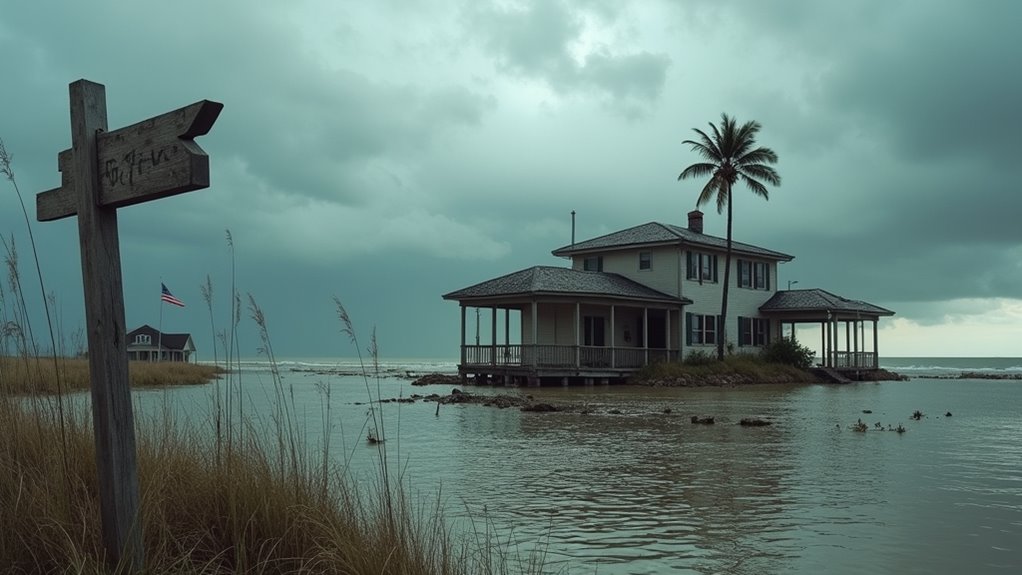
As climate change continues to wreak havoc, the real estate market is feeling the heat—literally and figuratively. Property values in high-risk climate zones are plummeting faster than a lead balloon. Coastal homes? Forget it. With rising sea levels and flooding becoming a regular feature, these properties are seeing significant devaluation.
Climate change is crashing property values in high-risk zones, leaving coastal homes and buyers in a state of despair.
Wildfire-prone areas aren’t faring any better. Homes that once seemed like solid investments are now viewed as ticking time bombs. Buyers are steering clear of these financial liabilities. It’s not just a trend; it’s a panic.
And then there’s insurance. Oh boy. Premiums in climate-vulnerable areas have doubled or tripled. That’s right—homeownership just got a lot more expensive. The dreaded “climate premium” is now a reality, adding to the already astronomical costs of owning a home. Who wants to pay more for a house that might wash away during the next big storm? In fact, a projected 29.4% hike in average nationwide insurance premiums by 2055 is set to exacerbate the situation.
Demand is dropping, and so are prices. A recent market shock in reinsurance knocked an average of $8,400 off home values. That’s a serious hit. The future looks even bleaker as insurance costs are expected to keep rising, dragging property valuations down with them. Geographic disparities are stark, with states like Arkansas and Alabama seeing average premiums exceeding $7,000 annually while California hovers around $1,350.
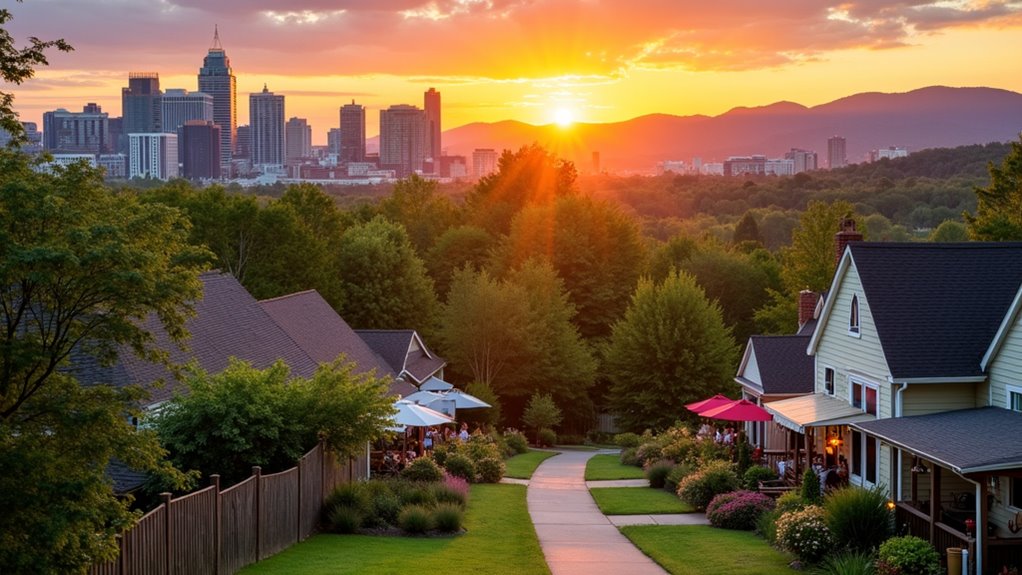
Then there’s the mass exodus. By 2025, about 5.2 million Americans are expected to relocate due to climate worries, with projections soaring past 55 million by 2055. Southern and western cities are seeing people pack their bags and leave, while climate havens in northern areas and parts of the East Coast are becoming attractive alternatives.
Meanwhile, northern areas and parts of the East Coast are becoming climate havens. Who would have thought geography would be the new real estate goldmine?
As the market adjusts, sellers often overprice homes, hoping for a miracle. Spoiler alert: it doesn’t work. Homes linger unsold, and buyers demand discounts. Coastal homes needed a price cut of about 6.7% just to attract interest back in 2019.
It’s a lagging game, and the market is slowly waking up to the harsh realities of climate risk.
The numbers are staggering. Research suggests a potential loss of around $1.47 trillion in U.S. property values because of climate-driven factors by mid-century.
Overvalued properties, especially in flood-prone areas, could see a range of losses between $121 billion and $520 billion. It’s not just the rich who are losing out; lower-income homeowners, reliant on home equity, are feeling the crunch too.
The real estate market is in crisis, and it’s only going to get worse. Buckle up.