
Design Highlights
- Chubb’s maritime reinsurance plan focuses on covering oil and LNG tankers meeting U.S. Government standards in the Strait of Hormuz.
- The initiative addresses rising shipping risks due to recent attacks on vessels near the Iranian coast.
- War risk premiums have surged, impacting shipping costs and influencing vessel routing decisions.
- Chubb’s comprehensive coverage includes environmental damage, offering vital support for shipowners amid operational risks.
- The plan aims to revitalize the maritime insurance market, but higher costs may deter some shipowners from entering conflict zones.
In a bold move to tackle the chaos of Gulf shipping risks, Chubb has rolled out a hefty $20 billion maritime reinsurance plan, partnered with the U.S. International Development Finance Corporation (DFC). This isn’t just another corporate initiative; it’s a public-private partnership designed to kickstart a fading market. The focus? War marine risk insurance for vessels traversing the perilous Strait of Hormuz. Yes, that same Strait that’s been a hotbed of maritime drama lately.
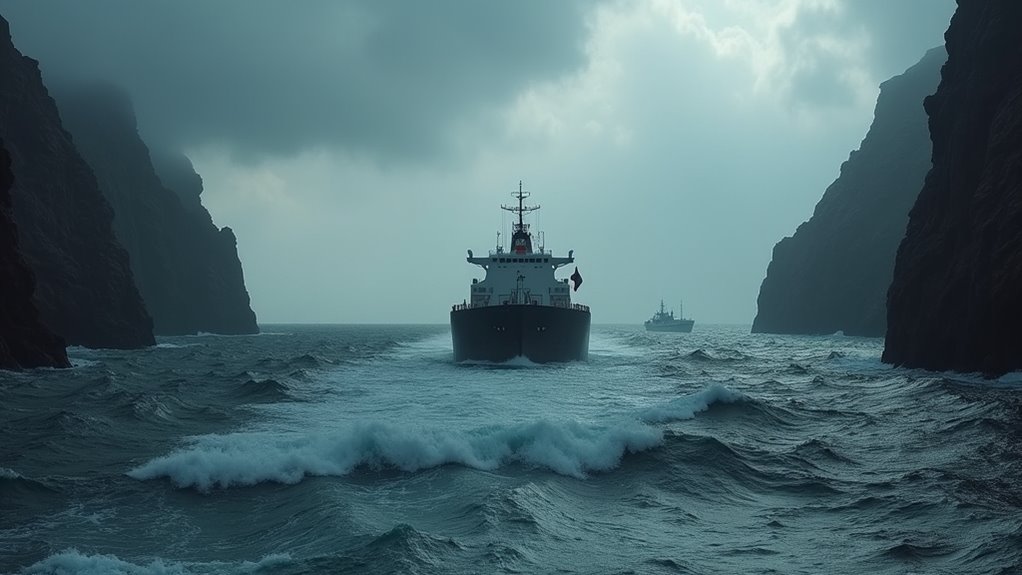
Chubb launches a $20 billion reinsurance plan to address Gulf shipping risks, focusing on war marine insurance in the perilous Strait of Hormuz.
The plan covers everything from ship hulls and machinery to the cargo being transported and even the environmental damage caused by oil spills. So, if your tanker gets hit by a projectile, you might just be covered. Chubb, as the lead underwriter, is taking charge of pricing and claims, while a consortium of American reinsurers joins the fray. Sounds reassuring, right? But let’s not get too cozy just yet.
The eligibility criteria for this coverage are as tight as a drum. Only vessels that meet U.S. Government standards can apply. So, if you’re thinking of sending your rusty old tanker through those waters, think again. This initiative specifically targets oil and LNG tankers, which are basically the lifeblood of energy exports. With recent attacks making headlines—three vessels struck near the Iranian coast—it’s no wonder most tankers are taking the long way around. Higher freight and fuel costs? Oh, you bet.
Chubb’s reinsurance plan is a vital lifeline. It aims to reduce shipping paralysis by lowering financial risks for owners. The facility developed by Chubb addresses the urgent need for maritime insurance against active conflict scenarios. War risk premiums have skyrocketed in the Persian Gulf, and let’s face it: nobody wants to pay through the nose for insurance while dodging missiles. The U.S. Navy might even have to step in for protection if Iran decides to play hardball again. Coverage includes environmental damages such as oil spills, further emphasizing the comprehensive nature of this initiative.
But let’s be clear. This isn’t a magic fix. High catastrophe risks loom large. A sinking supertanker could lead to billion-dollar losses. State-backed reinsurance means limited profit margins and less flexibility in pricing. The operational risks are no joke, confirmed by UK Maritime Trade Operations. Much like umbrella insurance coverage, this plan acts as a financial safety net for businesses facing catastrophic losses that exceed the limits of their standard policies.