Design Highlights
- Nursing homes cannot directly garnish Social Security benefits for unpaid care due to federal protections.
- Social Security retirement, SSDI, and SSI benefits are generally shielded from collection by private creditors.
- Legal actions can be pursued by nursing homes, but they cannot directly seize Social Security checks.
- If voluntarily used, Social Security benefits can be redirected to pay nursing home costs.
- Medicaid reliance may reduce SSI payments, but does not allow nursing homes to garnish benefits directly.
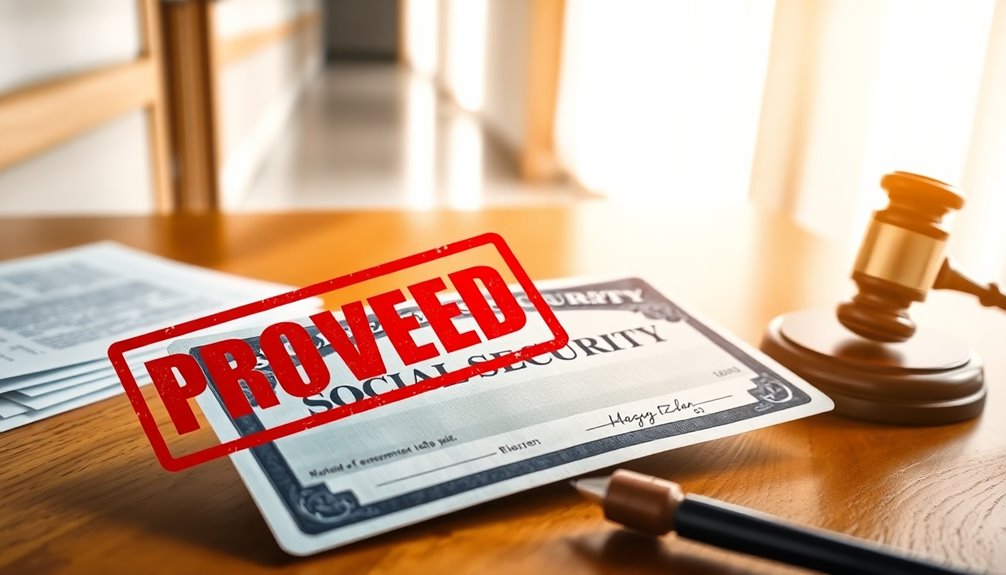
Can a nursing home really dip into your Social Security? The short answer is no. Federal law is on the side of the elderly, and it protects Social Security benefits from most private creditors, including nursing homes. So, if you’re lying awake at night worrying about a nursing home swooping in and grabbing your Social Security check, you can breathe a sigh of relief. They can’t garnish it for unpaid bills. That’s right—your hard-earned benefits are mostly safe from the clutches of debt collectors.
Nursing homes can’t touch your Social Security check; federal law protects your benefits from most creditors. Breathe easy!
But don’t start celebrating just yet. Just because nursing homes can’t directly take your Social Security doesn’t mean they can’t get their money in other ways. They can still chase down unpaid bills through lawsuits or judgments. That’s a different kettle of fish, though. It’s like saying you can’t rob a bank but can still ask nicely for a loan—with a lot of pressure, of course.
Federal protection is a big deal. Social Security retirement, SSDI, and SSI benefits are generally shielded from collection efforts. The Nursing Home Reform Act also prevents facilities from making family members or third parties pay as a condition for staying in the nursing home. So, no sneaky loopholes there. Certain federal debts can lead to benefit reductions, but nursing home debts typically do not qualify. Additionally, it’s important to note that SSI payments are reduced to $30/month if Medicaid pays for a nursing home stay of 90+ days.
Now, let’s be clear. If you decide to use your Social Security benefits for nursing home costs, then that’s another story. If the nursing home is your representative payee or if you’ve redirected benefits properly, they can receive those payments directly. And let’s not forget about Medicaid. If you’re relying on that, your SSI may shrink down to a measly $30 a month. Surprise!
Here’s where things get tricky. Even though nursing homes can’t touch your Social Security directly, unpaid bills can still result in collection activities. They can come after you with lawsuits and judgments, but they’re just not allowed to seize that precious Social Security check. Financial hardship doesn’t wipe away debt; it just limits how creditors can collect. For broader financial protection, seniors should also consider that renters insurance liability coverage typically starts at $100,000 per claim and can shield against unexpected legal expenses.
Bottom line? Private nursing homes generally can’t garnish your Social Security for unpaid care. But beware—their methods may be indirect, and the pressure can be relentless. So, keep your eyes open and your wallet guarded. It’s a tough world out there, even when you’re protected.