Design Highlights
- A California regulator criticized the presidential order aimed at wildfire recovery, calling it inadequate for addressing the state’s rebuilding challenges.
- The order has been met with resistance due to bureaucratic inefficiencies hindering timely assistance for displaced residents.
- State officials argue that insufficient federal funding is the core issue, not the recovery order itself, complicating the rebuilding efforts.
- There are currently thousands of permits under review, emphasizing the slow pace of recovery despite federal efforts.
- Critics, including local leaders, continue to call for more direct federal support to address the ongoing disaster recovery needs.
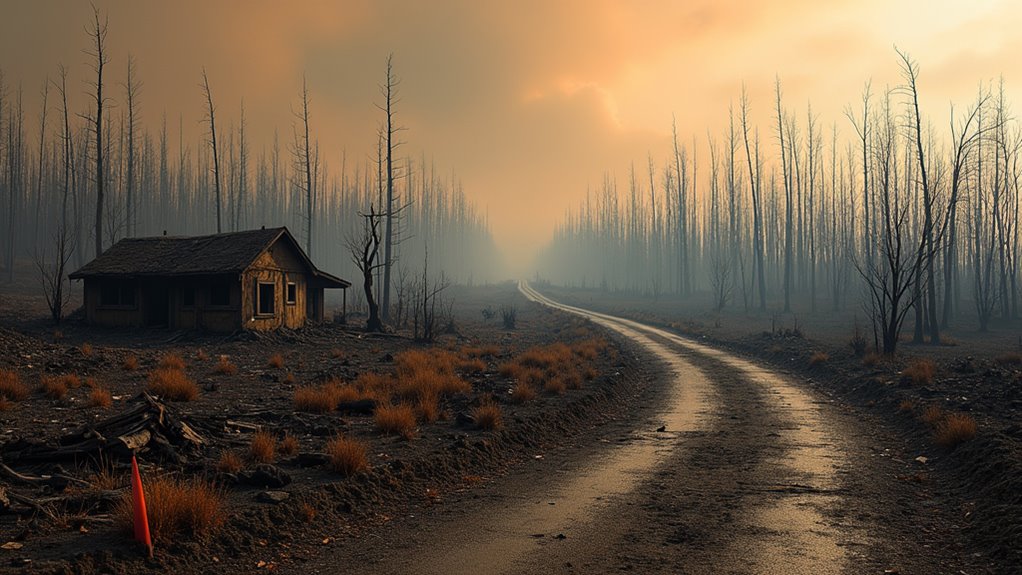
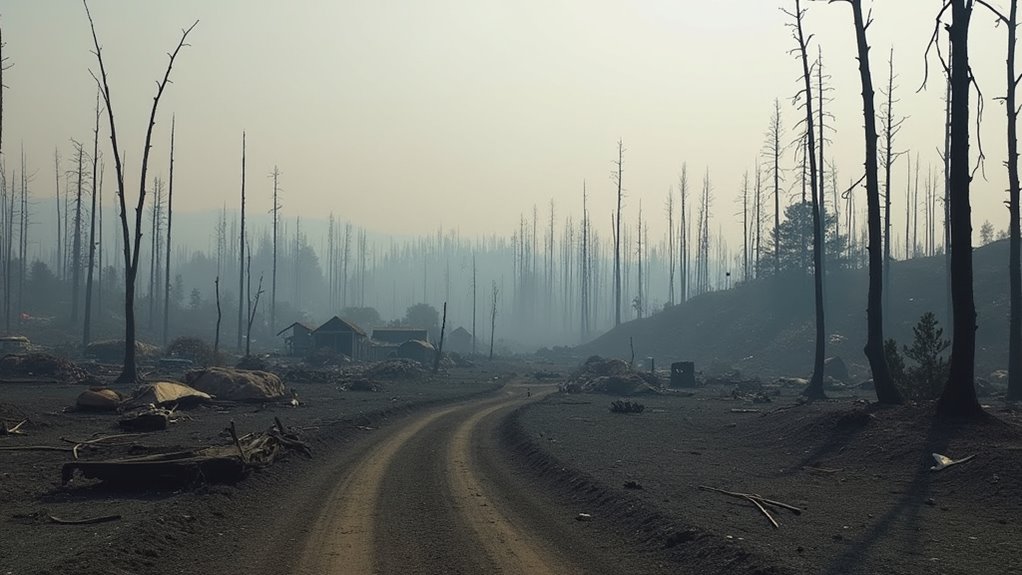
The wildfire devastation was no joke. Nearly 40,000 acres were scorched in 2025, with 6,500 homes wiped off the map in L.A. County. And guess how many have been rebuilt? Just eight. Yes, you read that right. Eight homes.
Nearly 40,000 acres burned, 6,500 homes lost, and only eight rebuilt—California’s wildfire aftermath is a staggering disaster.
One year later, people are still displaced, while businesses and even houses of worship remain in ruins. Local officials have dubbed this catastrophe the most expensive disaster in U.S. history. Yet, instead of addressing the dire situation, the federal government is pointing fingers at state leaders, labeling their failure as the “greatest failure in American history.” Ouch.
Critics of California’s response are relentless. They accuse Governor Newsom and Mayor Bass of abject failure when it comes to managing the fires and the rebuild. They claim bureaucratic red tape is dragging down recovery efforts, leaving families in limbo.
Meanwhile, billions in federal dollars sit unspent, like a bad joke waiting to be told.
On the flip side, state officials have their own story. They argue the real issue is the lack of federal funding, not the speed of permitting. Newsom’s office is practically begging for the release of withheld disaster aid. 2,587 permits remain under review in the rebuilding process, which adds to the frustration of those affected. In fact, approximately 3,000 rebuilding permits issued in the city and county since the fires highlight the ongoing struggle for residents.
It’s a tug-of-war, with the California Congressional delegation pushing for federal funds while the President blocks a hefty $34 billion disaster relief request. L.A. City Councilwoman Traci Park adds her voice to the mix, calling for federal support to fix the insurance gaps that have left residents high and dry. Many residents discovered too late that their standard renters insurance policies did not cover damage from the catastrophic events, leaving them without financial protection for their losses.
In response to the chaos, the President has taken swift action. He prioritized water routing to Southern California and even visited the area to inspect the damage.
The SBA has rolled out a whopping $3.2 billion in disaster relief funds, now accessible via a bypass. But amid all the noise, the question remains: will this executive order actually help those who need it most? Or is it just another round in the never-ending game of bureaucratic ping-pong?