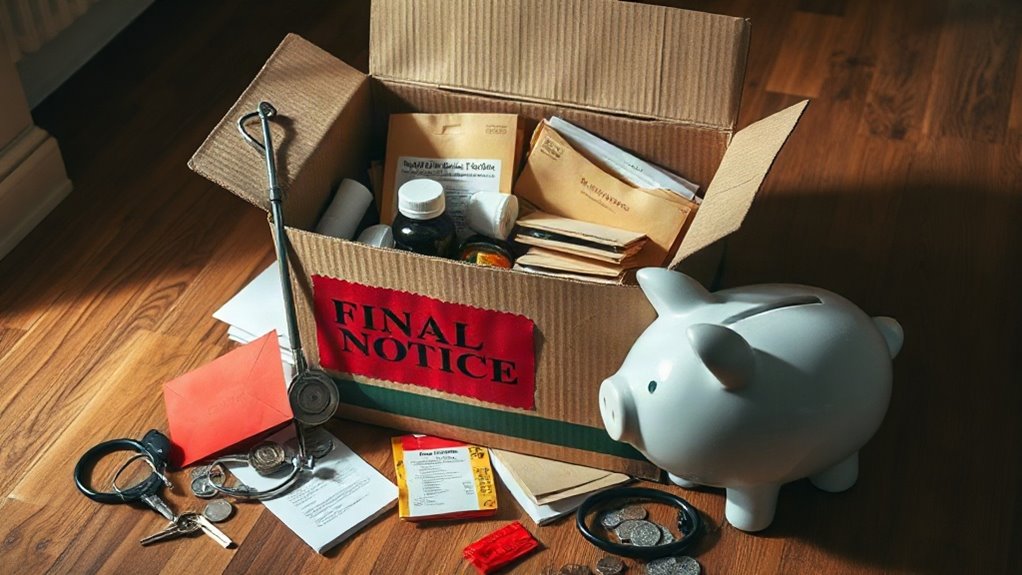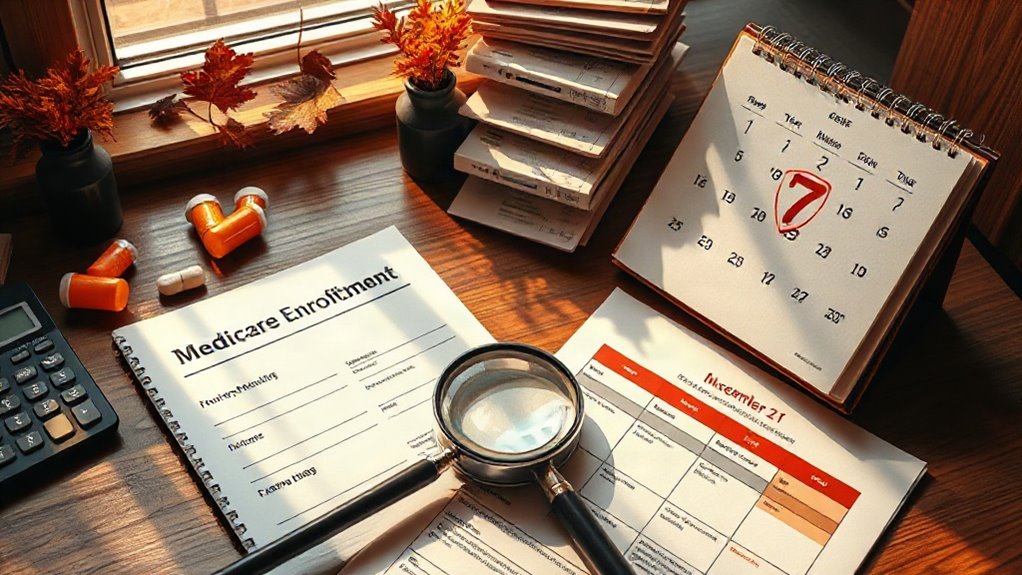

The government’s plan to cut private health insurance rebates for seniors is about to throw many older Australians into a financial tailspin. A flat rate based on income replaces the existing rebate, meaning a potential average premium hike of $250 a year for 2.6 million seniors. Ouch! Many may ditch their insurance, facing skyrocketing costs they can’t afford. Critics say it’s a recipe for disaster. Curious about how this really plays out? There’s more to the story.
Design Highlights
- The proposed cut to private health insurance rebates will replace existing benefits for seniors with a flat rate based on income.
- Approximately 2.6 million seniors will be affected, facing average premium hikes of around $250 annually.
- Financial strain may lead 44,000 seniors to drop private health insurance, with 34% likely to downgrade or cancel coverage.
- The government anticipates $11 billion in savings, raising concerns about the potential for a healthcare crisis among vulnerable seniors.
- Calls for reform in aged care funding highlight the need for equitable resource distribution and improved access to necessary care for older Australians.
Key Changes to Senior Health Rebates and Their Implications
The government is gearing up to shake things up for seniors with private health insurance. Starting April 1, 2027, older Australians can kiss their higher rebates goodbye. That’s right; the age-based premium boost is being axed. Instead, it’ll be a flat rate based solely on income. So much for recognizing that older folks often pay more for coverage! The current rebate of 28.139% for those aged 65–69? Down the drain. An estimated 2.6 million seniors will be affected by this change. As a result, 62,000 older Australians may cease insurance altogether. Expect an average premium hike of about $250 a year. Not a huge deal, right? Just a bit of extra cash for fixed-income retirees. Critics say this hits older Aussies hard, while supporters argue it’s about fairness. Fairness? Sure, if you’re into that sort of thing. Those who do drop their coverage should note that re-enrolling later may trigger waiting periods, as coverage start times vary depending on the type of insurance and when enrollment occurs.
How Changes Affect Older Australians’ Health Insurance?
Changes to health insurance for older Australians are set to hit hard. From April 2027, those aged 65 and up will lose their higher rebates. Instead, everyone gets the same rate, regardless of age.
So, goodbye extra support for seniors. Great news, right?
Older Australians will see premiums rise by 4% to 8%. That means an extra $226 to $255 a year, or even more—$358 for those over 70. Yikes!
Older Australians face premium hikes of 4% to 8%, costing up to $358 more annually.
Around 44,000 seniors might toss their private cover altogether. Not surprising, given the rising costs. Research shows that 34% of Australians aged 65+ may downgrade or cancel their private health cover due to these changes.
Those on fixed incomes? They’ll feel the pinch the most. This change is expected to result in $11 billion savings for the government, but at what cost to the health of our seniors? Globally, the financial strain on older adults is well-documented, with nearly one in ten seniors living below the poverty line and relying solely on fixed payments like Social Security to cover rising healthcare costs.
This isn’t just a change; it’s a potential health care crisis waiting to happen.
When will someone stop messing with the vulnerable?
Stakeholder Perspectives on Health Rebates and Aged Care Funding
While many stakeholders are scratching their heads over the current state of aged care funding, it’s clear that opinions are as varied as the people holding them.
The federal government remains the primary funder—surprise, surprise! But everyone agrees that the current setup is a mess and needs reform.
Transparency, efficiency, and equity? Sure, but who’s really paying? Consumers with deeper pockets are expected to chip in, while means testing is supposed to protect those in need.
Curiously, most Australians want the government to step up its funding game, not just shrug and say, “Good luck!” In fact, the latest budget includes a total funding allocation of $2.2 billion for aged care, highlighting the urgency for reform.
Providers are pushing for more cash to improve care, but will it ever be evenly distributed? Aged care funding is a pressing issue, and the debate rages on, and it’s about time. Older adults on fixed incomes remain particularly vulnerable, as routine care costs such as dental and diagnostic fees can quietly accumulate into significant and unmanageable debt.