
America is turning homes into senior care systems, whether folks like it or not. A whopping 93% of older adults want to stay home, yet only 10% of those homes are ready for it. Talk about a recipe for disaster. Caregivers are getting slammed—26 hours a week! Stress, burnout, and financial strain are the new norms. And tech? It’s stepping in, but are sensors really the answer? Stick around to see how this is all unfolding.
Design Highlights
- The majority of seniors prefer to age in their own homes, creating a demand for home modifications and support systems.
- Smart technology and AI are increasingly integrated into homes to monitor health and enhance safety for aging residents.
- Family caregivers play a crucial role, often spending significant time and effort managing care for their older relatives.
- Many homes lack essential accessibility features, highlighting the urgent need for modifications to support aging in place.
- Telehealth services and emergency response systems are becoming vital components of home care, ensuring seniors receive timely medical assistance.
The Shift Toward Aging in Place: Why Home Is the New Care Model
Aging in place has become the new mantra for America’s seniors, and it’s not just a catchy phrase—it’s a reality. A staggering 93% of adults 65 and older live in their own homes. They’re not just cozying up; 75% want to stay put as they age. Home sweet home, right?
Aging in place is the new norm for seniors, with 93% preferring to stay in their own homes.
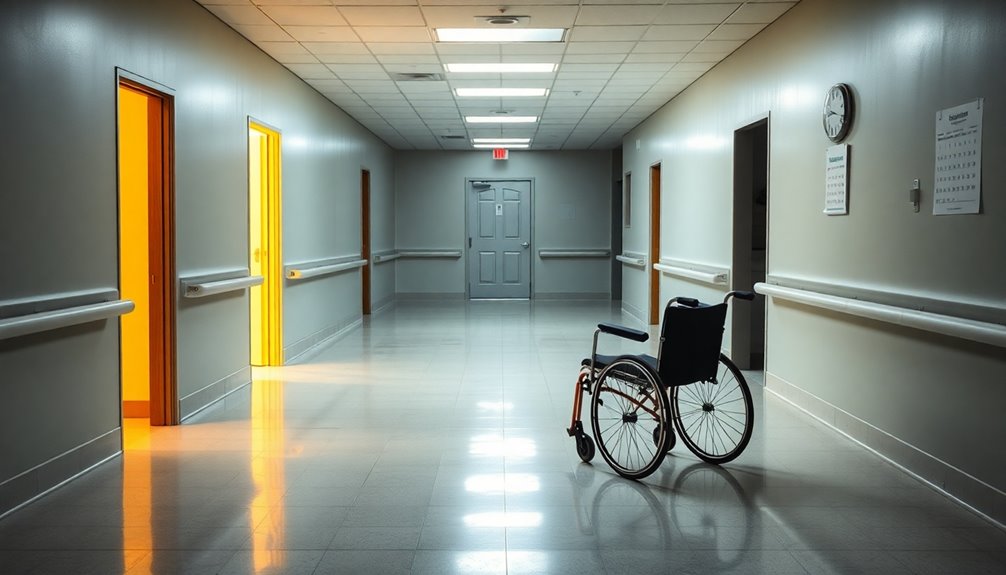
But hold up—only 10% of U.S. homes are actually ready for aging. That’s right, most homes lack basic accessibility features.
And let’s be real, health issues and isolation are a big deal. With 14.7 million seniors living alone, independence isn’t just a wish; it’s a necessity. Accessibility and safety features in homes are crucial for older adults to ensure they can age in place comfortably. Furthermore, despite the strong preference for aging in place, 44% believe a move is inevitable, highlighting the challenges many face in achieving their desires.
Thankfully, smart tech and in-home care are stepping in. Nearly 70% of people 65 and older will need long-term care services at some point in their lives, making the push to prepare homes for aging a matter of urgency, not just preference. If only homes matched the desire to age in place!
Family Caregivers: Roles and Challenges
Family caregivers are the unsung heroes of the senior care landscape. They juggle errands, housework, and transportation—basically becoming the Swiss Army knives of family support.
With over 40 million caregivers in the U.S., many spend an average of 26 hours a week on these duties. That’s a part-time job without pay.
And guess what? Nearly half support high-need older adults, which is no walk in the park. The emotional and physical toll? Significant. Stress, anxiety, and burnout are common companions. Financial strain, too. Lost work hours? Check.
It’s no surprise that many caregivers feel overwhelmed, caught in a whirlwind of responsibilities. They are essential, yet often left to navigate this chaotic system alone. Adding to that burden, seniors caring for grandchildren face even greater pressure, as this responsibility is directly linked to heightened food insecurity among seniors already stretched thin by rising rent and medical expenses.
How Technology Is Shaping Home Care for Seniors?
Home care for seniors is getting a serious makeover, thanks to technology. Forget the days of constant in-person supervision.
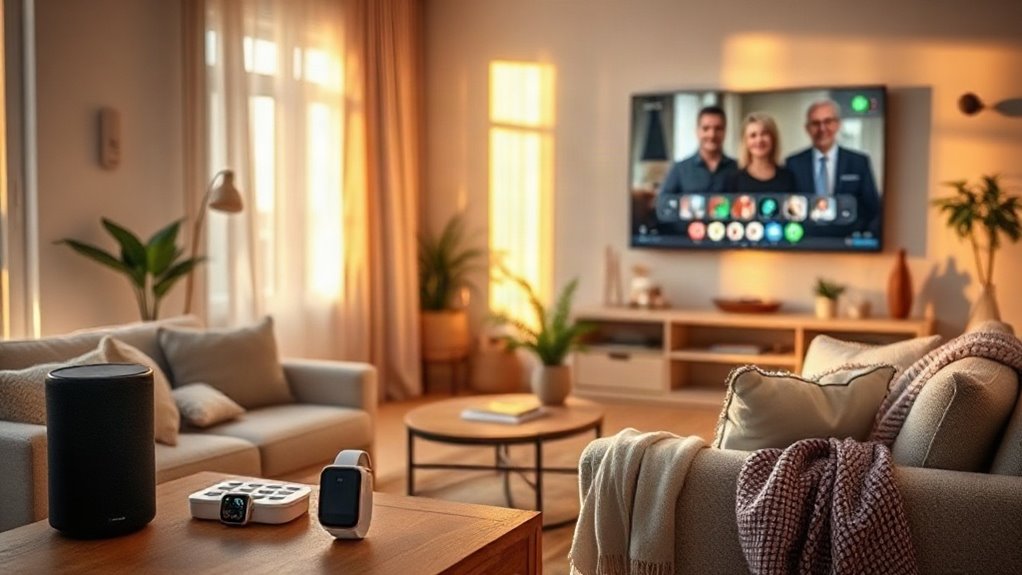
Now, smart homes use sensors and AI to keep tabs on health and safety. Motion detectors and environmental sensors? They’re the new watchdogs. They can signal if something’s off—like, say, a fall. Emergency response systems, like smart watches with fall detection, play a crucial role in ensuring timely assistance. Additionally, advanced sensor technologies allow for ongoing assessment of well-being, enhancing the ability to detect potential health issues early.
Telehealth is also a game-changer, allowing seniors to consult doctors without stepping outside. Who needs to battle traffic when you can do it from your couch? Despite its convenience, telehealth adoption among seniors currently stands at only 49%, revealing significant room for growth.
Plus, smart devices remind folks to take their meds. No more missed doses!
The blend of safety, convenience, and independence means seniors can age in place, without turning their homes into a nursing facility. It’s about time, right?