Design Highlights
- Less than 15% of homes have received rebuilding permits, with only 2,600 processed against 16,000 destroyed structures in Los Angeles County.
- Labor shortages and rising construction costs hinder the rebuilding efforts, exacerbating the financial strain on survivors.
- Over 200,000 residents remain displaced one year after the wildfires, with many in temporary or unstable housing conditions.
- Bureaucratic delays in the permitting process and concerns over water supply further complicate recovery efforts for affected communities.
- High demand for mental health services reflects the emotional toll on survivors, with over 185,000 counseling sessions provided since the fires.
As California grapples with the aftermath of devastating wildfires, the recovery process resembles a slow crawl through molasses. It’s now January 2026, and less than 15% of the homes destroyed have even received the necessary rebuilding permits. Yes, you read that right. Just 15%. In Altadena, L.A. County has issued permits for less than one-fifth of the homes that were lost.
California’s wildfire recovery is painfully slow, with only 15% of destroyed homes receiving rebuilding permits as of January 2026.
When you look at Los Angeles City and County as a whole, around 2,600 permits have been issued, while 16,000 structures lay in ruins. Seems like a bit of a disconnect there, doesn’t it?
The pace of progress might be picking up—local governments are issuing permits nearly three times faster than before the fires—but that’s not saying much when the landscape is still dotted with ashes and debris.
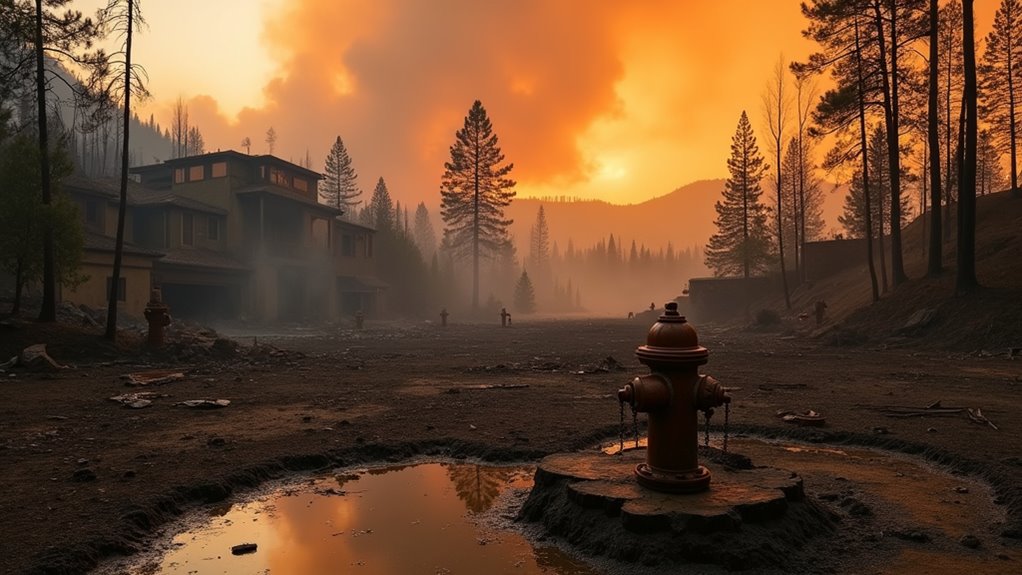
And let’s talk about labor shortages. Altadena residents are waiting in limbo as their reconstruction efforts are stymied by a lack of workers. Rising construction costs aren’t helping either. Survivors are left grappling with budgets that barely stretch to cover the essentials. Concerns over water supply issues, particularly with hydrants going dry during emergencies, have further complicated the rebuilding process.
Add bureaucratic delays into the mix, and you’ve got a recipe for frustration.
On the financial side, California allocated over $2.5 billion for response and recovery. That’s a lot of cash, but it doesn’t seem to be translating into tangible results on the ground.
Sure, $4 million is aimed at speeding up the permitting process, but is it working? The Small Business Administration approved over $3.2 billion in funding for Los Angeles County, so there’s money flowing, but it feels painfully slow.
In the meantime, over 200,000 residents are displaced. Seven in ten survivors haven’t returned home a full year after the fires. Many are stuck in unstable or temporary housing.
The Red Cross has been busy, providing nearly 21,000 shelter placements. It’s overwhelming and disheartening.
Cleanup efforts have seen some success. More than 2.5 million tons of debris have been removed. That’s equivalent to 92 Statues of Liberty, if you like visual comparisons.
But while the ash and rubble are being cleared, the scars remain—both on the land and in the hearts of those impacted. Mental health services are desperately needed, with over 185,000 counseling sessions delivered to wildfire survivors. The state’s commitment to recovery includes significant investments in mental health support.]
Yet, the painful reality is this: recovery is still painfully stalled, and the hope for a brighter tomorrow feels distant for many.