The next generation of senior living? It won’t resemble the stuffy communities of today. We’re talking about homes designed for real living, not just existing. With one-fifth of Americans expected to be seniors by 2030, many prefer homeownership, but find it burdensome. Technology is here to save the day—smart sensors, telehealth, you name it. And let’s be real, who wants bland meals in a sterile environment? Stick around to discover how this all shapes future living arrangements.
Design Highlights
- Demographic shifts show a growing senior population seeking homeownership options that better suit their needs and preferences.
- Evolving housing models prioritize cohabitation and multi-generational living, fostering supportive environments over traditional nursing homes.
- Technology integration enhances resident safety, operational efficiency, and access to healthcare through smart monitoring and telehealth solutions.
- Financial transparency and digital tools empower families to make informed decisions about long-term care options and navigate associated risks.
- The focus on hospitality and wellness promotes person-centered care, creating welcoming environments with engaging programs and attentive staff.
How Aging Populations Are Changing Senior Living?
How are aging populations reshaping senior living? It’s simple: they’re driving a massive shift. By 2030, one-fifth of Americans will be 65 or older. That’s a lot of folks demanding suitable homes. Homeownership? Yeah, 79% of seniors prefer it, but here’s the kicker—over 10 million are stuck paying way too much for it. It’s a financial mess. And let’s not forget health—most older adults aren’t exactly spry. Chronic conditions are common, making living alone a challenge for millions. Additionally, older adults are more likely to live in larger homes than needed, which complicates their ability to manage costs and maintain safety. Cohousing and multi-generational living can also provide a supportive environment, helping to mitigate isolation and support aging individuals. So, what’s next?
Higher-acuity settings are on the rise. Traditional nursing homes? They’re declining. Senior living is evolving, adapting to the reality that aging isn’t just about being old; it’s about needing more, and sometimes, just wanting a place to call home.
The Role of Technology in Modern Senior Living
Aging populations are not just changing the landscape of senior living; they’re demanding a tech revolution. Smart monitoring systems? Yes, please. They spot falls before they happen—like a guardian angel with sensors. AI is swooping in too, making operations smoother and saving staff from drowning in paperwork. Who doesn’t want that? Telehealth is a game-changer, letting seniors chat with doctors without the hassle of travel. High-speed Wi-Fi? Essential. No one wants to miss that family video call. Moreover, technology is increasingly being used to augment the senior living workforce, addressing staffing shortages while enhancing resident experiences. This shift is supported by data integration and clinical connectivity, enabling caregivers to access real-time information about resident needs effortlessly.
But let’s be real—integrating all this tech is like herding cats. Cost, training, and system compatibility are hurdles. Still, as the industry accelerates, it’s clear: tech isn’t just helpful; it’s becoming the backbone of modern senior living. Beyond operational efficiency, technology is also helping families better navigate long-term care risks, which are frequently underestimated until a health crisis forces the conversation.
Integrating Hospitality and Wellness in Senior Living Care
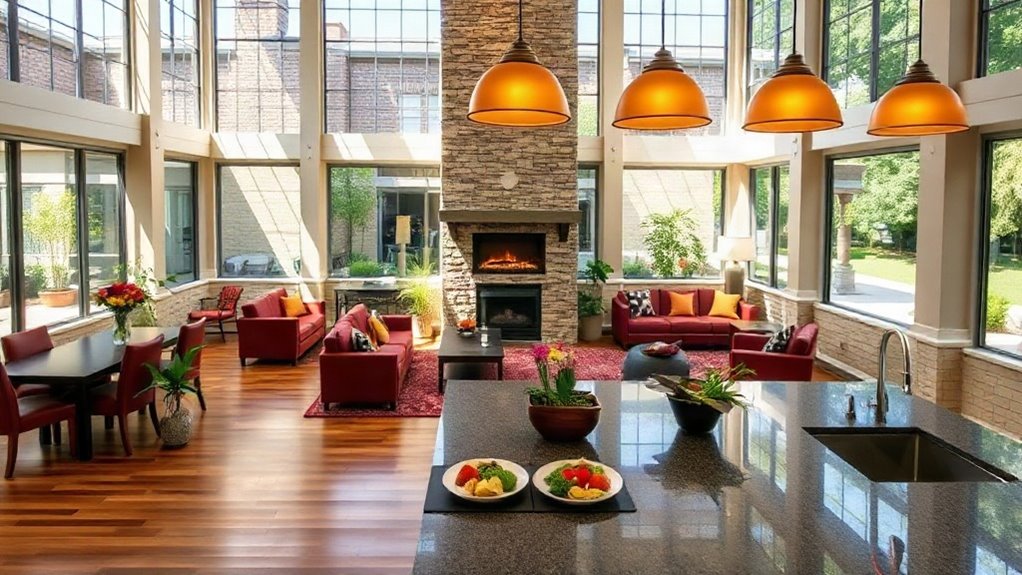
Is it really possible to blend hospitality and wellness in senior living? Absolutely. Today’s senior living communities are ditching that stale, institutional vibe. Think welcoming environments, not cold hallways. They’re designed with natural light, walkable paths, and comfy communal spaces. And dining? Forget cafeteria food; it’s all about chef-driven menus that cater to health—because who said seniors can’t enjoy a good meal?
Wellness isn’t just a buzzword; it’s a core service. Residents engage in holistic programs that focus on physical and mental health. The highest-value human interaction involves attentive, empathetic employees creating a delightful resident experience. Leisure Care’s focus on fulfilling opportunities ensures that social activities are key, too—happy hours, art classes, and intergenerational fun. It’s a lifestyle, not just care. Person-centered care means residents get what they want, when they want it. As communities expand their offerings, digital distribution tools are also reshaping how families research, compare, and select senior living options with greater ease and confidence. Who knew senior living could be this appealing?