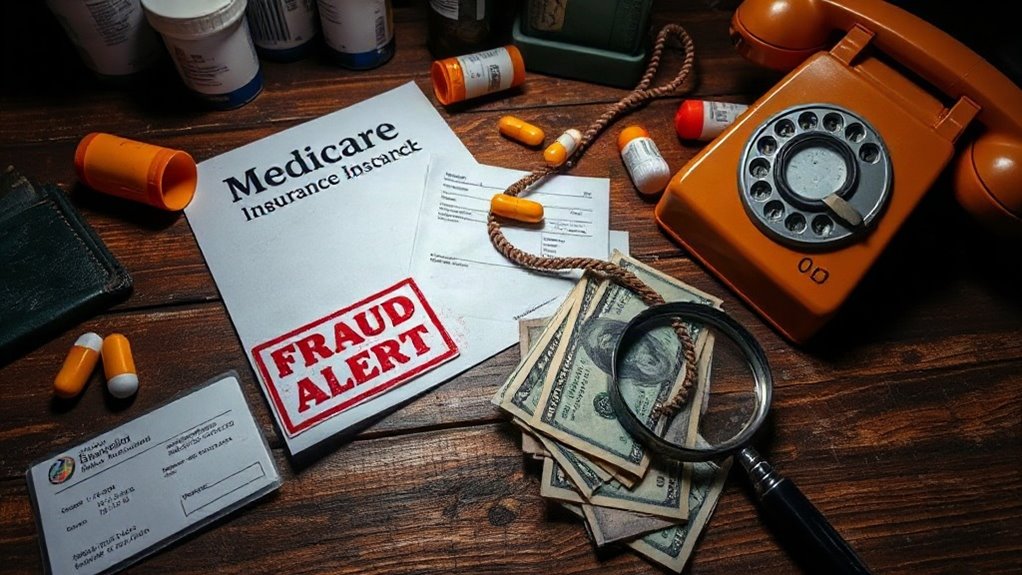

Open enrollment is prime time for scam artists. They’ll call out of the blue, promising the moon. Remember, if it sounds too good to be true, it probably is. High-pressure tactics? Run. Gift card payments? Major red flag. Stick to official channels like HealthCare.gov or face the wolves. Legit helpers don’t demand cash or use threats. Feel something’s off? Trust your gut. Want to dodge the next trap? Keep going; there’s more to know.
Design Highlights
- Be cautious of unsolicited calls; legitimate representatives do not contact you out of the blue about enrollment.
- Avoid high-pressure tactics and rushed decisions; take your time to review offers carefully.
- Never provide payment information via gift cards or cash; this is a common scam tactic.
- Stick to official sites like HealthCare.gov for enrollment and verify all offers before sharing personal details.
- Report any suspicious activity immediately to protect yourself and others from scams.
How to Spot Health Insurance Scams
How can someone tell the difference between a legitimate health insurance offer and a scam? First off, if a so-called government representative calls you out of the blue, hang up—it’s probably a scam. Real officials don’t ask for your Social Security number or bank details. Next, beware of high-pressure tactics. If someone’s pushing you to enroll right now or claiming a “limited time offer,” it’s a red flag. And let’s talk payment methods: if they want gift cards or cash, run! Legitimate plans provide clear details in writing. If the offer sounds too good to be true, it likely is. Remember, requests for sensitive personal information are a common tactic used by scammers. Don’t let vague answers or flashy ads fool you. Additionally, be cautious of offers that mislead about coverage, as many scams promise comprehensive health insurance that may not exist. This is especially important for seniors who rely on specific plans to cover medical equipment, medications, and age-specific health needs that fraudulent policies often fail to address. Stay sharp, or you might end up regretting it.
Steps to Protect Your Coverage
In a world where health coverage can feel like a maze of confusion, what steps can someone take to protect their insurance? First off, stick to official enrollment channels. HealthCare.gov is your friend, not some sketchy third-party site asking for cash. Seriously, don’t pay with gift cards or crypto. That’s a red flag. Always demand written details about any plan before you even think of handing over payment info. And hey, if a doctor’s office doesn’t know your new plan, that’s a big nope. Keep records like they’re your lifeline. Write down names, numbers, and emails of anyone who helps. If something feels off, report impersonation fast. Always remember that any offer lacking transparent policy information is a huge warning sign. Protecting your health coverage shouldn’t be a second job, but it might feel like one.
Verifying Legitimate Enrollment Assistance
Finding your way through the world of health insurance can feel like trying to find a needle in a haystack—especially during open enrollment. Legitimate help exists, thankfully. HealthCare.gov offers free, trained assisters. The Marketplace Call Center? They’ll answer questions without trying to sell you a thing. But beware! Scammers lurk. If someone calls claiming to be from the government, hang up. They don’t sell plans or ask for personal info. Requests for payment? Huge red flag. And if they’re pressuring you? Run. Always check local help directories to verify your helper. Legitimate enrollment assisters will never ask for money or threaten you. If in doubt, call the official numbers. Starting November 1, apply for 2027 coverage to ensure you’re on the right track. Trust your gut. Better safe than sorry in this maze of confusion. Keep in mind that employer health coverage costs are projected to exceed $16,000 per employee annually in 2025, making it even more critical to secure legitimate, accurate enrollment assistance.