
Seniors often overlook glaring Medicare fraud red flags, like unsolicited calls asking for sensitive info or “free” medical gear that’s anything but generous. They ignore strange bills for services they don’t remember and get swept up in urgency from scammers. Remember, if something sounds too good to be true, it probably is. With the CMS blocking billions in payments, vigilance is key. Stick around to uncover more of these fraud signs and safeguard yourself.
Design Highlights
- Seniors often overlook unsolicited calls requesting Medicare numbers, which are major red flags for scams.
- Claims of “free” medical supplies frequently aim to capture Medicare information for fraudulent billing.
- Increased billing for services not received, known as ghost billing, is a common fraud tactic.
- Pressure tactics, such as urgent requests for personal information, signal potential scams targeting vulnerable seniors.
- Review Medicare Summary Notices regularly to identify duplicate claims and discrepancies in billed services.
What Are the Warning Signs of Medicare Fraud?
Identity theft? That’s a whole other nightmare. Bills from strangers? Yup, that’s a red flag. If you see familiar names but can’t recall the service, you’d better investigate. Scammers frequently ramp up activity during Medicare open enrollment between October 15 and December 7, targeting beneficiaries who are actively making plan decisions. And those “too good to be true” offers? Let’s just say they usually are. Remember, if it feels off, it probably is. Stay sharp; fraudsters love complacency. Additionally, be wary of probationary prior authorization requirements for certain DMEPOS items starting October 15, 2026, as they indicate increased scrutiny on suppliers. Always be cautious of Medicare scams that involve promises of free items in exchange for your Medicare number.
How Unsolicited Contacts Signal Fraud Risks
How can someone tell if that unexpected call claiming to be from Medicare is legit? Spoiler alert: it probably isn’t. CMS doesn’t call people asking for Medicare numbers—so if that happens, hang up, like, immediately.
Here are some major red flags:
- Calls asking for personal info? Huge warning sign.
- Caller ID showing “Medicare”? Yeah, that can be faked.
- Any pressure to act fast? They’re likely up to no good.
And unsolicited texts or doorstep visits? Forget it. Legitimate agents don’t show up at your door uninvited. Additionally, be aware that legitimate plans will not ask for payment over the telephone or the Internet. Protecting your Medicare card and number is crucial in avoiding scams.
If someone’s demanding your Medicare info or banking details, treat them like the scam artist they are. Don’t fall for it! The Senior Medicare Patrol offers a dedicated helpline where you can report suspicious activity if you’ve accidentally shared personal information with an unknown contact.
Recognizing Too-Good-to-Be-True Medical Offers
Every senior has heard that old adage: if it sounds too good to be true, it probably is.
“Free” braces, wheelchairs, and diabetes supplies? Yeah, right.
These offers often hide a darker truth—capturing Medicare info for fraudulent billing.
If someone’s pushing “free” gear, they’re likely after your Medicare number.
Unsolicited deliveries? Big red flag.
Accepting items you didn’t order? That’s just asking for trouble.
And don’t buy into claims that Medicare automatically approves items.
Just because someone says it’s covered doesn’t make it legit.
Brace scams and diabetes supplies are favorites for a reason—they’re easy to sell.
Scammers often use spoofing technology to disguise their caller ID and appear as a trusted medical provider or government agency.
In fact, Medicare loses an estimated $60 billion each year due to fraud and scams, which highlights the urgent need to be vigilant. Always remember to hang up immediately when receiving a call offering a free brace billed to Medicare.
So, when you hear “free,” it’s time to raise an eyebrow, not your hopes.
Stay alert, stay smart.
How Urgent Threats Signal Medicare Scams
Urgent threats are the red flags of Medicare scams, and they come in hot and heavy. These scams are designed to rattle seniors into action.
They whip up panic with claims that benefits will vanish unless you act now. Seriously?
Here are some classic tactics:
- “Your account is flagged for suspicious activity!”
- “Respond immediately, or your coverage will be canceled!”
- “We need your Medicare number for verification!”
It’s all smoke and mirrors. These imposters use official-sounding language to create urgency and pressure to share sensitive data. Massachusetts Senior Medicare Patrol (SMP) Program has reported a significant increase in deceptive tactics aimed at obtaining personal information. In fact, many scams involve fake Medicare enrollment offers that confuse and mislead seniors.
You get unsolicited calls and messages that seem legitimate but are anything but. Fraudulent hospice operators in California went so far as to pay kickbacks of $600 to recruit non-terminal patients, proving that Medicare fraud schemes can extend well beyond phone scams.
Remember, if it feels off, it probably is.
Trust your gut and don’t fall for the scare tactics.
Spotting Phantom Services and Billing Issues
What’s the deal with phantom services and ghost billing? It’s the wild west of Medicare fraud, folks. Imagine being charged for services you never received—yep, that’s a thing.
“Ghost billing” is when providers bill for treatments, tests, or equipment that never happened. Sneaky, right?
Keep an eye out for repeated billing or claims for non-covered services disguised as something they’re not. Upcoding is another trick—charging for a fancier service than what you actually got. In fact, more than $1.6 billion in potentially improper Medicare laboratory payments have been stopped since the start of the Trump Administration.
Red flags include claims lacking solid documentation or those referencing no-shows. If a provider’s billing pattern looks like it was drawn by a toddler, it’s time to raise an eyebrow. Honest mistakes in billing can easily be misconstrued as fraud, so vigilance is essential.
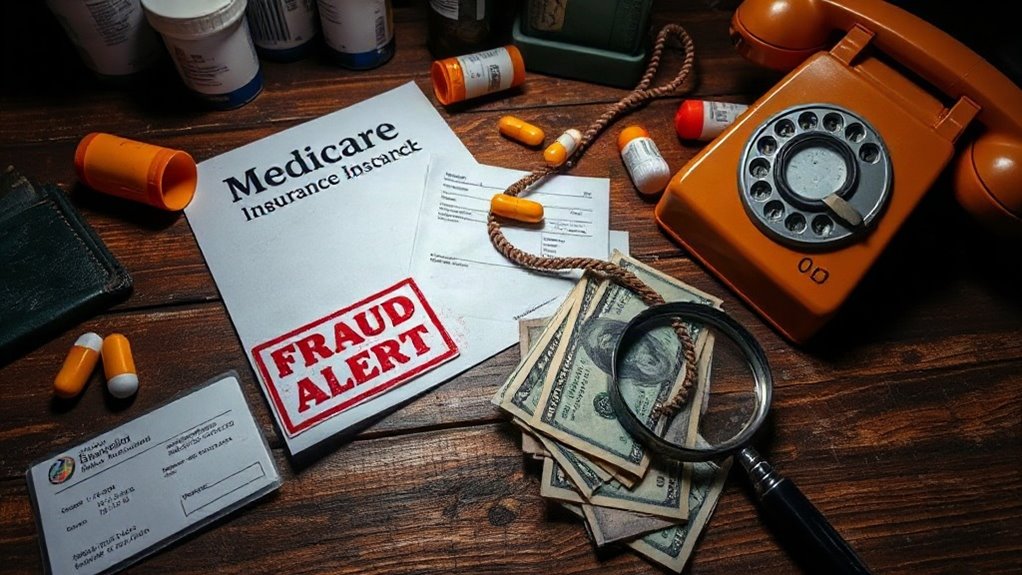
Reviewing your Medicare Summary Notice or Explanation of Benefits regularly can help you spot duplicate claims and phantom visits before they go undetected.
Medicare fraud isn’t just a statistic; it’s a serious issue that hits seniors hard.
What to Do If You Suspect Medicare Fraud?
Suspecting Medicare fraud can feel like stumbling into a bad movie plot, but it’s all too real. Here’s what to do if you find yourself in this unsettling scenario:
- Report it. Call 1-800-MEDICARE for billing concerns. For broader issues, dial the HHS Office of Inspector General at 1-800-HHS-TIPS.
- Gather evidence. Keep your Medicare card, claim forms, and any suspicious bills handy. Document everything—dates, names, and what seemed off. If you file a complaint, be sure to include your contact information as required by the OIG.
- Verify before jumping to conclusions. Check your Medicare Summary Notice against actual services received. Additionally, if you suspect fraud, you can reach out to the Senior Medicare Patrol for assistance in reporting it.
Don’t let potential fraud slide. It’s your money, after all. Stay vigilant, and remember: ignorance isn’t bliss when it comes to your healthcare.
How to Protect Yourself From Medicare Fraud
How can seniors really safeguard themselves from the lurking shadows of Medicare fraud?
Start by guarding that Medicare number like it’s the crown jewels. Seriously, don’t hand it over to unsolicited callers or let anyone use your card.
If someone shows up at your door with a “great offer,” shut it down. Verify before you share anything.
Caller ID? Spoofed.
Got a strange bill? Check it against what you actually received. Predictive modeling technology has proven effective in catching fraudulent activities. Additionally, staying informed about suspicious Medicare payments can help you recognize potential scams.
A journal of appointments can help.
Watch for “free” offers—nothing’s free, folks!
And if something feels off, trust your gut.
Use 1-800-MEDICARE for reporting.
Knowledge is power, and staying alert is the best defense against these shady tactics.
Remember: protect yourself, because nobody else will.