
Design Highlights
- Secondary perils, including floods and wildfires, occur more frequently than primary perils, leading to significant insured losses.
- In 2022, secondary perils generated around $73 billion in insured losses, highlighting their growing impact on the insurance market.
- Climate change and urbanization are major contributors to the increasing frequency and intensity of secondary perils, impacting homes and communities.
- Many homeowners face inadequate coverage for secondary perils, risking substantial out-of-pocket expenses during unexpected events.
- Recognizing coverage gaps and understanding the risks of secondary perils is essential for effective risk management and protection.
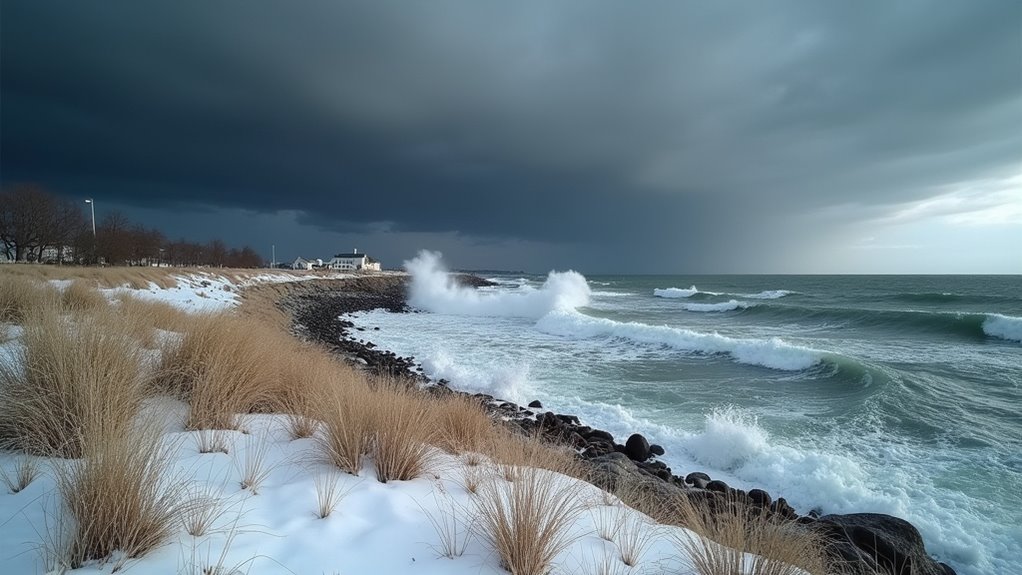
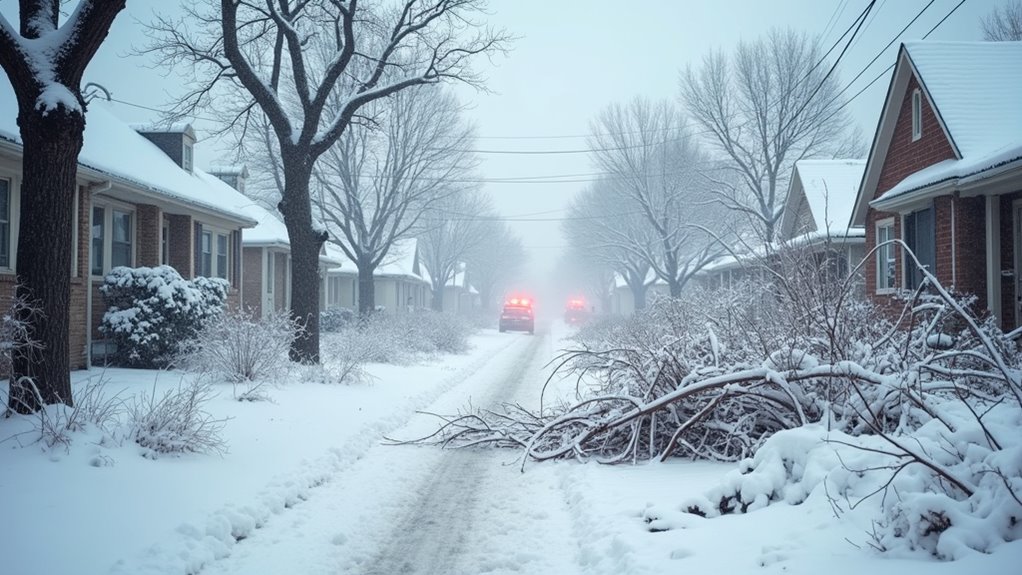
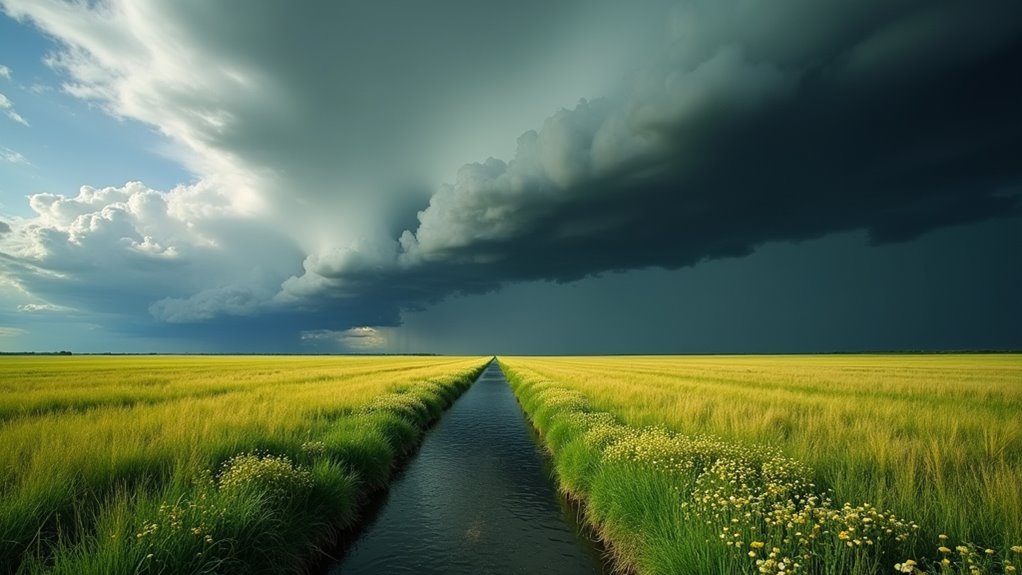
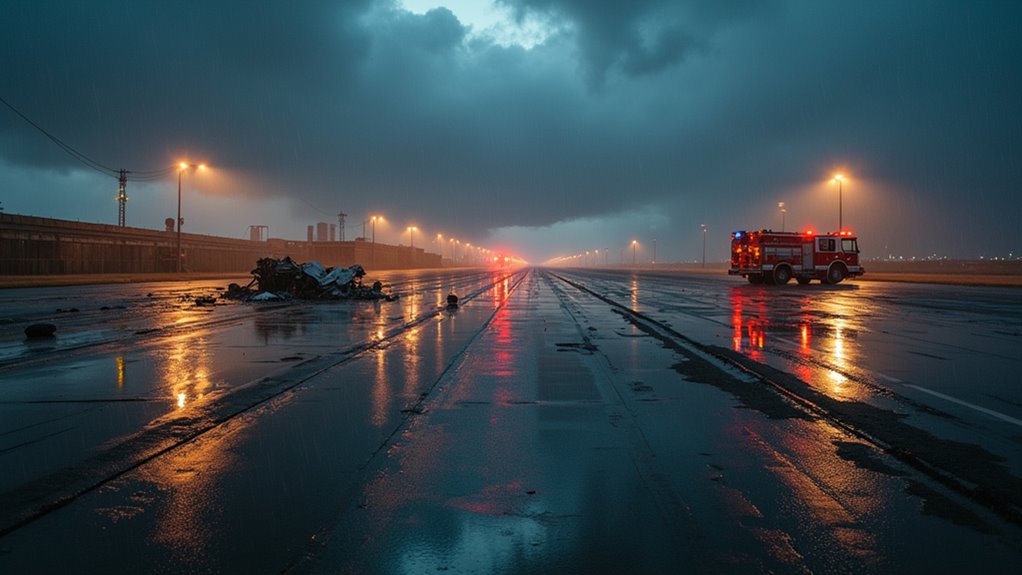
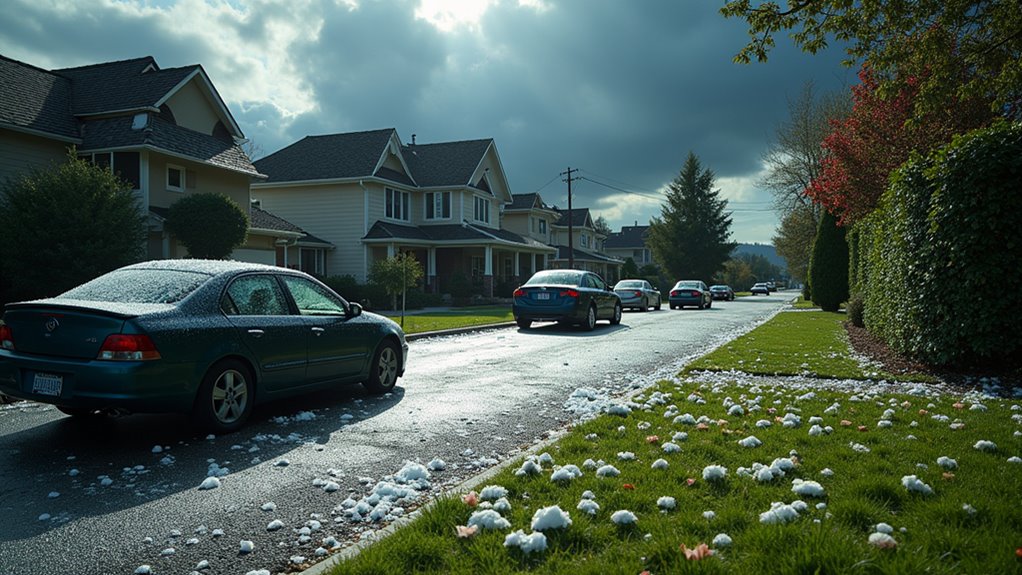
What exactly are secondary perils, and why should anyone care? Well, secondary perils are those pesky natural disasters that strike more often than their flashy cousins, the primary perils like earthquakes and hurricanes. Think hailstorms, floods, or even wildfires. They tend to cause low to medium-sized losses, but don’t let their name fool you. These events are increasingly wreaking havoc on insurance markets and people’s lives. You might think you can ignore them, but they’re sneaky, often hitting when you least expect it.
Secondary perils are the sneaky natural disasters that strike often, causing unexpected havoc and significant losses in our lives and insurance markets.
In fact, secondary perils have become a major headache for insurers. In 2018, they accounted for over 60% of insured natural catastrophe losses—without any significant primary events to blame. Fast forward to 2022, and secondary perils still held their ground, generating about $73 billion in insured losses. That’s right, folks. Secondary perils are not just sidekicks anymore; they’re the stars of the show.
What’s fueling this rise? Climate change and urbanization are playing their parts like a bad reality show. People keep building homes in floodplains and coastal areas, which means more exposure to these unpredictable events. Convective storms, for instance, are wreaking havoc in the US and Australia, causing property damage that leaves homeowners reeling. One moment you’re enjoying a sunny day, and the next, a hailstorm turns your car into Swiss cheese. In fact, the growth of urban areas has significantly driven higher losses from secondary perils, which are recognized as significant weather-related risks.
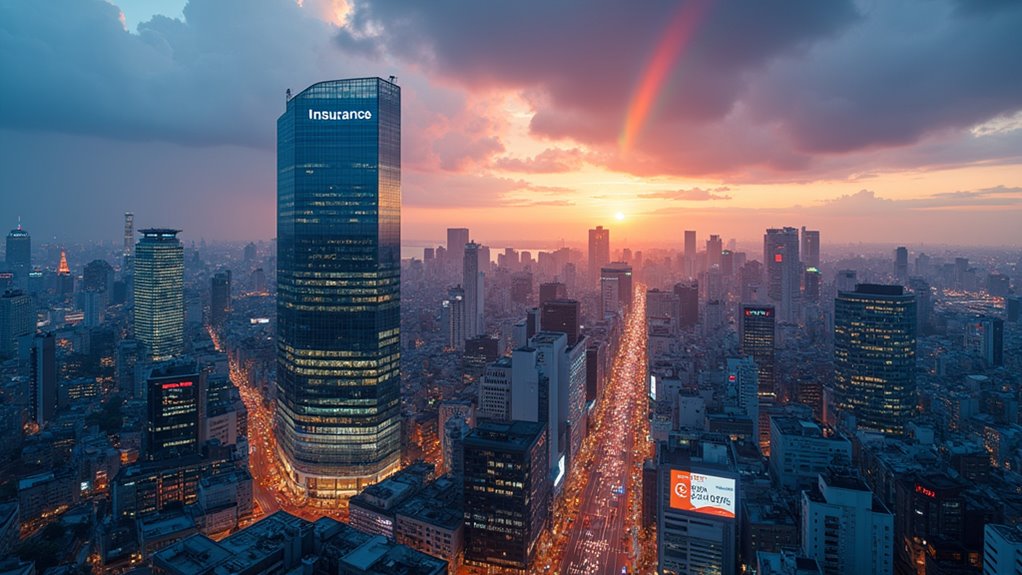
And let’s talk about the insurance implications. Secondary perils are causing wild swings in the insurance market. They produce frequent claims that keep insurers on their toes. With limited historical data and less sophisticated modeling, pricing and underwriting become a real guessing game. Insurers are often left holding the bag, and that bag is getting heavier with every passing year. Inflation, supply chain issues, and rising property values don’t help either. While standard policies often exclude certain disaster types due to earth movement exclusions, secondary perils can catch people off guard when their coverage falls short.
In Australia, secondary perils have been particularly ruthless. A staggering 67% of normalized insured losses since 1966 have stemmed from these events. Urban development in risky zones just adds more fuel to the fire. People need to wake up and realize that secondary perils are not just minor annoyances—they’re a force to be reckoned with.