
Design Highlights
- ZRS aims to bolster energy resilience amid increasing climate chaos and cyber threats facing the industry.
- The new Energy Advisory Service leverages ZRS’s expertise in risk management to identify and mitigate potential vulnerabilities.
- With over 1,500 annual risk assessments, ZRS provides tailored solutions to meet the unique needs of energy organizations in Canada.
- The service enhances compliance with emerging industry standards, addressing both climate change and digital security challenges.
- ZRS’s diverse sector outreach ensures comprehensive support for both major utilities and innovative startups in the energy landscape.
In a world teetering on the edge of climate chaos and cyber threats, resilience isn’t just a buzzword; it’s a necessity. Enter Zurich Resilience Solutions (ZRS) and its brand-new Energy Advisory Service in Canada—a bold move that might just save some businesses from going belly up. With over 60 risk consultant experts in Canada and a staggering 1,000 globally, ZRS isn’t just playing in the shallow end. They’re diving deep into Ontario, Quebec, British Columbia, and Alberta, where energy is king.
What’s the deal? ZRS is all about risk management solutions. They’re not just selling insurance; they’re building a fortress around assets, people, and operations. Every year, they churn out more than 1,500 risk assessments in Canada alone. That’s right, 1,500! They help organizations figure out what could go wrong and how to stop it from happening. And they specialize in the big stuff—climate change, cyber resilience, and those old-school business risks that still haunt boardrooms.
ZRS isn’t just about insurance; they’re fortifying businesses against risks with over 1,500 annual assessments focused on climate and cyber resilience.
Risk engineering is where ZRS flexes its muscle. They use data-driven assessments to find vulnerabilities in energy operations. It’s like having a crystal ball, but instead of predicting the future, they’re preventing disasters. Climate and sustainability consulting? You bet. They help energy companies adapt to the whims of Mother Nature, who’s been throwing tantrums lately. Partnership with businesses is key to their comprehensive approach in understanding risk drivers.
And let’s not forget about cyber resilience. With 24/7 monitoring, they’re on guard against digital threats lurking in the shadows. While general business insurance handles various operational risks, ZRS’s specialized services address claims handling procedures that require expert navigation through complex regulatory environments.
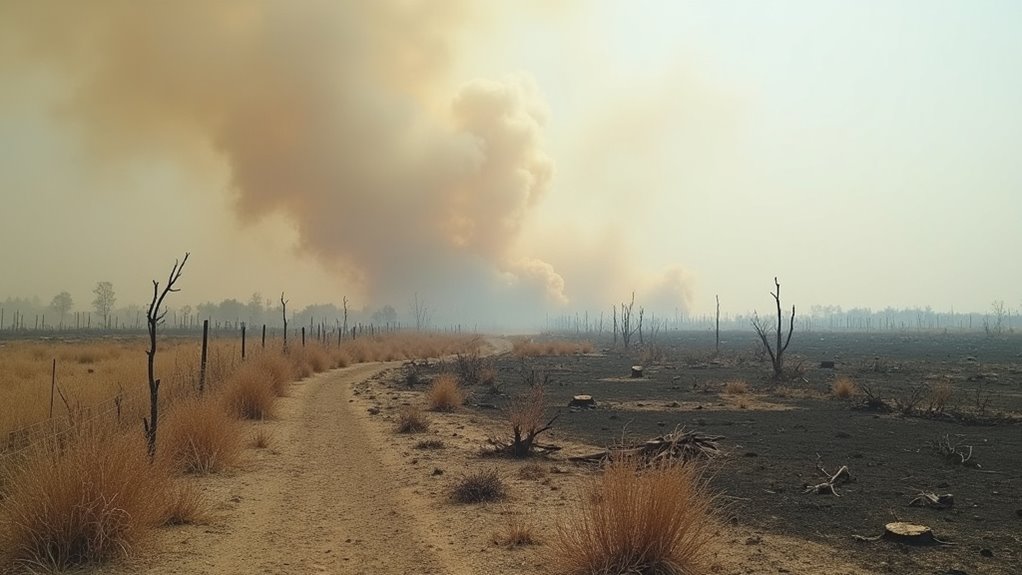
In a country where wildfires and severe weather are becoming the norm, ZRS is all about making sure energy infrastructure can withstand the storm—literally. They’re pushing hard for climate resilience, urging energy companies to comply with emerging standards and adapt to changing regulations. It’s about time, right?
ZRS isn’t just for the big players; they cater to a diverse range of sectors—power generation, sustainable energy, even municipalities. From the sprawling operations of major utilities to the nimble startups, they’ve got everyone covered.