After a hurricane, safety is Job One. Don’t rush back home until officials say it’s okay. Check for downed power lines and gas leaks—no one wants to play a game of “what’s that smell?” Clear away floodwater, but don’t be a hero; you need protective gear. Document everything for your insurance—wide shots, close-ups, receipts. Yes, it’s tedious, but it pays off! Ready to tackle the cleanup and keep your sanity intact? There’s more to unpack.
Design Highlights
- Wait for local officials to authorize reentry before inspecting for hazards like loose power lines and gas leaks.
- Document all damage with photos, detailed inventories, and timestamps for your insurance claims.
- Prioritize safety by clearing roads and removing standing water while wearing protective clothing.
- Open windows and use fans to dry out your home and prevent mold growth effectively.
- Keep records of expenses, repair estimates, and receipts to support your insurance claims process.
Ensure Your Home Is Safe for Storm Recovery
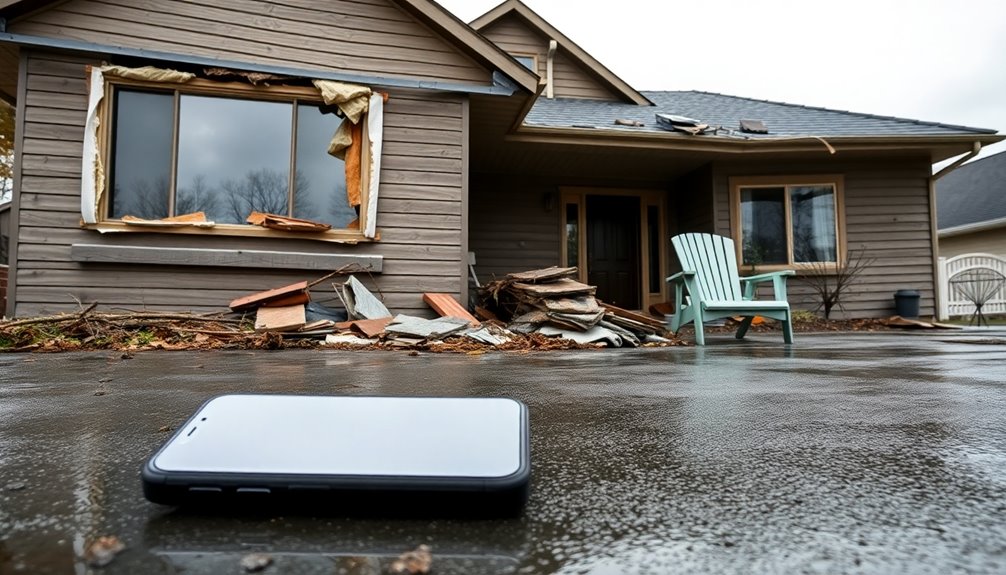
First things first: don’t rush in. Inspect the exterior. Look for loose power lines or gas leaks—seriously, you don’t want to become a human fireball. Only enter when local officials say it’s cool; otherwise, you’re playing a dangerous game. Weakened walls and roads? Avoid them like the plague. And if you smell gas? Get out. Fast. Floodwater? No thanks. It’s not a swimming pool. Remember to continue listening to a NOAA Weather Radio for the latest updates.
Generators should stay outside; carbon monoxide is not your friend. Make sure to know the locations of shut-off valves for electricity, natural gas, and water in case you need to turn them off.
Check detectors, and for Pete’s sake, ditch the candles. Light up with flashlights instead. Document any storm damage to your roof or interior with photos and videos, as insurers require proof that damage resulted from a covered event like a hurricane rather than pre-existing wear and tear.
What Are the Best Cleanup Steps After a Storm?
Cleanup starts now, and it’s not going to be pretty.
First, tackle those massive obstacles. Clear roads and pathways—get that access back for workers and machines. Trim those half-hazard branches before they become a bigger problem. Secure hazardous areas; safety first, folks.
Next, standing water? Get it out. Use pumps or buckets, whatever works. Mud and sludge? Shovel it out. Wear gloves; it’s gross, but necessary. Monitor conditions continuously to ensure safe cleanup operations. Make sure all cleanup helpers wear at least the minimum protective clothing to safeguard against potential hazards.
Drying is essential. Open windows, run fans, and kick out wet items if it’s dry outside. Clean surfaces with hot soapy water, then disinfect. One room at a time, or you’ll feel like you’re drowning in chaos. Act fast—lingering moisture can lead to mold growth, and professional mold remediation can cost anywhere from $2,300 to over $10,000 depending on the severity.
And remember, toss anything that soaked up water and can’t be saved. It’s brutal, but necessary.
How to Document Damage for Your Insurance Claim
Documenting damage after a hurricane isn’t just a chore; it’s a necessity.
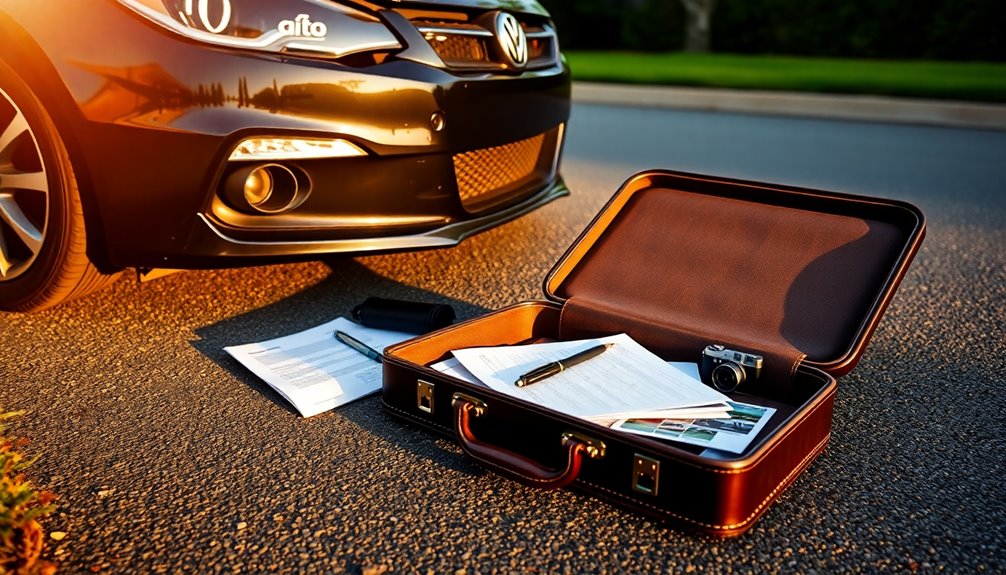
Start with wide shots—show the full room, the roofline, the exterior. Then zoom in on the details: cracks, dents, water stains. Yes, take pictures from multiple angles; you don’t want disputes later. Keep timestamps, folks.
Next, create a detailed inventory of what’s wrecked. List item names, brands, models, and values. Serial numbers? Don’t skip those for major appliances. Be sure to verify coverage for storm-related damage to ensure everything is documented accurately. Additionally, be aware that prompt documentation and notification to insurer can significantly expedite your claims process.
Save receipts and repair estimates. Seriously, keep everything organized in one place. Keep in mind that standard policies exclude floods, meaning separate flood coverage is required if water intrusion is part of your damage.
Grab local weather reports and document your neighbors’ misfortunes, too.
And for the love of all that’s holy, don’t toss anything out before your insurer has had a peek. You’ll thank yourself later.