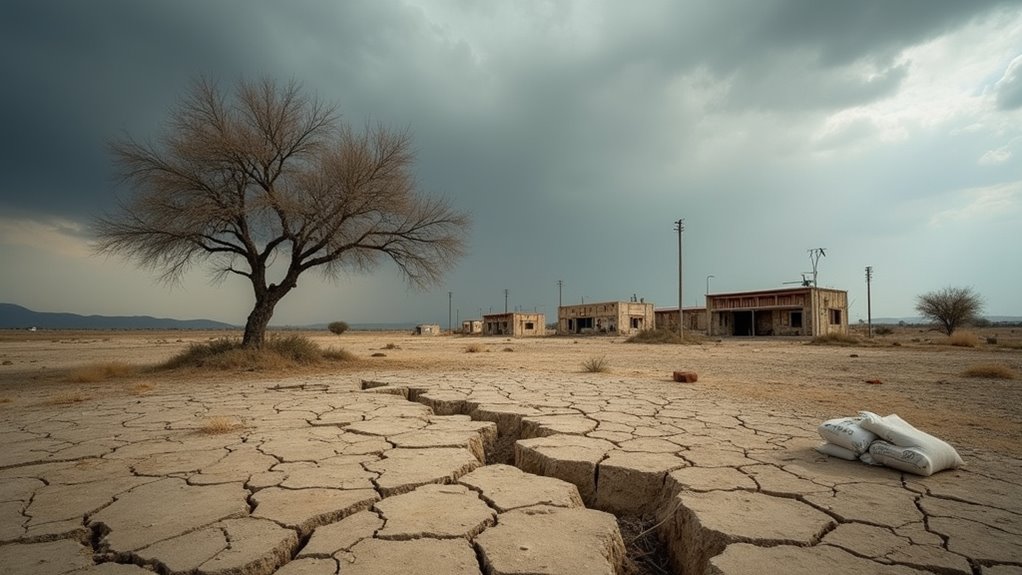

Design Highlights
- On 27 November, the acute hunger crisis intensified, with over 295 million people facing food insecurity globally, particularly in conflict zones like Gaza and Yemen.
- Displacement due to conflicts surged, with Syria and Myanmar experiencing significant population displacements amid ongoing violence and humanitarian crises.
- Economic factors, including high food inflation in Haiti and a projected drop in development aid, worsened food security for millions worldwide.
- Climate extremes on 27 November, including rainfall deficits and localized floods, further exacerbated the humanitarian situation in vulnerable regions.
- Geopolitical tensions escalated, with state-based armed conflict recognized as the top global risk, impacting humanitarian efforts and global stability.
As the world spins wildly on its axis, more than 295 million people are facing acute hunger in 2024, and guess what? This isn’t just a casual problem; it’s the sixth year in a row that the numbers keep climbing. Nearly 300 million people are projected to require urgent humanitarian assistance and protection by May 2025.
And by 2025, that number could hit 305 million. That’s like the entire population of the United States needing help. Crazy, right?
Conflict is at the heart of this mess. Take Gaza, South Sudan, and Yemen. They’re not just dealing with food shortages; they’re in the grip of catastrophic food insecurity, with Gaza hitting a staggering 100% acute food insecurity rate. It’s a nightmare. Catastrophic hunger is on the rise in these regions due to ongoing violence and displacement. In fact, over 295 million people are affected by acute hunger, which is a direct result of these conflicts.
Conflict is wreaking havoc, pushing Gaza, South Sudan, and Yemen into catastrophic food insecurity—Gaza even hitting a shocking 100% rate!
Then there’s Syria, which has produced the second-largest displacement crisis in the world, with 13.8 million people forced to flee their homes. A military escalation in Myanmar has displaced over 3 million people. Meanwhile, armed groups in Burkina Faso have isolated towns, leaving millions cut off from aid. What a world we live in!
But wait, there’s more. Economic shocks are adding fuel to the fire. Haiti is grappling with 51% acute food insecurity due to economic contraction and high food inflation.
Official development assistance is expected to drop by 17% next year. The World Food Programme estimates it will reach 21% fewer people in 2025 than in 2024. That’s 16.7 million fewer individuals getting the help they desperately need. And what’s causing this? High food prices and debt distress are the culprits. Surprising, right?
Climate extremes are another player in this chaotic game. Afghanistan is suffering from rainfall deficits while localized floods in Myanmar are making things worse. Just as insurers view claims as increased risk when assessing policies, humanitarian organizations are now recognizing climate disasters as compounding factors that amplify existing vulnerabilities in crisis zones.
Extreme weather events are becoming more frequent and severe, further complicating an already fragile situation.
On the geopolitical front, state-based armed conflict is the top global risk for 2025. That’s a hefty jump from eighth place last year. With tensions rising due to sanctions and ongoing wars, it’s no wonder people are worried.