
Design Highlights
- Older adults face increased muscle loss and sarcopenia when using GLP-1 weight-loss drugs, especially if resistance exercises are skipped.
- Rapid weight loss from these medications can weaken bones, significantly raising fracture risk in seniors, particularly those aged 65 to 75.
- Gastrointestinal side effects like nausea and vomiting often lead to decreased nutrient intake, causing higher discontinuation rates among older adults.
- Dehydration from GI symptoms can stress kidneys, increasing the risk of acute kidney injury in seniors with pre-existing conditions.
- Weight-loss drugs can cause hypoglycemia and blood pressure drops, heightening risks of dizziness, falls, and fractures in older patients.
As older adults increasingly turn to GLP-1 weight-loss drugs, a lurking shadow of risk looms over them. Sure, losing a few pounds sounds appealing, but at what cost? Rapid weight reduction can speed up muscle loss, especially for seniors over 65. This isn’t just about aesthetics; it’s about survival. Sarcopenia—the fancy term for losing muscle mass—can lead to frailty and a higher chance of falling apart, literally and figuratively. GLP-1 RAs promote lean mass loss during weight reduction, exacerbating the risk for sarcopenia, especially with rapid weight loss.
As older adults chase weight loss, the hidden perils of rapid muscle loss could jeopardize their health and survival.
Imagine this: an older adult loses weight but skips the necessary resistance exercises. What happens? They become more vulnerable to stressors and face a functional decline. It’s like trading in a sturdy car for a flimsy bicycle and wondering why the ride is bumpy. And don’t even get started on protein intake. Appetite suppression, a common side effect, means less protein, which only adds to the loss of lean mass. That’s a recipe for disaster, increasing the risk of nursing home placement, disability, and even death. Fun, right?
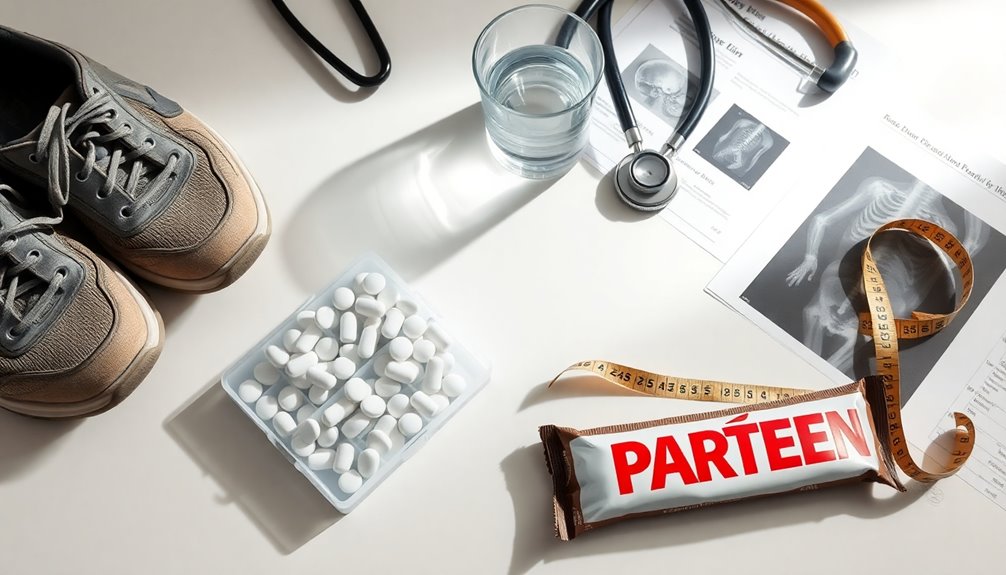
Now let’s talk bones. When seniors lose weight rapidly, their thinner bodies don’t provide the mechanical loading that bones need to stay strong. Reduced bone density? Check. Increased fracture risk? Double check. Older adults with type 2 diabetes on these drugs face an 11% to 12% greater chance of fractures. The risk spikes for those aged 65 to 75, who might as well be walking around with a “break me” sign. It’s not just about looking good; it’s about avoiding a broken hip that could lead to a downward spiral.
Dehydration? Oh, it’s a silent killer. Nausea, vomiting, diarrhea—sounds like a party, right? These symptoms can lead to severe dehydration, especially in seniors with already compromised kidney function. That’s not just uncomfortable; it can stress the kidneys and lead to acute kidney injury. Who knew weight loss could have such a charming list of side effects?
And then there’s the fun of gastrointestinal issues. Older adults often experience more nausea and abdominal pain than their younger counterparts. Discontinuation rates for these meds are higher in seniors because, let’s face it, no one wants to deal with constant discomfort. Older adults experience higher rates of discontinuation due to gastrointestinal issues compared with younger trial participants.
To top it off, there’s the risk of hypoglycemia and blood pressure drops. Mix that with rapid weight loss, and you have a recipe for dizziness and fainting. Just what every elderly person needs, right? For seniors already managing insulin costs, it’s worth noting that severe hypoglycemic events carry serious consequences, a risk that increases alongside higher insulin use and blood sugar fluctuations tied to weight-loss drugs. So, while the promise of weight loss is tempting, the hidden dangers are lurking, ready to pounce.