
Design Highlights
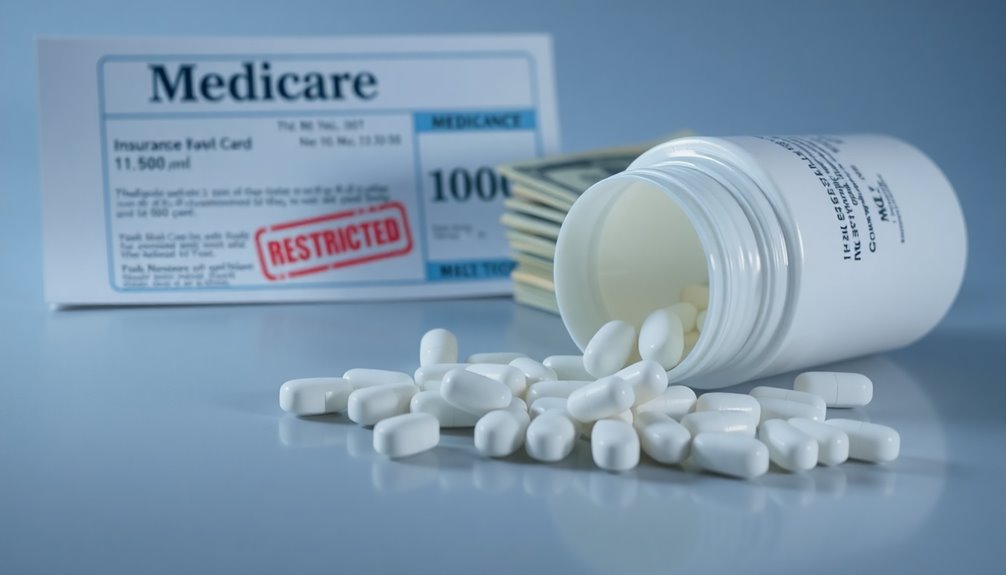
- The Medicare GLP-1 Bridge program launches on July 1, 2026, offering reduced access to weight-loss medications for eligible beneficiaries.
- Eligibility requires a BMI of 35 or higher, or a BMI of 27+ with specific health conditions.
- Over 14 million Medicare beneficiaries may qualify, but many seniors will not meet the strict eligibility criteria.
- A $50 monthly copayment provides significant savings, as GLP-1 drugs typically cost around $1,000 per month.
- Prior authorization from healthcare providers is mandatory, adding potential administrative hurdles for accessing the medication.
Starting July 1, 2026, Medicare will roll out a $50 weight-loss drug deal that sounds too good to be true. But before you pop the confetti, let’s take a closer look. This initiative, known as the Medicare GLP-1 Bridge, is a short-term program designed to help eligible beneficiaries access medications like Wegovy and Zepbound for weight loss. It runs until December 31, 2027. Sounds great, right? Well, hold your horses.
Medicare’s $50 weight-loss drug deal launches July 1, 2026, but eligibility isn’t a walk in the park.
To even think about snagging this deal, you’d better have a Body Mass Index (BMI) of 35 or higher. If you’re in the BMI club of 27 or more but have some health conditions—think prediabetes or heart disease—you might just qualify. But if you’re sitting pretty below that line, you can forget it. No $50 deal for you. And let’s be real: it’s not exactly a free-for-all. You need a Medicare Part D prescription drug plan or a Medicare Advantage plan that covers drugs. No coverage? No deal. That’s a hard pass.
Now, let’s talk cash. The original list prices for these GLP-1 drugs can hit around $1,000 a month. Yes, you read that right. So, the $50 copayment? That’s a whopping 95% discount! But there’s a catch. This deal bypasses standard Part D deductibles, and formulary restrictions are waived. That’s all well and good, but a healthcare provider must jump through hoops, too. They need to submit a prior authorization request, proving you actually need this treatment. Good luck with that!
And here’s the kicker: Ozempic isn’t included. Why? It’s not approved for weight loss. This program is strictly for obesity management. So if you’re hoping for a miracle cure for something else, you’ll be sorely disappointed. The program operates under the Secretary’s authority to test new Medicare care delivery approaches, which highlights its innovative nature. Additionally, more than 14 million eligible Medicare beneficiaries could qualify under the pilot, but many may still not meet the stringent criteria.
After the bridge program wraps up, it shifts to the BALANCE Model in 2027. Beneficiaries will then need to select a participating Part D plan. Who knows what that will look like? The eligibility criteria may change, but for now, many seniors might find themselves on the outside looking in.