
Design Highlights
- Be cautious of unsolicited calls asking for your Medicare or Social Security number; legitimate representatives won’t ask for this information over the phone.
- Watch for high-pressure tactics, such as offers of “free medical care” or gifts, which are common indicators of scams.
- Regularly review your Medicare Summary Notice for discrepancies and unauthorized services to catch potential fraud early.
- Create an online Medicare account to monitor claims activity and stay informed about your benefits and usage.
- Always initiate calls to Medicare or related agencies yourself, ensuring you’re speaking with legitimate representatives.
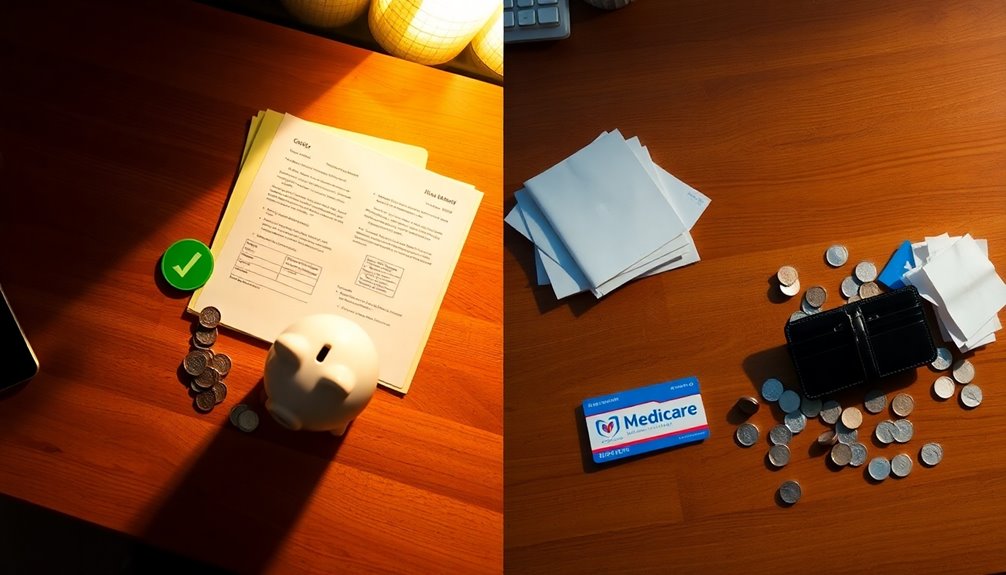
Every year, billions vanish into the murky waters of Medicare fraud—$31.70 billion, to be exact, in fiscal 2024. That’s right, folks. It’s a staggering amount, and guess what? The Medicare Fee-for-Service improper payment rate was a cozy 7.66%. Not much change from the 7.38% we saw in fiscal 2023. For eight years straight, it’s been under 10%. Isn’t that reassuring? But let’s be clear: these figures don’t represent all the fraud loss. They just measure payments made without sufficient documentation or correct billing. So, if you think that’s the whole story, think again.
Scams are everywhere, and they’re crafty. Ever received a call about free braces or medical equipment? Spoiler alert: it’s probably a scam. Fraudulent clinics are out there, too. They’ll submit fake prescriptions or order unnecessary tests just to milk Medicare dry. And don’t even get started on those callers impersonating Medicare reps. They’re masters of disguise, using spoofing technology to make it look like they’re calling from a government agency. Talk about deception!
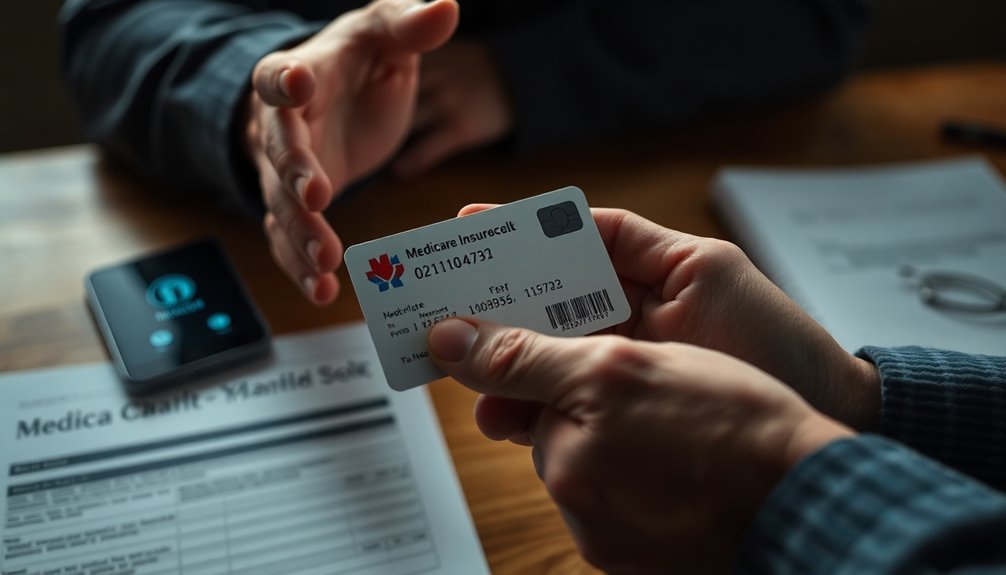
Now, what should set off alarm bells? If you get a call asking for your Medicare number or Social Security number, hang up. Legitimate Medicare representatives don’t show up unannounced to sell you anything or ask for sensitive info. Offers of money, gifts, or “free medical care”? Red flags all around. And if someone pressures you to join a Medicare plan over the phone? Suspicion is warranted.
Older adults are prime targets. They get bombarded with phone scams, and the tactics are straightforward: pressure, impersonation, and sometimes, just plain old scare tactics. It’s sad but true. Fraudsters thrive on confusion around Medicare, Medicare Advantage, and drug plan enrollment rules. Providers commit Medicaid fraud when they exploit these vulnerabilities, making it essential for seniors to stay vigilant. And when they get your Medicare number or Social Security number? It’s an identity thief’s dream come true. In fact, a staggering $60–100B+ estimated annual fraud indicates the scale of the issue.
To stay safe, never share your Medicare number with someone you didn’t call. Check your Medicare Summary Notice or explanation of benefits regularly. Compare what you see with your own records. Create an online Medicare account to keep tabs on claims. Treat your Medicare and Social Security information like gold. Because in this world of scams, it really is. Keep in mind that Medicare open enrollment runs from October 15 to December 7, and scammers often ramp up their activity during this window when beneficiaries are actively making plan decisions.