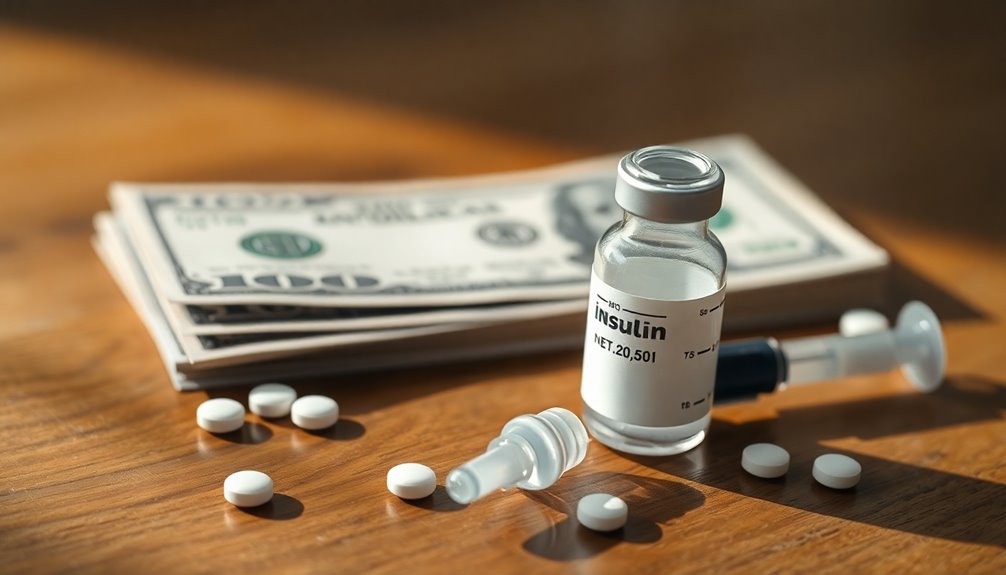

Design Highlights
- Medicare’s $35 cap on insulin costs, effective January 1, 2023, significantly reduced out-of-pocket expenses for many beneficiaries.
- Average monthly insulin spending dropped by 21%, with some patients saving up to half their previous costs.
- Insulin fills increased by 4,000, indicating better adherence to prescribed usage among patients.
- Financial hardship related to insulin costs decreased by 34%, reflecting improved affordability for users.
- Modest improvements in glycemic control were observed, though increased insulin use poses risks of severe hypoglycemic events.
The new Medicare $35 insulin cap is a game changer, but let’s be real—it’s a little late to the party. For many, insulin has been a financial nightmare. Imagine paying around $200 a month just to stay alive. But starting January 1, 2023, Medicare capped out-of-pocket costs for insulin at $35 per month under Part D. That’s a relief, right? Well, it took them long enough.
The new $35 insulin cap from Medicare is a relief, but it’s frustratingly overdue for those struggling to afford their life-saving medication.
After the cap rolled out, researchers reported a 21% drop in average monthly out-of-pocket insulin spending. That’s about a $5 savings each month, which might sound small but adds up. For some, costs were slashed in half. Yes, half! Those with prior monthly costs of at least $58 felt the biggest relief. Finally, some good news, but it raises eyebrows. Why wasn’t this done sooner?
The cap didn’t just reduce costs; it actually increased usage. Insulin fills ticked upward from 519,588 to 523,564. An 8% increase, to be exact, among those who were already shelling out big bucks. People finally had the means to use their medicine as prescribed. Imagine that! More insulin available, less stress. It seems the financial burden was a major barrier to access.
The Centers for Medicare & Medicaid Services (CMS) and the Department of Health and Human Services (HHS) projected massive savings if the cap had been in place back in 2020. Talk about a missed opportunity. With an estimated $734 million saved in Part D alone, one has to wonder how many lives could have been improved or even saved with this change. Reports of financial hardship related to insulin costs decreased (-34%), showcasing just how impactful this policy has been.
And it gets better. The cap has fostered modest improvements in glycemic control. Lower blood glucose levels are a win, even if they’re not dramatic. But let’s not sugarcoat it—there’s still a risk of severe hypoglycemic events that comes with increased insulin use. So, while some people are finally able to afford their meds, they might face new challenges. Nearly three-quarters of insulin users already had reduced costs via the Low-Income Subsidy or Senior Savings Model, indicating that many were already benefiting from existing programs.
In the end, this cap helps those who needed it most—people who were forced to choose between medicine and other essentials. It’s a step, albeit a late one, toward better health equity. For those still navigating coverage options, government insurance marketplaces established under the Affordable Care Act offer additional avenues to find plans that cover essential medications. But it shouldn’t have taken this long. The real question: What took Medicare so long?