
Design Highlights
- Michigan agencies are urging vigilance during Medicare Fraud Prevention Week due to rising scams targeting beneficiaries and caregivers.
- Common scams include billing for unprovided services and charging for unnecessary tests, costing millions annually.
- Warning signs include unsolicited requests for Medicare numbers and threatening language from callers or messages.
- The Senior Medicare Patrol (SMP) offers reporting resources and encourages beneficiaries to report suspicious activity.
- Increased claims processing times may provide opportunities for fraudsters, emphasizing the need for heightened awareness among seniors.
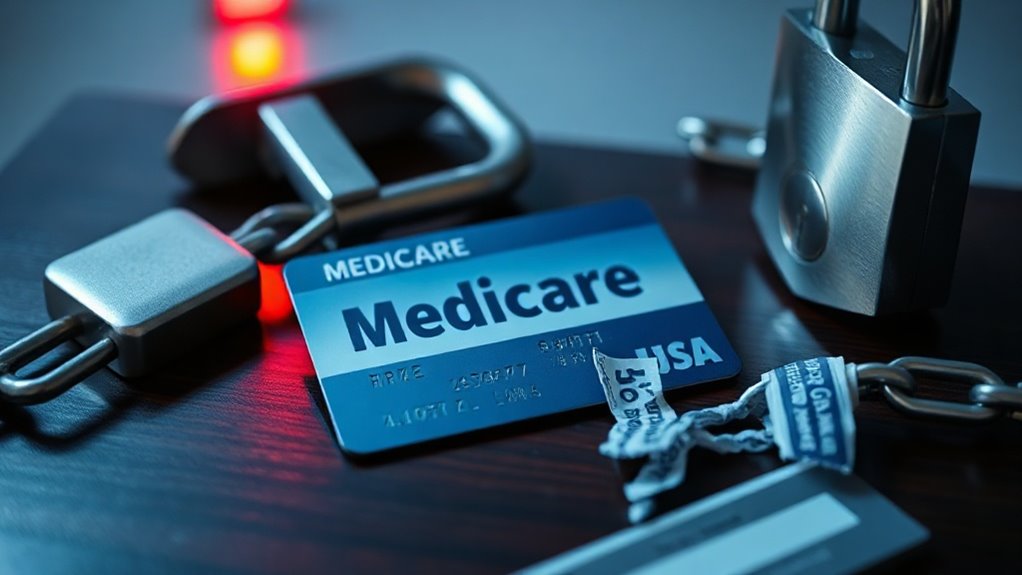
In Michigan, local agencies are on high alert, urging residents to keep their eyes peeled for scams targeting Medicare beneficiaries and their caregivers. You’d think it would be easy to spot a scam, right? Well, think again. Scammers are getting creative. They might bill for services that were never provided or charge for unnecessary tests. It’s like a bad magic trick where the only thing disappearing is your money.
Local agencies in Michigan warn that creative scammers are targeting Medicare beneficiaries, billing for nonexistent services and vanishing funds.
What’s even more infuriating is that these scams often come knocking on your door—or rather, your phone. Unsolicited calls, texts, or emails claiming to be from Medicare should send up red flags faster than a bull in a china shop. If someone is asking for your Medicare or Social Security number, you should be running for the hills. And if they throw in some threats? Yikes. That’s a clear sign it’s time to hang up.
The main goal of Medicare Fraud Prevention Week is to encourage early recognition and reporting of suspicious activity. This observance, established in 2022, is about empowering seniors to take action. The more people know about the warning signs, the less money ends up in the pockets of fraudsters. But, let’s face it: vigilance is exhausting. More than 20% of Arkansas residents rely on Medicare, highlighting the importance of this effort for seniors nationwide. Recent reports indicate that phantom provider billing is a growing method used by fraudsters, costing millions annually.
So, what can you do? Don’t answer those unknown calls. Seriously, just don’t. And if you accidentally give out your information? Report it. The SMP has your back; they’ve set up a national reporting pathway that includes a form and a helpline. Seniors should also be aware that claims processing times have risen significantly in recent years, which fraudsters may exploit to delay detection of suspicious billing activity.
In a world where scammers are lurking around every corner, Medicare Fraud Prevention Week is not just a nice idea. It’s a necessary call to arms. Because really, who has an extra $60 billion lying around? Certainly not the seniors relying on Medicare.