
Design Highlights
- Eligibility for SNAP in Philadelphia depends on household size and gross monthly income, which must be below 200% of the Federal Poverty Level.
- Resources, such as cash or bank accounts, typically have a limit of $3,000, but no resource limit applies in Pennsylvania.
- SNAP benefits are issued via the ACCESS Card, with a minimum amount of $24 for one or two-person households.
- Able-bodied adults without dependents must meet work requirements, including 20 hours of work or training per week starting November 1, 2025.
- Applications can be submitted online via COMPASS, by mail, in person, or over the phone, with most processed quickly.
SNAP benefits in Philadelphia are a lifeline for many, but finding your way through the system can feel like running an obstacle course. Eligibility criteria? It’s a maze. Households must juggle size, monthly income, and sometimes age or disability status. That’s right—if you think your household size is a simple number, think again. In Pennsylvania, most households can’t exceed a gross monthly income of 200% of the Federal Poverty Level. For a one-person household, that means staying under $2,610. For two, it’s $3,526. Keep adding, and the numbers climb higher. Need more? Each additional member bumps up the limit by $918. Simple, right? Not so much.
Navigating SNAP benefits in Philadelphia? It’s a maze of income limits and household sizes—definitely not as simple as it seems!
Then there are the resource rules. Federal SNAP allows up to $3,000 in countable resources, but that jumps to $4,500 if someone in the house is 60 or older or has a disability. Countable resources include cash and money in a bank account. But here’s the kicker: Pennsylvania generally has no resource limit. So, while the rules say one thing, the state can be a bit more lenient. It’s all about how the application gets processed within 30 days. Confused yet?
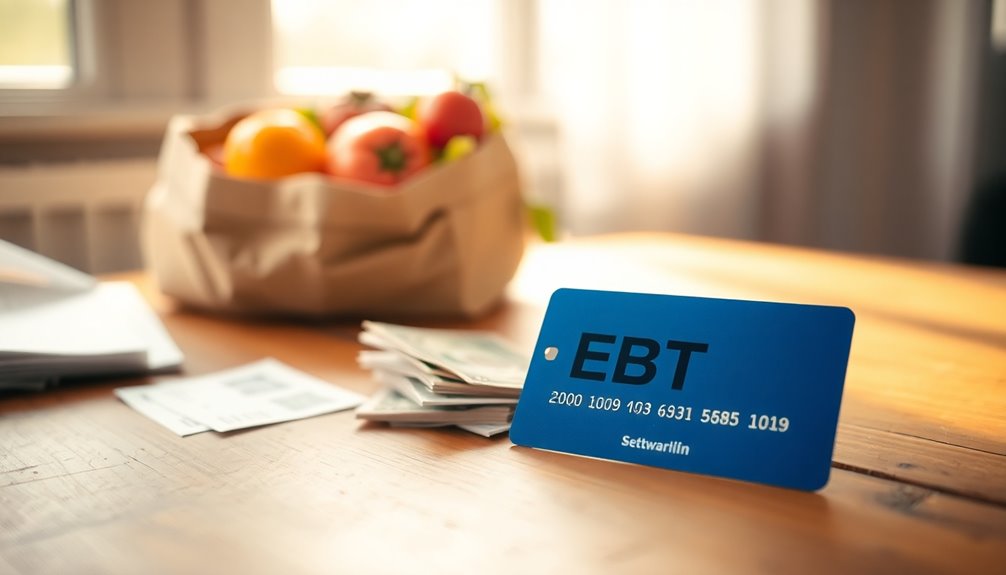
Next up, the benefit amounts. The minimum SNAP benefit for one or two people is $24 a month. Yes, you read that right. If you’re under the income limits, at least you’re guaranteed that pitiful amount. But the actual benefits vary by household size and income. No one-size-fits-all here, folks. Oh, and those benefits? They come via an EBT card, known locally as the ACCESS Card. Change your income or household size? Get ready for a shift in benefits. Shelter-related expenses can also be deducted from your income if they exceed half of your total income after other deductions.
Now, for the able-bodied adults without dependents—there are work requirements. You might need to clock in at least 20 hours a week. That’s right; you can’t just sit back and collect. Starting November 1, 2025, some folks aged 18 to 64 will be subjected to these rules. Work, volunteer, or take part in a training program. You’ll need to report any exemptions, too. Because who wants to deal with more paperwork?
Finally, the application process is as straightforward as a riddle. You can apply online through COMPASS, or submit applications in person, by mail, or over the phone. Most applications get processed quickly, but “quickly” can mean different things in government time. Just as landlords can legally require tenants to carry renters insurance proof, certain lease agreements and assistance programs may demand documentation before benefits or housing arrangements are finalized. So, buckle up. The journey through the SNAP labyrinth is just beginning.