Design Highlights
- Seniors face heightened vulnerability due to limited mobility and medical needs, making timely preparations critical before hurricane warnings are issued.
- Late warnings hinder last-minute preparations, increasing risk from winds and flooding for seniors who require more time to evacuate.
- Emergency kits must include essential medical supplies, medications, and backup power options, which require advance planning rather than last-minute assembly.
- Evacuation logistics demand pre-arranged transportation and shelter, as seniors often need assistance that cannot be arranged in an emergency.
- Proactive home preparation, including securing loose items and shutting off utilities, is essential to mitigate damage and enhance safety before storms arrive.
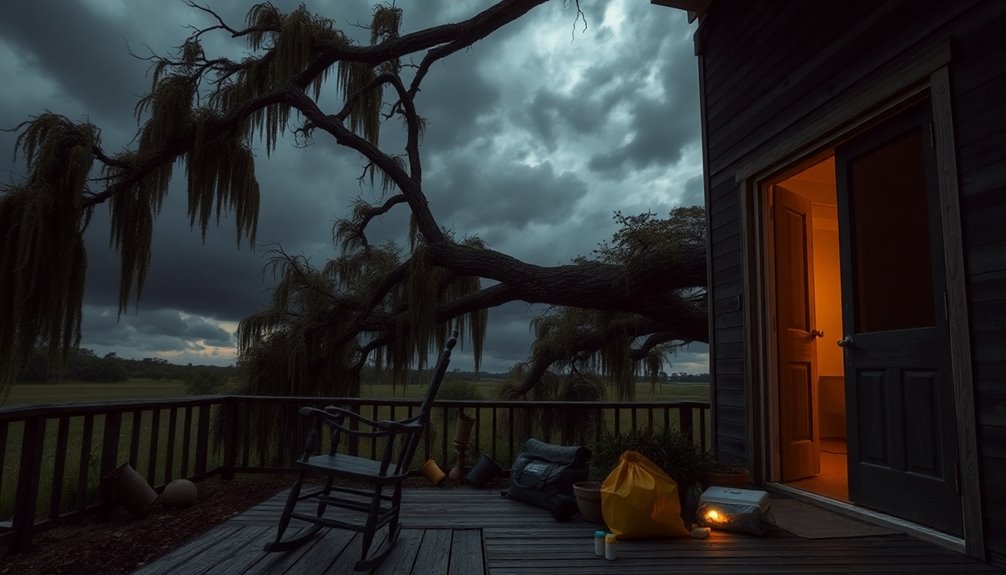
In Louisiana, hurricane season isn’t just a weather forecast; it’s a reality check. For seniors, it’s a wake-up call that demands immediate action. They face a higher risk during storms, not just from the winds and flooding but from the harsh reality of limited mobility and time. Evacuating isn’t as simple as grabbing a bag and heading out. Many older adults need assistance with transportation, medication access, and even basic survival. The state’s agencies stress disaster planning for these populations before storm season kicks in, but do they listen? Often, the answer is no.
Hurricane season is a stark reminder for seniors in Louisiana; urgent action and proper planning are essential for survival.
When the warning bells start ringing, it’s too late. Medical needs don’t wait for the last-minute rush. Proper planning requires forethought. Emergency kits should hold more than just snacks and bottled water. They need first-aid supplies and a week’s worth of medications. And let’s not forget that important medical information should be waterproof—because who wants soggy prescriptions? Medical equipment users, especially, need backup power options to maintain critical health needs. It’s not just about survival; it’s about maintaining health when the world outside is falling apart.
As the season intensifies, so should the urgency to assemble a hurricane-ready supply kit. The basics are easy: bottled water, nonperishable food, and a flashlight. But for seniors, it gets trickier. Kits should include hearing-aid batteries, oxygen supplies, and anything else that’s age-specific. Home-delivered meals? Better keep some shelf-stable food on hand, just in case services get suspended. Preparedness Starts at Home is a mantra that can empower seniors to take charge of their safety.
Evacuation planning can feel like playing a game of chess. But when storms approach, it’s less about strategy and more about quick thinking. Identifying multiple evacuation routes is essential. The last thing anyone wants is to sit in bumper-to-bumper traffic with a storm bearing down. Keeping a fuel tank over half full? Yes, please! Meeting places and emergency contacts should be established long before panic sets in. Seniors might need help with transportation and shelter arrangements. It’s not a solo mission.
Home preparation is imperative. Loose items like patio furniture? Bring them inside! Windows should be protected, and flood risks demand moving valuables to higher ground. If time allows, shut off utilities and unplug appliances. These steps don’t just reduce damage; they safeguard lives. Seniors should also review their homeowners insurance policies carefully, as storm damage coverage typically applies to sudden events like hurricanes but excludes losses from neglect or lack of maintenance.
Staying informed early? Essential. Warnings are just that—warnings. They don’t allow for hesitation. For Louisiana seniors, waiting is not an option. The time to act is now.