
Design Highlights
- Smart retirees prefer dual homes for flexibility, enjoying both cozy northern retreats and sunny getaways without the constraints of downsizing.
- The financial appeal includes maintaining a comfortable lifestyle while avoiding drastic reductions in living space and personal preferences.
- Owning two homes allows for family gatherings in spacious settings, enhancing social connections and shared experiences.
- Renting can limit customization, while homeownership provides stability despite rising costs and maintenance concerns.
- Emphasis on comfort and personal choice reflects retirees’ desire to live life on their own terms, prioritizing enjoyment over minimalism.
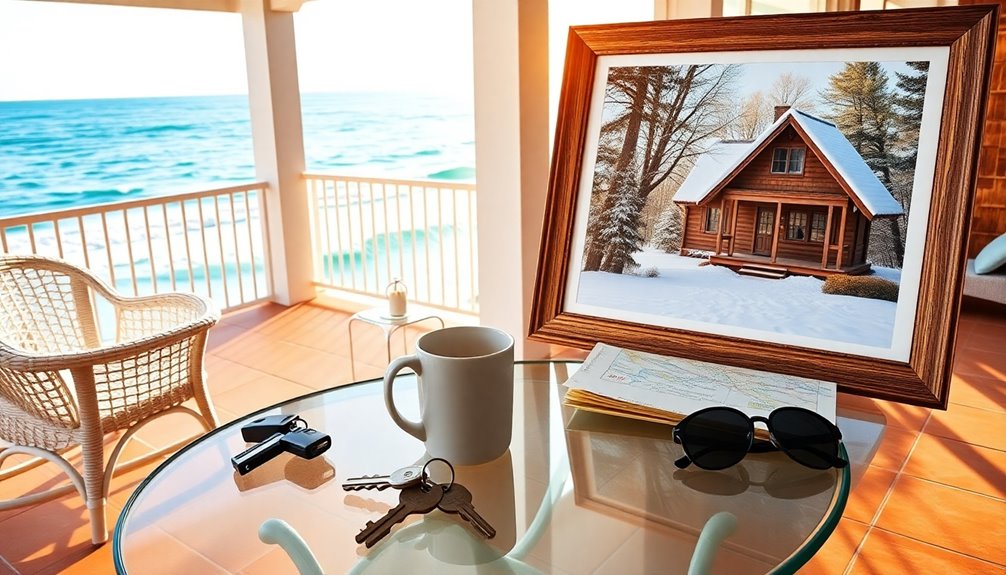
In a world where retirees are trading in snow shovels for sandy beaches, the snowbird lifestyle has become the go-to escape plan. Picture it: half the year spent basking in the warm sun, while the other half involves shoveling snow and huddling by the fireplace. Smart retirees are saying no to downsizing and yes to dual homes. They want the best of both worlds—a cozy northern home and a sunny retreat. Why settle for just one when you can have two?
Many retirees have discovered that downsizing isn’t quite the golden ticket it’s cracked up to be. Sure, a smaller home might sound appealing, but it can feel like a loss of lifestyle. These retirees value comfort and space for family gatherings. A second residence serves as a travel hub, allowing for flexibility instead of a permanent reset in a shoebox. Who wants to give up a place for the grandkids to crash? Not them!
However, this two-home approach comes with a price tag. Monthly expenses can start around $5,000 and soar past $8,500 for those living large. A sample budget shows a typical snowbird shelling out $7,658 a month—ouch! Discretionary spending often takes the cake, eating up about two-thirds of their budget. Essentials? Just $2,558. The rest? Dining out, entertainment, and whatnot. Those sunny days come at a cost. Discretionary spending amounts to $5,100, reflecting the choices retirees make for a fulfilling lifestyle.
Housing plays a big role in these costs. Mortgage payments, property taxes, and insurance pile up, especially when maintaining two homes. Seasonal housing costs don’t care if your second home is sitting empty; they’ll still find a way to drain your wallet. Transportation adds its own pinch—gas, flights, or those endless road trips.
Everyday living expenses? You guessed it—groceries and all that jazz add to the tally. For retirees who rent their seasonal retreat rather than own it, renters insurance costs typically run between $15 and $23 monthly, a small but necessary line item to protect belongings in a second residence.
Some retirees opt to rent instead of own, thinking they can keep more cash flow. Renting sounds nice until you realize you can’t paint the walls or plant a garden. Ownership offers stability but also means dealing with property taxes and maintenance. With insurance rates climbing higher than a kite, many are left wondering if owning two homes is still worth it.
In the game of retirement, the snowbird lifestyle gives retirees what they crave: choice, warmth, and the chance to escape winter’s grasp. The decision to refuse downsizing isn’t just financial; it’s a bold statement about living life on their terms.