
Design Highlights
- Rising healthcare costs can consume up to $700 of the average Social Security check, straining retirees’ finances significantly.
- Social Security typically replaces only 30% to 40% of pre-retirement earnings, leaving retirees vulnerable to rising medical expenses.
- Retirees should consider supplemental insurance plans to cover out-of-pocket costs for healthcare, dental, and vision care not fully covered by Medicare.
- Developing a comprehensive financial game plan can help retirees navigate the uncertainties surrounding Social Security and Medicare.
- Staying informed about policy changes and advocating for better healthcare reforms can empower retirees to mitigate financial challenges.
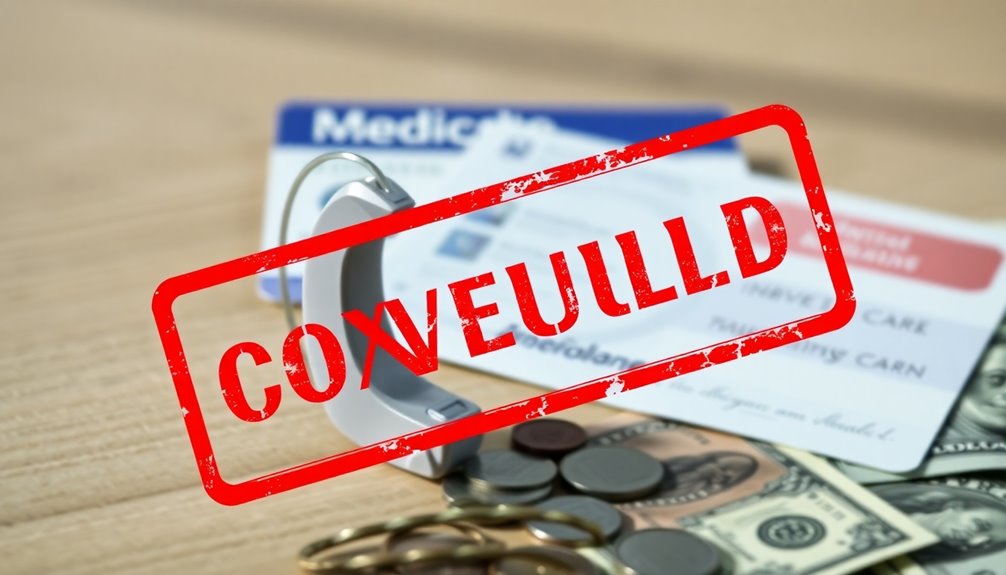
Soaring healthcare costs are becoming a real headache for retirees, and it’s not just a minor annoyance. For an average couple aged 65, the projected medical expenses in retirement exceed a staggering $300,000. Yes, you read that right—$300,000. And guess what? That figure is just for basic medical needs and doesn’t even touch long-term care. As age creeps up, so do these costs, unlike other living expenses that tend to stabilize. It’s a relentless cycle, and U.S. healthcare spending is outpacing that of other developed nations, making retirees feel like they’re being squeezed from all sides.
Soaring healthcare costs threaten retirees, with average medical expenses exceeding $300,000, leaving them feeling financially squeezed.
Let’s talk about Social Security, that monthly check that many retirees rely on. It typically replaces only 30% to 40% of pre-retirement earnings. Imagine this: an average check is around $1,800. But hold on—healthcare costs can easily chew through $700 or more of that. With such a large portion of their income gobbled up by medical expenses, retirees find themselves juggling other essential costs with little financial flexibility. It’s like trying to fit a square peg in a round hole.
Worse yet, the inadequacy of cost-of-living adjustments (COLA) is a cruel joke. The 2026 COLA is projected at a mere 2.8%, while Medicare Part B premiums are set to rise a whopping 11.6%. For many, that increase swallows up almost half of their COLA, leaving them with crumbs. And let’s not even start on ACA premiums for those over 50. Skyrocketing costs are the name of the game, outpacing any slight increase in Social Security. Rising costs, particularly health care, undermine the effectiveness of COLA.
Inflation? It’s a nightmare, especially when it comes to healthcare. Prices grow faster than general inflation, fueled by an aging population and the prevalence of chronic conditions. New technologies? Sure, they’re great—but they come at a price. Healthcare costs have been rising faster than general inflation, with private insurance spending per enrollee jumping 80.4% from 2008 to 2023. The median proposed premium increase across insurers for 2025 sits at 7%, with some insurers requesting hikes greater than 10%, further straining retirees on fixed incomes.
Out-of-pocket expenses are another beast to tackle. Retirees are shelling out for premiums, deductibles, and copays, not to mention those pricey prescription medications. Dental and vision care? Often not fully covered. Back in 1970, insurance covered 73% of total spending; today, that figure is down to just 27%.
Before Medicare, high-risk individuals faced an uphill battle, with premiums ranging from $57 a month to an eye-watering $1,690. It’s no wonder some retirees are claiming Social Security early, only to be left with a mountain of debt.
Policy uncertainty looms large. Many are feeling the pinch of financial pressures related to Social Security and Medicare. It’s enough to make anyone want to pull their hair out. Retirees need a game plan—no two ways about it.