
Design Highlights
- Older adults struggle with daily living tasks, necessitating human assistance beyond medical care for basic needs like bathing and mobility.
- Social isolation and hunger are prevalent, making meal programs crucial for older Americans’ overall well-being rather than just medical interventions.
- Transportation challenges hinder access to healthcare and essential services, highlighting the need for community support and human assistance.
- Caregiver strain grows as families become smaller, increasing the demand for respite care and support services for unpaid caregivers.
- Funding for these essential human support services is critical, as community programs face resource limitations amid rising demand from aging populations.
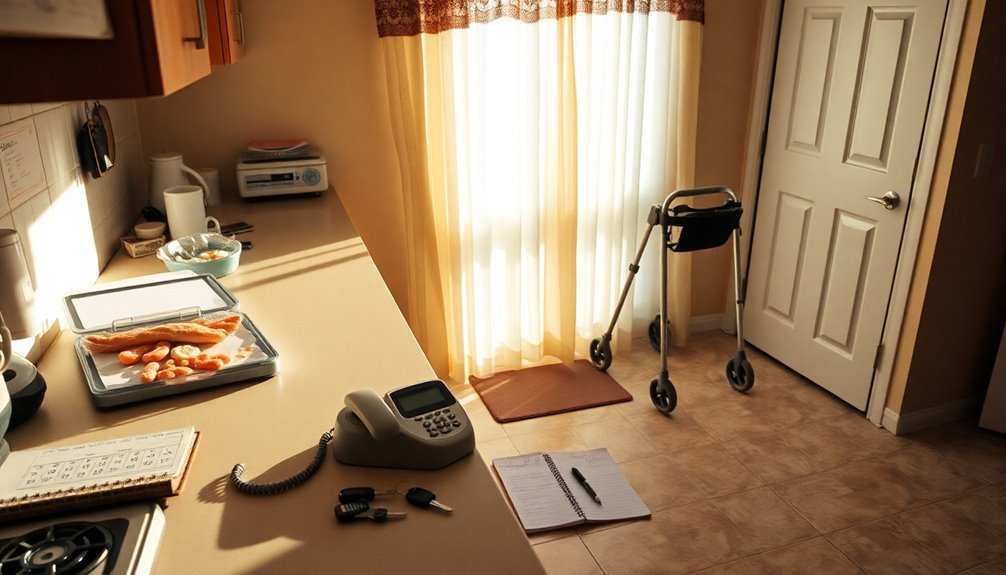
Older Americans need a lot of help—like, a staggering amount. As they age, the simple tasks of daily life can become Herculean feats. Activities of daily living (ADLs) like bathing, dressing, and even moving around can turn into intimidating challenges. Millions of hours of personal care services have been logged, assisting older adults with these basic needs. It’s not just a few folks; we’re talking about 77,000 older adults relying on help. Six in ten of them are leaning on assistive devices like walkers and grab bars just to stay upright. Let’s face it: when using the toilet becomes a high-stakes game, we’ve got a problem.
Older Americans face daunting challenges in daily living, with 77,000 relying on vital assistance just to get by.
But wait, there’s more. Cooking? Forget it. That’s where meal programs come into play. Meals on Wheels isn’t just about food; it’s a lifeline. It addresses hunger and combats social isolation, which is a big deal for seniors who spend most of their days alone. Title III programs serve over 12 million individuals per year, providing essential nutrition services. In fact, 94% of older adults support geriatric training for health care providers to improve the quality of care.
Imagine this: one-third of older adults living solo, often with only a delivery volunteer to chat with. That’s not just sad; it’s downright alarming. Yet even these crucial services are stretched thin. Waitlists are growing, especially in rural areas. So, who’s stepping up to fill these gaps? The answer isn’t pretty.
Then there’s transportation. Many older adults can’t drive anymore. They need rides to doctor appointments, grocery stores, and community events.
But as younger generations flock to cities, rural isolation grows. Community-based transportation programs are trying to bridge that gap, but it’s a heavy lift. Reliable transportation can mean the difference between life and death, or at least between a check-up and a missed appointment.
And let’s not forget about caregivers. As families get smaller and more dispersed, the burden of caregiving falls heavier on fewer shoulders. Those providing unpaid care often need a break, yet support services are often hard to come by. Respite care is not just a luxury; it’s a necessity. Home care aides and personal care workers are often classified as employees, meaning the agencies that employ them may be required to carry workers compensation insurance to cover on-the-job injuries.