
Design Highlights
- The UNT study reveals significant healthcare access issues for older immigrants, particularly those aged 60 and older.
- Many older immigrants lack reliable insurance, leading to high financial strain even when insured.
- Uninsured older immigrants face elevated health risks, especially for cardiovascular diseases and preventable emergencies.
- A considerable percentage of undocumented elderly immigrants remain uninsured due to Medicaid ineligibility and outdated welfare reforms.
- Urgent reforms are needed to ensure equitable coverage and culturally appropriate care for older immigrant populations.
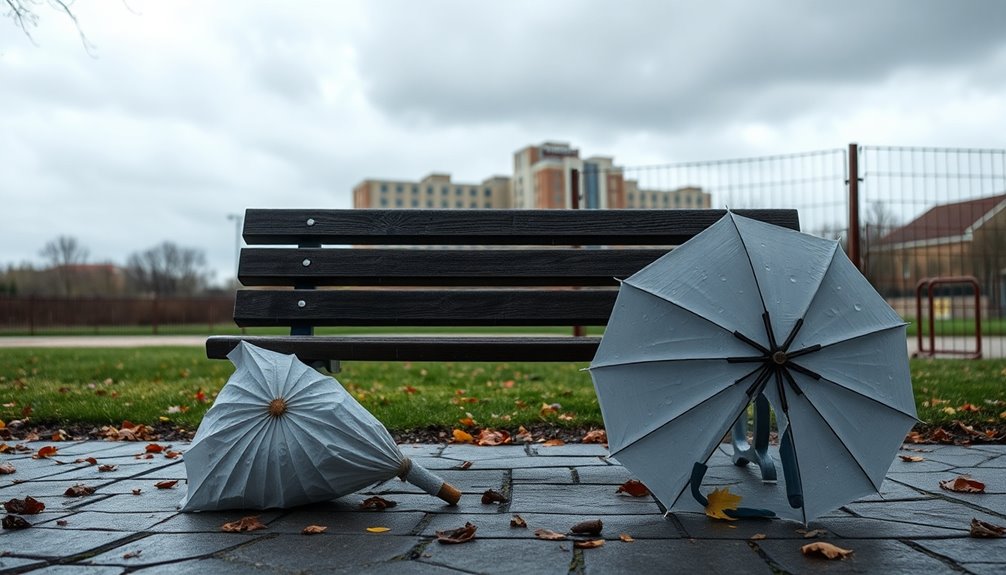
Imagine being over 60, traversing a maze of healthcare options, and finding out that your insurance is about as reliable as a paper umbrella in a rainstorm. A recent study from the University of North Texas sheds light on the insurance gaps that plague older immigrants, revealing a grim reality. The research, utilizing National Health Interview Survey data, highlights the struggles faced by foreign-born seniors aged 60 and older. It’s like a bad joke, where the punchline is an empty wallet and a doctor’s office that feels like a distant dream.
The findings are stark. Private insurance increases the odds of having a regular care source, making seniors 1.54 times more likely to find some semblance of healthcare. Medicare? Even better—offering a 2.21 times greater chance of accessing regular care. But here’s the kicker: no insurance type noticeably reduces financial strain. So, seniors with private or Medicare may still find themselves drowning in bills. It’s a cruel irony.
Private insurance boosts access to care for seniors, but financial strain remains—a cruel irony in an already broken system.
Women are often left in the lurch, with fewer chances of securing regular care compared to their male counterparts. And let’s not forget the undocumented elderly. A staggering 40–61% are uninsured, leaving them to navigate a system that seems designed to keep them out.
Meanwhile, over half of these older immigrants struggle with English, which is just one more hurdle on an already treacherous path. The health risks associated with being uninsured are alarming. Older immigrants without coverage are more likely to face cardiovascular diseases, often leading to preventable emergencies like strokes and heart attacks. It’s not just a statistic—it’s real lives at stake. Recent immigrants exhibit lower overall risk for cardiovascular disease compared to long-term immigrants, yet many remain uninsured.
And yet, many remain ineligible for Medicaid for years, a cruel consequence of outdated welfare reforms. As the population ages, projections show that 27% of undocumented Latinos will be over 65 in 20 years, reflecting the aging rate of undocumented Latino immigrants. That’s a considerable jump compared to just 20% of the general U.S. population.
The uninsured share with chronic conditions is expected to double. It’s a ticking time bomb, and the barriers—low income, fear of costs, and deportation—are keeping many from seeking timely care. For those who do attempt to navigate the system, qualifying life events such as marriage or job loss may open a special enrollment window, but these opportunities are often unknown or inaccessible to vulnerable immigrant populations. Simply put, the system is broken. With urgent reforms needed, the call for equitable coverage and culturally appropriate care is louder than ever.
It’s time to face the facts: older immigrants deserve better, and a paper umbrella will never cut it in this storm.