
Design Highlights
- Emotional bonds with pets often lead to prioritizing their needs over personal safety and health, complicating decisions about rehoming.
- Mobility issues and memory challenges can make pet care difficult, but support options are available to maintain pet ownership.
- Pets provide essential companionship, especially for seniors, making the thought of separation emotionally distressing.
- Rehoming a pet can be safely done through reputable shelters, ensuring they are cared for while easing the burden on aging owners.
- Conversations about pet care can be challenging; consider involving a trusted advisor to explore options and alleviate concerns.
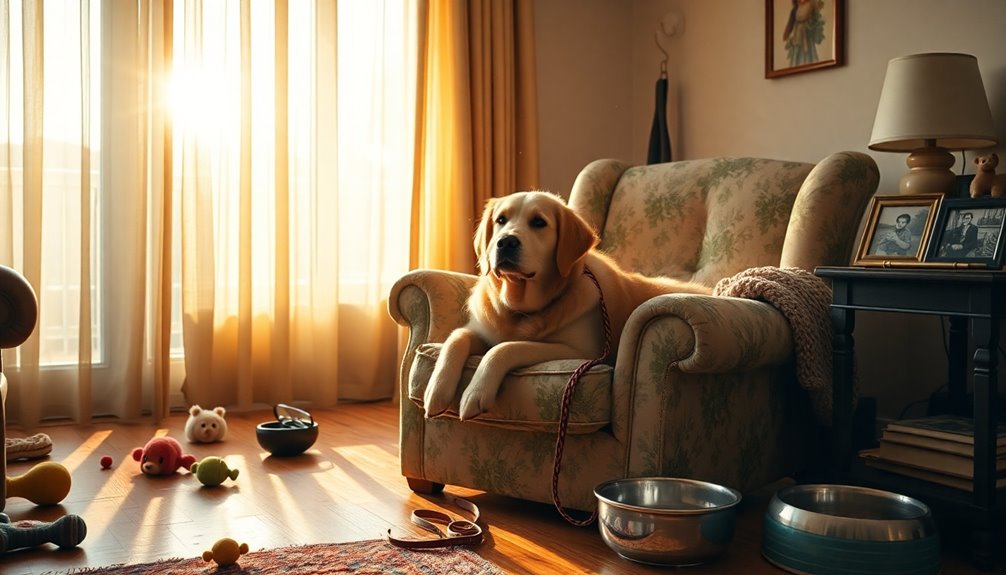
As seniors face the harsh realities of aging, many find themselves in a battle between their well-being and their beloved pets. For a 74-year-old woman, her dog is more than a pet; he’s her “third child.” She refuses to leave him with her adult kids, despite the challenges that come with aging. Mobility issues make it tough to walk him or clean up after him. Forgetting feeding times or vet appointments has become a regular occurrence. The signs of neglect are there—weight loss, dirtiness, and a generally poor state of health. Yet, she clings to the bond they share.
It’s not just about the logistics of pet care; it’s about emotional ties. Pets are family, especially when the kids have flown the coop. They offer companionship, love, and a purpose that can fade after retirement. But that connection can turn toxic. Refusing medical attention to avoid leaving pets alone—or sticking it out in unsafe homes—becomes a pattern. The fear of rehoming is real. Who’s going to take care of her dog? The thought of him ending up in a dog-fighting ring or simply being abandoned is enough to keep her paralyzed with indecision.
The refusal to part ways highlights a bigger issue. Many seniors prioritize their pets over their own safety or health. Proactive planning for pet care options can help mitigate these concerns and ensure both the pet and owner’s needs are met. Dementia compounds this dilemma. The inability to care for a pet doesn’t erase the need for companionship. In fact, it can intensify it. The heartache of separation leads to physical and emotional decline. A loss of that caregiving role can plunge owners into depression. Animals provide comfort and companionship to seniors, making the decision even harder.
Yet, there are options. Extra assistance could help her keep her dog while managing her own needs. Senior living advisors are on hand to help families find pet-friendly care. It’s not impossible to keep that “third child.” Rehoming doesn’t have to be a death sentence for the bond they share. Local shelters often screen potential adopters, making placements safer. For seniors on fixed incomes, pet insurance reimbursement rates typically range from 70% to 90% of eligible vet bills, making routine and emergency care more financially manageable.
But still, the emotional stakes are high. Conversations about this often lead to resistance. “Who cares if I can’t walk him? He’s my buddy!” The risks of neglect are evident, and yet the refusal to acknowledge them persists. The thought of travel without pet care burdens feels like a cruel joke.
For this woman, her dog isn’t just a pet; he’s her lifeline. And she’s not ready to let go.