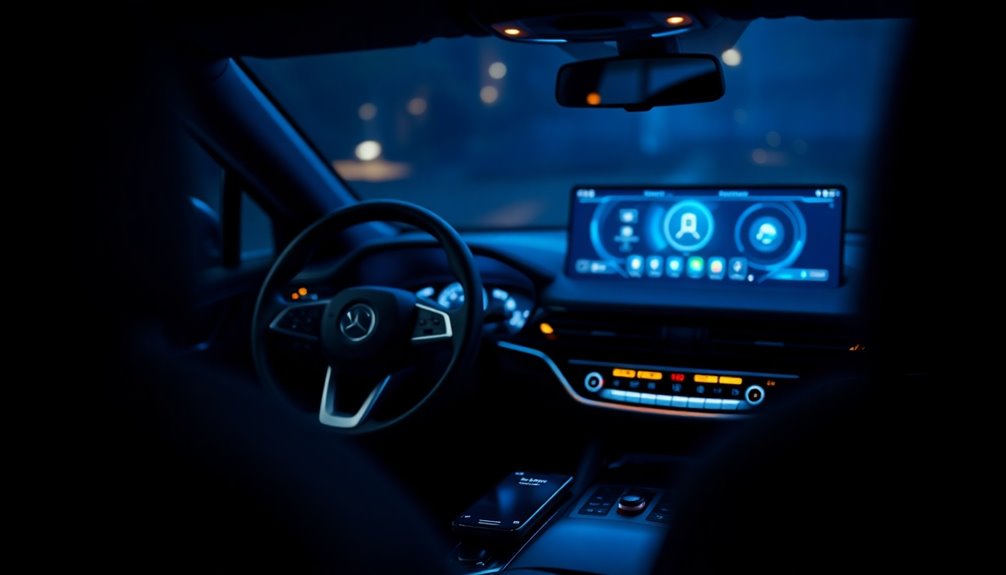

Design Highlights
- Modern cars with advanced tech features can lead to driver complacency and increased distraction while driving.
- Driver Monitoring Systems may feel intrusive but can alert drivers when attention wanes.
- Over-reliance on Advanced Driver Assistance Systems (ADAS) may diminish personal responsibility and awareness.
- Voice-Controlled Interfaces can distract drivers despite being designed to minimize hands-on interactions.
- Infotainment systems and smartphone integrations often complicate driving, increasing the likelihood of accidents.
Distracted driving is a killer. Every year, thousands lose their lives because someone thought it was a good idea to text, scroll, or even just look away for too long. The reality is that modern cars, with all their fancy tech, aren’t always the saviors they’re marketed to be. In fact, they might be turning drivers into distracted wrecks.
Take Driver Monitoring Systems, for example. These newer models claim to track your head and eye movements. Sounds great, right? Cameras analyze your face and even your hand position while you drive. If you look away for too long, they’ll alert you—or worse, the car might even intervene. AI-powered in-car monitoring aims to enhance driver attentiveness, but what happens when you start relying on it too much?
Sure, it’s a neat idea, but it’s also a little creepy. Who wants a car that knows when they’re zoning out?
Then there are Advanced Driver Assistance Systems (ADAS). You’ve got lane departure warnings and adaptive cruise control, which, let’s be honest, can feel like your car is babysitting you. The Insurance Institute for Highway Safety (IIHS) estimates that these systems prevent about 85,000 crashes each year. However, broad device manipulation bans suggest that relying solely on these systems may not be the most effective way to reduce distraction-related incidents.
But does that mean drivers are really paying attention? Or are they just relying on tech to do the job for them?
Voice-controlled interfaces are another layer of distraction in this digital mess. They’re supposed to minimize hands-on device interaction, which is great until you realize that they often require more mental effort. You might think you’re being safe, but the strain of interacting with these systems can lead to just as many “oops” moments.
And don’t even get started on infotainment systems. They’re like a black hole for your focus. Increased complexity leads to higher crash risks, and staring at screens? Yeah, that’s a recipe for disaster. Businesses that operate vehicle fleets should also be aware that distracted driving liability can quickly exceed standard insurance policy limits, making additional coverage critical.
You might think hands-free is safer, but 80% of people are wrong.
Smartphone integration features like Apple CarPlay and Android Auto try to limit distractions, but they can’t eliminate them. Sure, they simplify things, but how many drivers are really paying attention when they’re busy maneuvering through notifications?
In the end, while technology aims to make driving safer, it often does the opposite. Distracted driving is still a massive issue, with over 3,000 fatalities just in 2024.