
Design Highlights
- Evaluate if all essential living spaces, like bedrooms and bathrooms, are accessible on one level for easier mobility.
- Assess doorways and hallways for width to accommodate walkers or wheelchairs, ensuring smooth navigation throughout the home.
- Check for safety features, such as grab rails and non-slip flooring, to minimize fall risks in critical areas like bathrooms.
- Consider whether regular home maintenance tasks are manageable or if hiring services is necessary to maintain safety and functionality.
- Develop an emergency preparedness plan, including a medical alert system, to ensure quick assistance during health or safety emergencies.
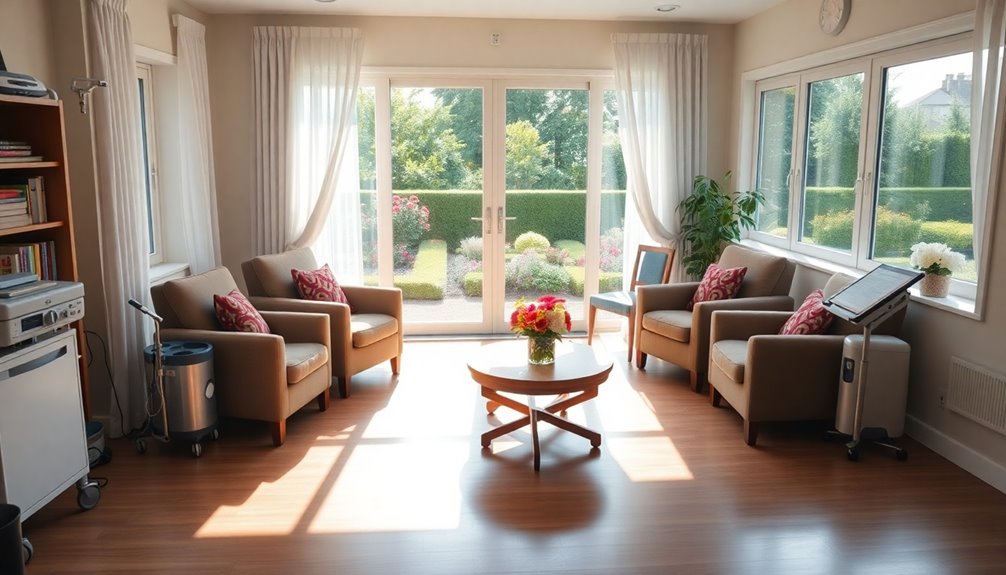
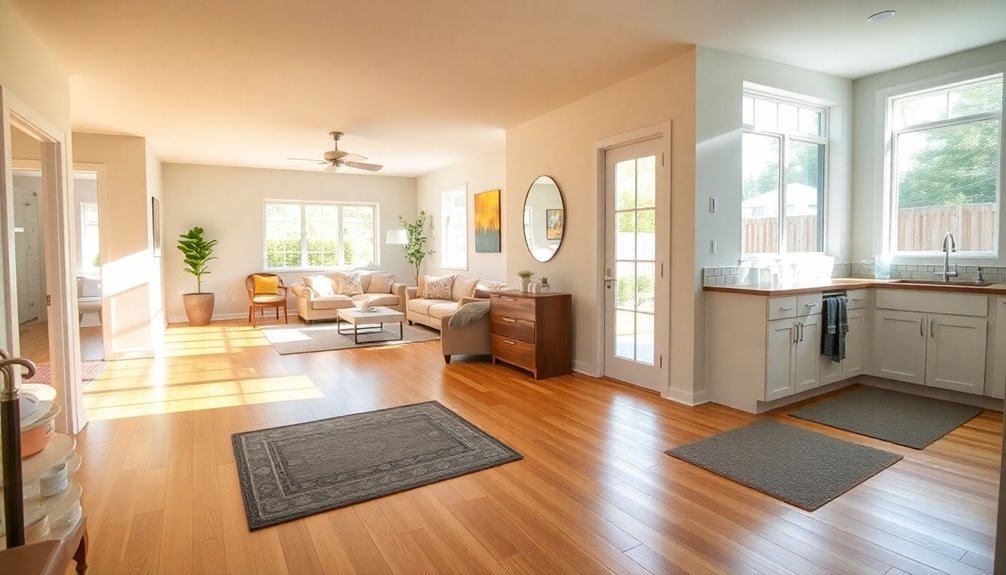
How ready is someone to age in place? It’s a loaded question, isn’t it? For many, the dream is to grow old in the comfort of familiar surroundings. But let’s get real. Is your home actually equipped for you—or your future self? Accessibility is a big deal. Essential areas like bedrooms, kitchens, and bathrooms should ideally be on one level unless you fancy a chair lift or elevator. And if your doorways or hallways can’t accommodate a walker or wheelchair, it might be time for a reality check.
Then there’s safety and mobility. Can you walk without pretending you’re a tightrope walker? A mobility assessment can tell you a lot—balance, assistive devices, the works. Grab rails in bathrooms? Yes, please. They could mean the difference between just another day and an unplanned trip to the ER. Assessing your mobility needs can ensure you’re prepared for any changes. Having safety features like non-slip flooring can also significantly reduce the risk of falls.
And let’s not forget about lighting. Adequate lighting isn’t just for ambiance; it’s about not tripping over your cat at midnight.
Now, onto bathroom and kitchen adaptations. Ever tried to wash your hands at a sink that’s too high? It’s a recipe for frustration. Roll-under sinks and walk-in showers can be game-changers. You want to evaluate for ease of use, especially if your joints aren’t what they used to be. A Certified Aging in Place Specialist (CAPS) can assess all these important areas. They get it. They know what works and what doesn’t.
Maintenance is another beast. If yard work or home upkeep feels like climbing Everest, you may want to reconsider your living situation. Regular assessments can help keep your home in shape, but let’s face it—who has time for that?
Proximity to services is significant. If you’re miles away from grocery stores, medical facilities, or public transport, good luck getting around. Reliable transportation is a must. And if you can’t count on friends or family nearby, that’s a serious red flag.
Lastly, emergency preparedness is non-negotiable. Do you have a plan? Medical alert systems? It’s not just about being proactive; it’s about being smart. Anticipating health needs in the next 5-10 years could save you from a lot of hassle. Long-term care insurance can cover essential services like home health care and adult day care, providing a financial safety net if aging in place becomes more demanding.