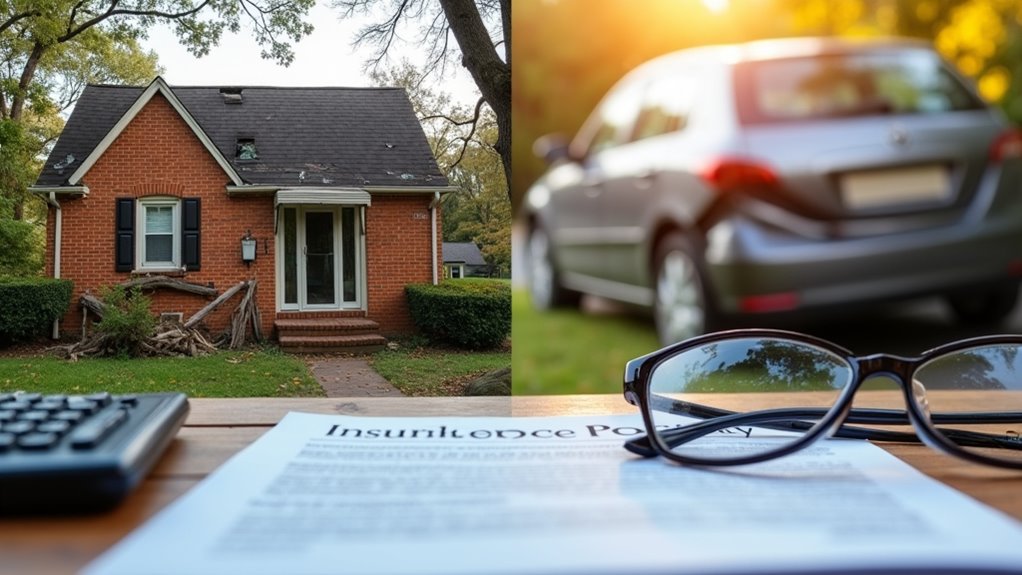

Property and casualty insurance handles two main things: damage to physical stuff and legal liability when someone gets hurt. The property side covers homes, cars, and business inventory against disasters like fires, storms, and theft. The casualty portion picks up the tab for medical bills and legal fees when the policyholder is liable for injuries or property damage. Both have limits and deductibles, naturally. Important exclusions exist—floods and earthquakes usually need separate policies, and intentional damage doesn’t count. There’s more to know about what’s actually covered.
Design Highlights
- Property coverage protects physical assets like homes, cars, and business inventory from disasters including fire, storms, theft, and vandalism.
- Casualty coverage addresses legal liability for bodily injury or property damage caused by the insured to others.
- Policies cover medical expenses, legal fees, and lost income claims resulting from incidents on insured property.
- Common exclusions include intentional damage, wear and tear, floods, and earthquakes, which may require separate policies.
- Coverage limits and deductibles apply to all claims, requiring policyholders to pay specified amounts before insurance pays.
Property and casualty insurance—often shortened to P&C—sits at the heart of financial protection for most people, whether they realize it or not. It’s basically two types of coverage bundled under one umbrella. Property coverage protects physical stuff—homes, cars, buildings, personal belongings, business inventory. Casualty coverage handles liability when someone gets hurt or their property gets damaged and it’s the insured person’s fault. Simple enough.
On the property side, policies cover damage from disasters like fire, storms, vandalism, and theft. Sometimes floods or earthquakes, but usually only if endorsements get added. Commercial property insurance extends this to business equipment and inventory. The insurer pays repair or replacement costs up to policy limits, minus whatever deductible applies.
Policies typically work one of two ways: named perils, which cover only specific listed risks, or open perils, which cover everything except what’s explicitly excluded.
Casualty coverage is all about legal liability. If a guest slips on an icy walkway and breaks an ankle, this coverage pays medical expenses and legal fees if they sue. It protects against bodily injury claims and third-party property damage—like when someone rear-ends another car.
It can even cover lost income claims if someone misses work because of an injury on the insured’s property. Without it, lawsuits could drain bank accounts fast.
Common policy types include homeowners insurance, auto insurance, commercial property insurance, and renters insurance. Flood and earthquake coverage usually require separate policies or add-ons because standard policies won’t touch them.
Covered perils generally include fire, lightning, windstorms, hail, theft, vandalism, and some water damage. Not flood damage, though. That’s different.
Exclusions are where things get tricky—intentional damage, wear and tear, flooding without flood insurance, earthquakes without separate coverage. Liability coverage won’t cover intentional harm or criminal acts. Obviously.
The financial protection matters. P&C insurance reimburses repair and replacement costs, helping people avoid massive out-of-pocket expenses. Liability coverage reduces exposure from lawsuits and medical bills. Business interruption insurance can replace lost income when operations shut down temporarily due to covered events.
But policies have limits and deductibles that impact payouts. Claims require proof of loss, documentation, sometimes inspections. It’s paperwork-heavy.
For individuals and businesses alike, P&C insurance protects wealth and property against unpredictable damage and legal risks.
Businesses especially need it to maintain operations after losses. Regular coverage updates matter since asset values and liability exposure change over time. Policy reviews should happen annually or after major life events like marriage, home purchases, or business expansions. Beyond financial protection, having adequate coverage helps comply with legal requirements in many jurisdictions. It’s not exciting, but it beats financial ruin.
Frequently Asked Questions
How Much Does Property and Casualty Insurance Typically Cost per Year?
Property and casualty insurance costs vary wildly depending on location and coverage. The national average runs between $1,428 and $2,424 annually for typical homeowners policies.
Some lucky folks pay as little as $900 in low-risk states like Hawaii or Vermont. Others? They’re stuck shelling out $3,000-plus in disaster-prone areas like Florida and Texas.
A standard $300,000 dwelling coverage policy typically costs around $2,110 per year.
Location matters most here—some regions pay triple what others do.
Can I Bundle Property and Casualty Insurance With Other Insurance Policies?
Yes, bundling property and casualty insurance with other policies is definitely possible—and pretty common.
Most insurers let customers combine home, auto, and umbrella liability coverage into one package. The perks? Multi-policy discounts up to 25%, simpler billing, better coverage coordination.
Some companies even throw in extras like motorcycle or watercraft insurance. Business owners can bundle commercial property with general liability too.
Just know that bundling might limit insurer options and could make switching individual policies trickier down the road.
What Factors Affect My Property and Casualty Insurance Premium Rates?
Property and casualty insurance premiums get determined by a bunch of factors, honestly.
Location matters—natural disaster zones, crime rates, proximity to fire stations. The property itself counts too: age, building materials, roof condition, replacement costs. Safety features like alarms help.
Coverage amount and deductibles play a role. Then there’s personal stuff: credit score, claims history, insurance score.
Basically, insurers assess risk from every angle. Higher risk equals higher premiums. Pretty straightforward math, really.
How Do I File a Claim With My Property and Casualty Insurer?
Contact the insurer immediately—that’s step one.
Document everything with photos, videos, and detailed lists of damaged property. File a police report if it’s theft or vandalism.
An adjuster will show up to inspect the damage and determine what’s covered. Keep meticulous records of all communications, receipts, and estimates.
The insurer reviews everything, then decides on the payout. If the settlement seems low or gets denied, appeal it.
Pretty straightforward process, really.
Is Property and Casualty Insurance Required by Law in My State?
Auto liability insurance? Yeah, that’s legally required in most states. Period.
But homeowners or renters insurance? Not mandated by law, though mortgage lenders will absolutely force homeowners to buy it.
Some high-risk areas do require specific coverage—flood or earthquake insurance in disaster zones, for example. Requirements vary wildly by state, with different minimum coverage amounts and types.
Bottom line: auto insurance is the main legal requirement. Everything else depends on location and circumstances.