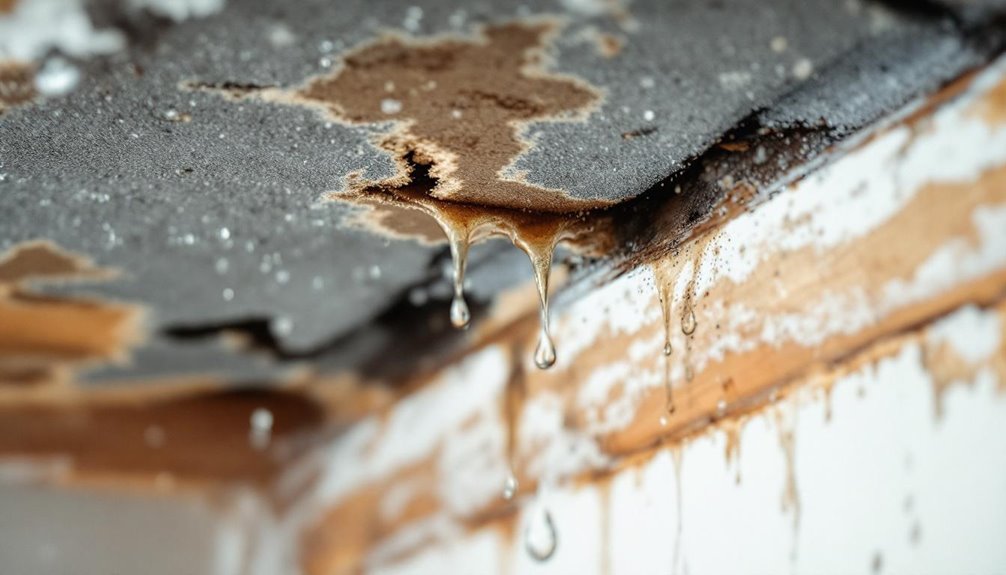
Renters insurance covers leaks when they’re sudden and accidental—think burst pipes or overflowing washing machines. The magic word here is “sudden,” which insurance companies love to use as their favorite loophole. Gradual leaks from neglect? Nope. Flooding from hurricanes or heavy rain? Not covered either, unless there’s separate flood insurance. Sewer backups typically need an extra rider too. The policy protects personal belongings and may cover temporary housing if the place becomes uninhabitable, but structural damage falls squarely on the landlord’s shoulders. Understanding these distinctions becomes essential when filing claims.
Design Highlights
- Renters insurance covers sudden and accidental water damage from burst pipes, overflowing appliances, or leaking water heaters.
- Gradual leaks from neglect or lack of maintenance are not covered by standard renters insurance policies.
- Only personal belongings are covered; structural damage to walls or floors is the landlord’s responsibility.
- Flooding from natural disasters and sewer backups require separate coverage or additional policy riders.
- Tenants must report visible leaks immediately to avoid liability for damages that worsen over time.
Water damage doesn’t care if you rent or own. A burst pipe at three in the morning will ruin your stuff either way. The good news? Renters insurance actually covers certain types of leaks. The bad news? Not all of them.
Renters insurance typically covers sudden and accidental water damage. That burst pipe scenario? Covered. Washing machine decides to overflow and flood your apartment? Also covered. Water heater springs a leak? Usually yes. The key word here is sudden. Insurance companies love that word because it gives them an out for everything else.
Sudden water damage gets covered. Everything else? Insurance companies have perfected the art of finding loopholes.
Gradual leaks are a different story. If water has been slowly dripping behind your bathroom wall for months because nobody bothered to check, that’s not covered. Neglect and poor maintenance don’t get a pass. Neither does flooding from natural disasters. Heavy rains, overflowing rivers, hurricanes—none of that is covered under standard renters insurance. Those require separate flood insurance, which most renters don’t have because, honestly, who thinks about that?
Sewer backups are also excluded unless you purchase an additional rider. Because apparently raw sewage backing up into your living space isn’t terrible enough to warrant automatic coverage.
What renters insurance does cover is your personal property. Furniture, clothing, electronics—all the stuff that makes your rental feel like home. If sudden water damage destroys those belongings, insurance will reimburse for replacement or repair, subject to your policy limits and deductible. Some policies even cover additional living expenses if the water damage makes your place uninhabitable. Temporary housing costs can add up fast. Cleanup costs for damaged personal property are also included in standard coverage.
Here’s the catch about structural damage. If water ruins the walls, ceilings, or floors, that’s the landlord’s problem. Their insurance handles the building itself. Renters insurance only covers your stuff and temporary living arrangements if needed. Landlords usually insure the building structure but leave tenant belongings unprotected.
Tenants have responsibilities too. Report leaks immediately. Failure to report a visible leak can make you liable for damage that worsens over time. However, leaks in concealed areas—under sinks, in attics—aren’t typically the tenant’s fault if they’re not reasonably visible. Immediate reporting helps mitigate damage and clarifies responsibility for the incident.
The bottom line is straightforward. Renters insurance covers sudden, accidental water damage to personal belongings. It doesn’t cover floods, gradual leaks from neglect, or structural damage to the building. Optional add-ons like sewer backup coverage exist but cost extra. Reading policy details matters because assumptions about coverage are how people end up paying out of pocket.
Frequently Asked Questions
Will My Renters Insurance Cover Water Damage to My Personal Belongings?
Renters insurance typically covers water damage to personal belongings if it’s sudden and accidental—think burst pipes or overflowing toilets.
That’s the good news. The bad news? Gradual leaks, poor maintenance, and floods don’t make the cut. Negligence won’t fly either, like leaving windows open during a storm.
Coverage depends on policy limits and deductibles, so the fine print matters.
Basically, if it’s unexpected plumbing chaos, there’s a decent chance belongings are protected.
Does Renters Insurance Pay for Hotel Stays During Leak Repairs?
Yes, renters insurance typically covers hotel stays during leak repairs—but only if the leak is from a covered peril.
Think sudden burst pipes or appliance malfunctions, not that slow drip ignored for months.
Loss of use coverage kicks in when the unit becomes uninhabitable.
There are limits, though—usually 20-30% of personal property coverage.
The insurer wants receipts, proof the place is unlivable, and reasonable expenses.
No five-star suites.
Documentation matters here.
Am I Covered if a Leak Damages My Neighbor’s Apartment?
Yes, renters insurance typically covers damage to a neighbor’s apartment—if the leak was sudden and accidental.
The liability portion kicks in, handling repairs and legal costs up to the policy limit (usually $100,000-$300,000).
But here’s the catch: negligence doesn’t count. Ignored that dripping faucet for weeks? Tough luck.
Coverage also won’t touch gradual leaks, poor maintenance, or anything intentional.
Bottom line? Accidents get covered. Carelessness doesn’t.
How Much Does Renters Insurance Typically Cost per Month?
Renters insurance runs about $12 to $18 monthly on average across the U.S., with most people paying somewhere between $14 and $17.
That’s roughly $150 to $200 a year. Not bad, honestly.
Location matters big time though. Louisiana and Mississippi hit around $21 monthly, while Wyoming and Alaska coast at just $8.
Coverage limits, deductibles, credit scores, and whether someone lives in a high-crime area all mess with the final price tag.
Do I Need Separate Flood Insurance if I Have Renters Insurance?
Yes, renters need separate flood insurance. Standard renters policies don’t cover flooding from external sources like rivers, heavy rain, or hurricanes. Period.
It’s a completely different animal. Flood insurance comes through the National Flood Insurance Program or private insurers, and there’s usually a 30-day waiting period before coverage kicks in.
Renters in high-risk flood zones or areas with flooding history should seriously consider it. Personal property won’t protect itself when water comes rushing in.