
Design Highlights
- High Risk of Breaches: 80% of small businesses faced security breaches, making cyber insurance crucial for financial protection against potential losses.
- Severe Financial Consequences: 60% of small businesses close within six months post-breach, highlighting the need for a safety net like cyber insurance.
- Rising Ransomware Threats: With ransomware driving 88% of attacks, cyber insurance provides essential defense against crippling financial impacts.
- Market Growth: The cyber insurance market is projected to reach $22.5 billion by 2026, reflecting increasing demand for protection among small businesses.
- Proactive Risk Management: As cybersecurity risks evolve, having cyber insurance helps businesses mitigate financial fallout and recover more effectively from incidents.
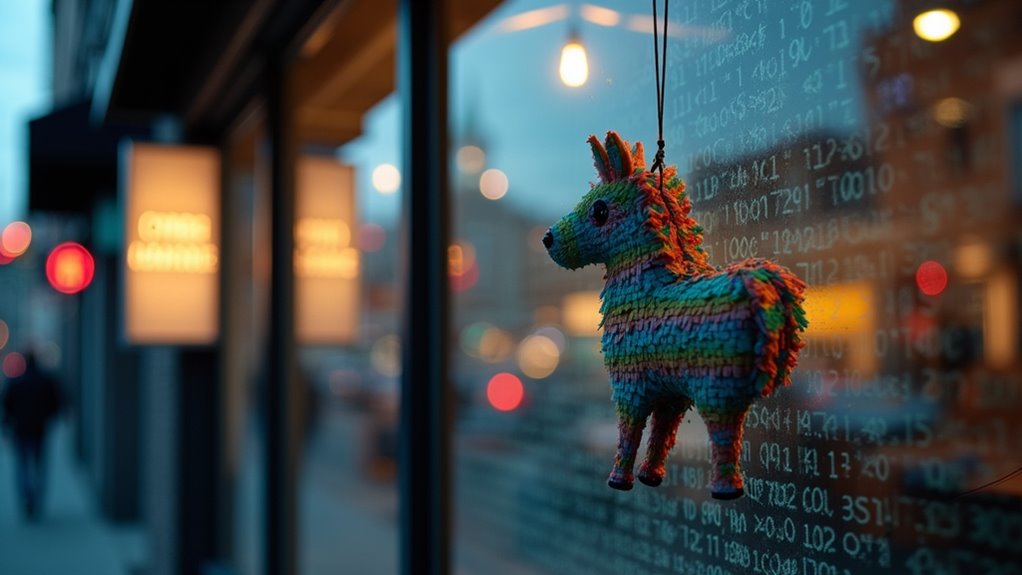
In today’s digital world, small businesses are like piñatas at a birthday party—everyone wants a swing. And the reality is, they’re not just getting hit; they’re getting smashed. Last year, a staggering four out of five small businesses found themselves on the receiving end of a security or data breach. That’s like saying your chances of getting attacked are higher than your odds of finding a good parking spot at the mall during the holidays.
Employees at these companies face 350 percent more social engineering attacks than their counterparts in larger enterprises. Talk about an unfair fight!
Recovery doesn’t come easy, either. Half of small to mid-sized businesses took a full day—or more—to recover from a cyberattack. And when the dust settles, it’s clear that the financial fallout is no joke. More than three-quarters of small businesses reported breach costs of at least $250,000. Shockingly, 37 percent of them lost over $500,000. You’d think that would be a wake-up call, right? But only 10 to 20 percent of small and mid-sized businesses actually bother to purchase cyber insurance. That’s like leaving your front door wide open while you go on vacation.
Let’s talk consequences. Three out of five small to mid-sized businesses close their doors permanently within six months of a data breach. That’s a death sentence, plain and simple. Ransomware alone drives 88 percent of the attacks targeting these businesses. It’s like a horrible game of Monopoly—one wrong move and you’re bankrupt.
The numbers keep piling up. Cyber insurance claims for small businesses averaged $79,000 in 2025. Medium businesses fared slightly better at $139,000, while large businesses were looking at an average of $228,000. Ransomware was involved in 44% of all breaches, underscoring the urgent need for protection. Moreover, the rapid AI adoption is amplifying these risks, making it even more critical for businesses to secure coverage.
But hey, at least cyber insurance is a growing market. It’s projected to reach $22.5 billion by 2026, which means someone’s making bank off this chaos. Much like traditional insurance policies, cyber insurance requires businesses to pay regular premium payments to maintain active coverage and avoid costly lapses in protection.
And yet, many small businesses still roll the dice without any coverage, hoping for the best. But guess what? The risks are only getting worse. With AI and stricter regulations lurking around the corner, staying unprotected feels like walking a tightrope—without a safety net.