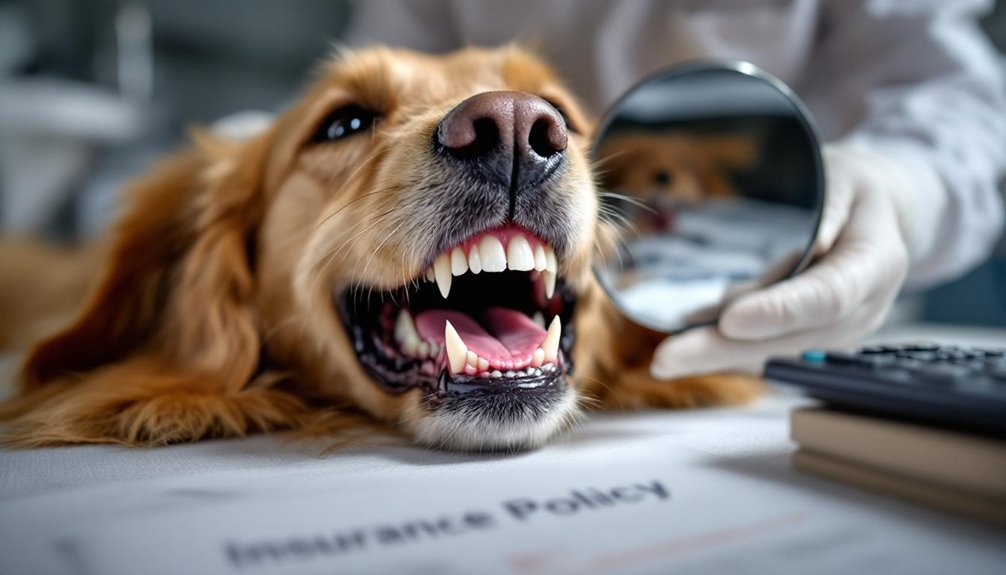

Pet insurance does cover dental care for dogs and cats, but here’s the catch—it depends on what caused the problem. Accidents and illnesses? Usually covered. Routine cleanings and preventive care? That typically requires a separate wellness plan. Coverage varies wildly between providers, with some capping dental benefits at $1,000 annually while others offer unlimited coverage. Pre-existing conditions are always excluded, and waiting periods apply. The specifics matter quite a bit when comparing policies.
Design Highlights
- Pet insurance can cover dental care, but coverage varies significantly between comprehensive, accident-only, and wellness plans.
- Most insurers cover dental accidents and diseases like fractures, abscesses, and periodontal disease, but exclude pre-existing conditions.
- Routine dental cleanings and exams typically require separate wellness plans or optional add-ons to standard policies.
- Annual dental coverage limits range from $1,000 with some insurers to unlimited coverage with providers like Trupanion.
- Waiting periods apply before dental coverage begins, making early enrollment essential for comprehensive protection.
Most pet owners don’t think about their dog’s teeth until something goes wrong. By then, it’s often too late to prevent expensive dental procedures. The reality is harsh: periodontal disease affects 90% of dogs over four years old and over 70% of cats over two years old. That’s not a small problem.
Pet insurance can cover dental care, but not all policies are created equal. Extensive plans handle dental accidents and illnesses including gum disease, infections, broken teeth, root canals, and crowns. Accident-only plans cover trauma like broken or chipped teeth but exclude diseases entirely. Wellness plans typically cover routine cleanings, exams, and checkups. Some providers offer optional add-ons for dental protection if the standard policy falls short.
Here’s where it gets messy. Coverage limits vary wildly between providers. Embrace and Lemonade cap dental coverage at $1,000 per year. Trupanion offers no annual limits whatsoever. Fetch provides full coverage for every adult tooth, not just canines, including complete periodontal disease and oral tumor coverage. MetLife Pet reimburses up to 90% on covered dental treatments. The differences are substantial enough to warrant serious comparison shopping.
But coverage isn’t automatic. Most plans include waiting periods before dental coverage kicks in, particularly for dental disease. Pre-existing conditions are universally excluded. If your pet already has tartar buildup or oral health problems at enrollment, forget about getting those issues covered. Early enrollment matters. A lot.
Some insurers barely cover dental at all. Healthy Paws and AKC Pet Insurance don’t cover dental disease period. Others like Nationwide, Lemonade, Embrace, and Pets Best offer limited dental coverage or charge extra fees compared to more extensive options like Fetch.
Routine care matters for more than just your pet’s health. Some insurers require keeping up with preventive maintenance to maintain active coverage eligibility. Skip routine care, and subsequent dental claims might get denied. Preventive care add-ons typically cover cleanings up to set limits—Pets Best, for example, covers up to $150 per cleaning. Annual or bi-annual dental exams are recommended for maintaining oral health. Chronic inflammation in the mouth stresses the rest of the body and can exacerbate systemic conditions like diabetes.
Common covered conditions include tooth fractures, abscesses, infections, gingivitis, oral tumors, tooth resorption, extractions, crucial pulp therapy, and stomatitis in cats. The treatments aren’t cheap. Root canals and extractions add up fast. The average cost of treating a dog’s broken tooth ranges from $200 to $2,500 depending on the procedure required. Without insurance, dental care can become prohibitively expensive. With insurance, it depends entirely on which policy you choose. Pet owners typically pay the vet bill upfront and then submit a claim for reimbursement based on their policy’s deductible and reimbursement rate.
Frequently Asked Questions
What Is the Average Cost of Dental Procedures for Dogs and Cats?
Dog dental cleanings typically run $300 to $600 for basic procedures, though specialists charge $1,000 to $2,000.
Tooth extractions? Those cost $10 to $500 per tooth, with total procedures hitting $500 to $4,000 when anesthesia and X-rays get added.
Cats usually land on the lower end, with cleanings between $100 and $700.
Location matters. A lot.
Severity of disease matters more. Complex cases involving multiple extractions or periodontal work easily exceed $1,500.
How Often Should Pets Receive Professional Dental Cleanings?
Most dogs and cats need professional dental cleanings once a year.
That’s the baseline. Small breeds? They’re looking at every 6–9 months because their mouths are dental disaster zones.
Senior pets often need cleanings every 6 months too.
Pets on wet food diets? Same deal—soft food doesn’t scrub teeth.
And if a pet already has dental disease, they’ll need more frequent cleanings.
It really depends on age, breed, diet, and how fast tartar builds up.
Are Dental Treats and Home Care Effective at Preventing Dental Disease?
Yes, dental treats and home brushing actually work—when done right.
Daily brushing is the gold standard, markedly reducing plaque and gingivitis. VOHC-approved dental treats can cut plaque by 70% and tartar by 60%. Pretty impressive.
But here’s the catch: neither reaches below the gumline where periodontal disease starts. They’re helpful supplements, not replacements for professional cleanings.
And effectiveness varies wildly depending on whether pets cooperate. Some dogs inhale treats in seconds, defeating the purpose entirely.
Do Veterinarians Require Anesthesia for Pet Dental Cleanings?
Yes, most veterinarians require anesthesia or sedation for dental cleanings.
Here’s why: they need to probe under the gum line, which hurts. A lot. Pets won’t sit still for that. Anesthesia lets vets do thorough cleanings, catch hidden problems like periodontal disease, and perform extractions if needed.
Without it, they can only do superficial work—basically cosmetic stuff that misses the real issues lurking below.
Modern anesthesia is pretty safe with proper monitoring, though risks increase with age or health conditions.
Can I Purchase Standalone Dental Insurance for My Pet?
No. Standalone dental insurance for pets doesn’t really exist.
Major providers simply don’t offer it as a separate product.
Dental coverage comes bundled into extensive pet insurance plans instead.
Want routine cleanings covered? That requires purchasing a wellness add-on to an existing policy.
Accident and illness plans might cover dental emergencies or disease, but nobody’s selling dental-only insurance.
It’s all or nothing—well, all with an add-on for the routine stuff.