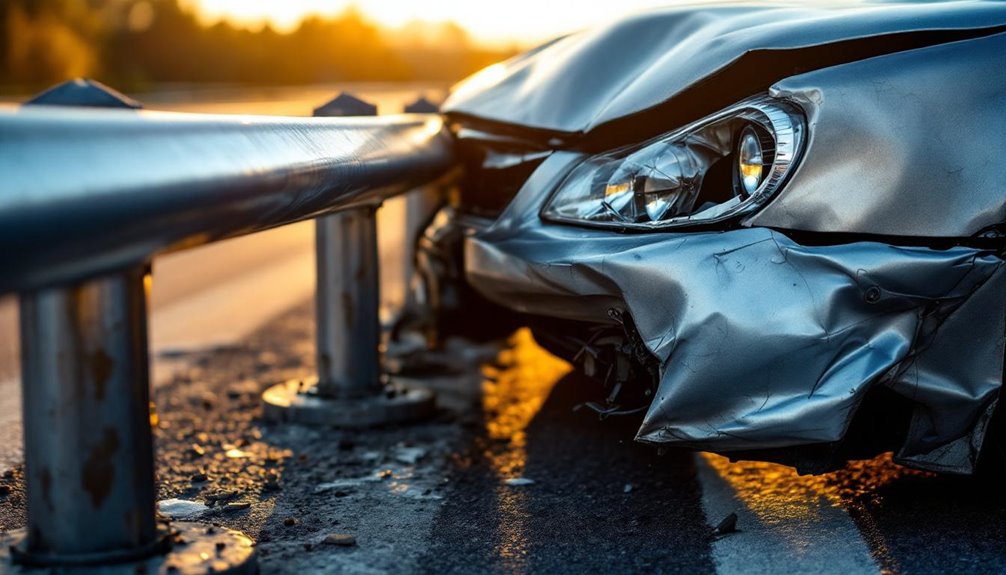

Collision auto insurance covers damage to a driver’s own vehicle after an accident, regardless of who’s at fault. It kicks in whether the crash involves another car, a single-vehicle incident, or even a stationary object like a tree or guardrail. Most states don’t require it, but lenders absolutely do for financed or leased vehicles. The average annual cost runs about $290, though drivers must pay a deductible first. It’s particularly valuable for newer cars with steep repair costs, while older vehicles might not justify the expense. There’s more to evaluate about coverage limits and exclusions.
Design Highlights
- Collision insurance covers damage to your vehicle from accidents, regardless of fault, including single-car crashes and hit-and-run incidents.
- Lenders typically require collision coverage for financed or leased vehicles, though it’s otherwise voluntary in most states.
- It excludes theft, vandalism, natural disasters, and injuries—those require separate liability or comprehensive insurance coverage.
- Average annual cost is approximately $290, with deductibles typically ranging from $250 to $1,000 affecting premium amounts.
- Most valuable for newer or financed vehicles with high repair costs; older vehicles may warrant skipping coverage.
When a driver smashes into another car—or a tree, or a guardrail, or pretty much any solid object—collision insurance is what covers the damage to their own vehicle. It doesn’t matter who caused the wreck. The insurance pays regardless of fault, which is kind of the point. Without it, drivers are stuck footing the bill themselves.
This coverage is voluntary in most states. But here’s the catch: lenders and leasing companies almost always require it. They want their investment protected, naturally. So anyone financing or leasing a vehicle doesn’t really have a choice.
Collision insurance handles repairs or replacement costs when a vehicle gets damaged in an accident. That includes crashes with other cars, single-car accidents like rollovers, and even hitting stationary objects. Potholes count too. Hit-and-run incidents where some jerk flees the scene? Covered. The coverage also extends to motorcycles, boats, and RVs.
The policyholder pays a deductible first—usually between $250 and $1,000—then the insurer covers the rest up to the vehicle’s actual cash value.
What collision insurance doesn’t cover is equally important. It won’t pay for injuries to people or damage to other vehicles. That’s liability insurance territory. Liability coverage is mandatory in most states and protects against damages or injuries you cause to others. It also excludes anything covered by broad insurance: theft, vandalism, natural disasters, falling objects, animal collisions. Basically, if it’s not a crash or collision with an object, collision insurance isn’t interested.
The difference between collision and broad gets confusing fast. Collision covers driver-related incidents—accidents where the vehicle physically hits something. Broad covers uncontrollable external events. Think of it this way: collision is about what happens when driving goes wrong. Broad is about everything else going wrong.
They’re sold separately but usually purchased together for complete protection. Having both types ensures broader protection against various risks that could damage a vehicle.
Cost-wise, collision coverage averages around $290 annually, though rates vary wildly by insurer and location. Broad typically costs less. The deductible amount affects premiums directly. Higher deductibles mean lower premiums but more out-of-pocket expense after an accident.
Is collision insurance worth it? Depends. For newer or financed vehicles, it makes sense. Repair and replacement costs can be brutal. For older vehicles worth less than a few thousand dollars, some drivers skip it and gamble. Without collision coverage, they’re paying full repair costs themselves unless another driver is at fault and has insurance.
The bottom line: collision insurance protects vehicle owners from expensive repair bills after accidents. It’s required for financed vehicles, optional otherwise, and covers damage from collisions regardless of who screwed up.
Frequently Asked Questions
Does Collision Insurance Cover Damage From Potholes or Road Debris?
Collision insurance covers pothole damage, plain and simple.
Hit a pothole? You’re covered, minus the deductible.
Road debris is trickier. If you actually hit debris sitting on the road, collision kicks in.
But if debris flies up and smacks your car while you’re driving? That’s extensive territory, not collision.
Swerve to avoid debris and hit something else? Collision covers that mess.
Bottom line: potholes yes, flying rocks no.
Will My Collision Coverage Pay for a Rental Car?
Collision coverage doesn’t pay for rental cars while the damaged vehicle sits in the shop.
That’s a different beast entirely—rental reimbursement coverage.
However, most insurers extend collision protection to rental cars driven for personal use in the US and Canada. Same deductible applies.
The catch? High deductibles, international trips, or policy exclusions might make those rental company waivers worth considering.
Credit cards sometimes offer secondary coverage too, but restrictions apply.
Can I Add Collision Insurance After Purchasing My Auto Policy?
Yes, collision coverage can be added after buying an auto policy. No need to start over.
Most insurers let customers add it online, by phone, or through an agent. The insurer will adjust the premium and issue confirmation. There might be a short waiting period before it kicks in, but that varies by company.
Easy enough. Just submit a formal request, pick a deductible, and the policy gets endorsed with the new coverage.
Does Collision Insurance Cover Custom Parts or Aftermarket Modifications?
Standard collision insurance doesn’t cover custom parts or aftermarket modifications. Period.
Those fancy rims, custom paint job, or souped-up stereo system? Not included.
Drivers need to purchase Custom Parts and Equipment (CPE) coverage as an add-on to their collision policy.
But here’s the catch: coverage caps typically max out around $20,000, and illegal modifications are excluded.
Vehicle owners must document and disclose all modifications upfront, or they’re out of luck when filing claims.
How Does My Deductible Affect My Collision Insurance Premium Costs?
Higher deductibles slash premium costs—plain and simple. Bump it from $200 to $500, and premiums drop 15% to 30%. Go for $1,000? That’s 40% or more off.
The catch? It’s not proportional. Double the deductible doesn’t mean half the premium. Insurance companies just love when drivers take on more risk upfront.
Lower deductibles mean fatter monthly bills since insurers cover more repair costs immediately. It’s the classic trade-off: pay now or pay later.