
Design Highlights
- Travelers are frustrated as comprehensive insurance policies exclude conflicts, leaving them without coverage for canceled flights due to war.
- Many insurance plans void medical assistance for injuries linked to acts of war, increasing travelers’ vulnerability in conflict zones.
- Airline cancellations to affected regions force travelers to navigate confusing rebooking and refund processes, complicating their situation.
- “Cancel-for-any-reason” policies offer limited reimbursement, often failing to alleviate financial burdens for travelers caught in conflict.
- Consumer advocacy reveals a broken insurance system, with many feeling stranded and unsupported during crises.
Imagine this: you’ve planned a dream trip, only to have it shattered because fighting broke out at your destination. You rush to your insurance provider, expecting relief. Instead, you’re met with the harsh reality that your policy doesn’t cover cancellations or delays caused by conflicts. It’s like buying a ticket to a concert and finding out the band isn’t showing up—no refunds, no apologies. Consumer advocacy groups affirm there’s a wide recognition of this issue, noting that no insurance policies actually cover claims tied directly to war. Talk about a recipe for frustration.
Medical emergencies? They’re a different ballgame—sort of. Overseas health insurance usually covers medical issues not related to war. If you twist an ankle while hiking, you’re good. But if a bomb goes off next door? Good luck. Insurers exclude any medical care directly linked to acts of war or armed conflict. So, if you need help after an explosion, your policy might as well be a piece of paper. Policies must not start post government travel advisories to ensure coverage.
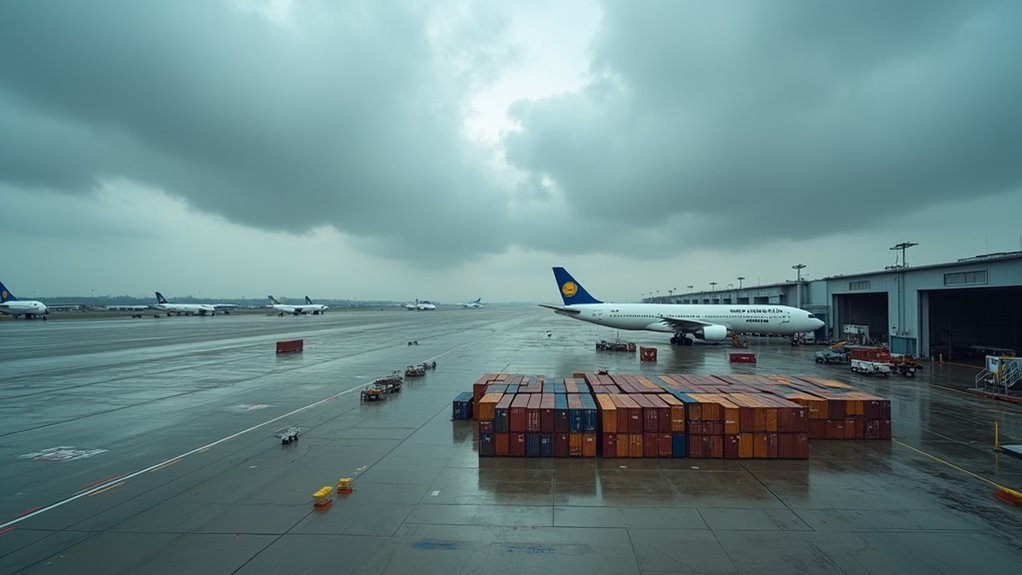
Then there’s the airline situation. Thousands of flights to Middle Eastern hubs have been canceled, leaving passengers high and dry. Sure, U.S. law says airlines must rebook or refund you for delays and cancellations, but good luck negotiating with them when war is the reason for your stranded status. You might find yourself chatting with an airline rep who’s just as confused as you are.
For those who thought they were safe with “cancel-for-any-reason” policies, think again. Sure, some of these plans offer partial reimbursement, but they come with limits. If you didn’t buy one before your trip, you’re basically on your own.
It’s a mess, and travelers are rightfully furious. The system is broken, leaving them in a lurch with few options. In the end, they’re left wondering if their insurance really covers anything at all.