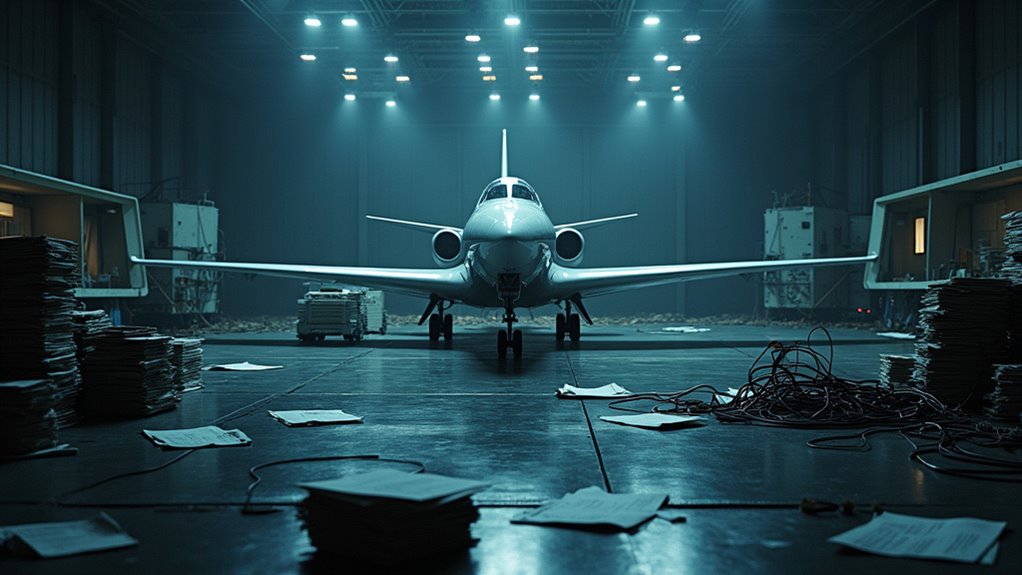
Design Highlights
- Extensive testing and regulatory hurdles delay AI integration in aviation, preventing transition to operational use.
- Cultural resistance among aviation stakeholders impedes the adoption of AI technologies.
- Legacy systems require significant retrofitting, complicating the implementation of AI solutions.
- Limited data availability during pilot phases stifles effective AI performance analysis.
- Mandatory human oversight ensures safety, but can inhibit AI’s full operational deployment.
In the world of aviation, AI is stuck in a frustrating limbo—pilot purgatory, if you will. It’s a bizarre situation where groundbreaking technology is held hostage by layers of testing, regulations, and good old-fashioned fear. Aviation’s obsession with safety means that before any AI system can take flight, it must endure a grueling gauntlet of simulations, real-world trials, and regulatory validation.
It’s like making a student take every single exam possible, even after acing the final.
It’s akin to forcing a student to retake every test, even after acing the final exam.
Regulatory bodies are not exactly known for their speed. They create bottlenecks that stall the progression from promising pilot programs to actual operational use. So what if the pilot program shows promise? Aviation authorities require multiple validation phases, dragging project timelines into the abyss. Safety-critical systems demand exhaustive testing, which can delay commercial deployment indefinitely.
It’s not just about proving AI can work; it’s about proving it can work safely, which, let’s be honest, is a tall order.
Then there’s the industry’s natural conservatism. Aviation stakeholders are a cautious bunch, hesitant to embrace shiny new technologies. They cling to traditional methods like a life raft in stormy seas. Implementing AI requires not just technical changes but a complete cultural overhaul. The challenge is compounded by the fact that passengers are 2.5 times more likely to use self-service AI kiosks than traditional check-in counters.
It’s less about tech and more about getting everyone on board with the idea. Communication of AI benefits? Essential. Otherwise, it’s just a hard sell that meets with crossed arms and skeptical glances.
Even when AI does make it through testing, there are still huge operational challenges. Full flight simulators are stuck in the past, needing retrofitting to accommodate new AI systems. Biometric integrations, like eye tracking, sound cool in theory but are a mess in practice.
The cultural acceptance of monitoring technologies? Just as tricky as the tech itself. Additionally, full flight simulators remain the cornerstone of pilot training, making their integration with AI all the more critical.
And let’s not forget the human oversight requirements. Despite AI’s capabilities, instructors still hold the reins. Final decisions rest firmly in human hands. That’s right—no robot overlords here. Trust in AI hinges on this human-in-the-loop approach, which means the tech can’t just run wild.
Lastly, there’s the data dilemma. AI needs a mountain of industry-wide data to truly shine. But during pilot phases, the data is sparse, making meaningful analysis nearly impossible.
It’s a classic chicken-and-egg situation: without data, AI stumbles; without AI, data sits idle. The result? A frustrating cycle that keeps AI trapped in pilot purgatory, waiting for a chance to finally take flight.