Design Highlights
- Major insurers, including Gard and Skuld, are ending war-risk coverage effective March 5, 2026, impacting vessels near Iranian waters and the Gulf.
- Escalating US-Israeli strikes and Iranian attacks have heightened military conflict, increasing the Strait of Hormuz’s classification as a high-risk zone.
- Insurance premiums have surged by 50% overnight due to heightened risk and reduced reinsurer capacity amid geopolitical tensions.
- Coverage exclusions now include Iranian waters, the Persian Gulf, and operations near the Gulf of Oman, leaving traders vulnerable.
- The industry is reacting with heightened caution, leading to abrupt terminations of previously relied-upon coverage and instability in maritime operations.
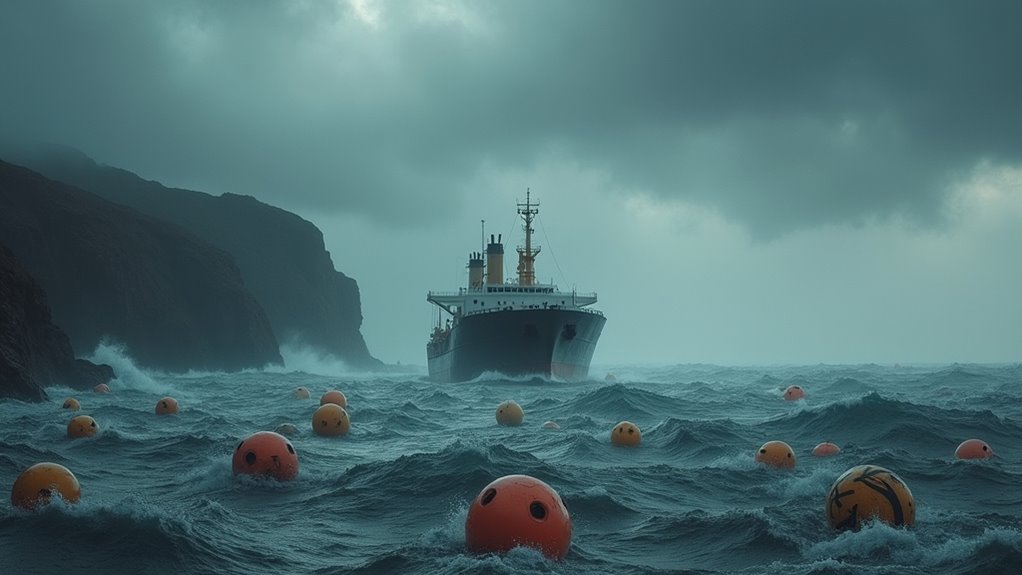
In a shocking twist that’s sending ripples through the maritime world, major insurers like Gard and Skuld have decided to pull the plug on war-risk coverage. Yes, you heard that right. Effective March 5, 2026, if your vessel dares to wander near Iranian waters or the Gulf, good luck finding coverage. It’s like playing a game of chicken, but with a ship. Who’s going to blink first? Spoiler alert: it’s not the insurers.
The decision comes on the heels of escalating tensions in the Middle East. Joint US-Israeli strikes on Iran ignited a powder keg of military conflict, and guess who’s left holding the bag? That’s right—commercial shippers.
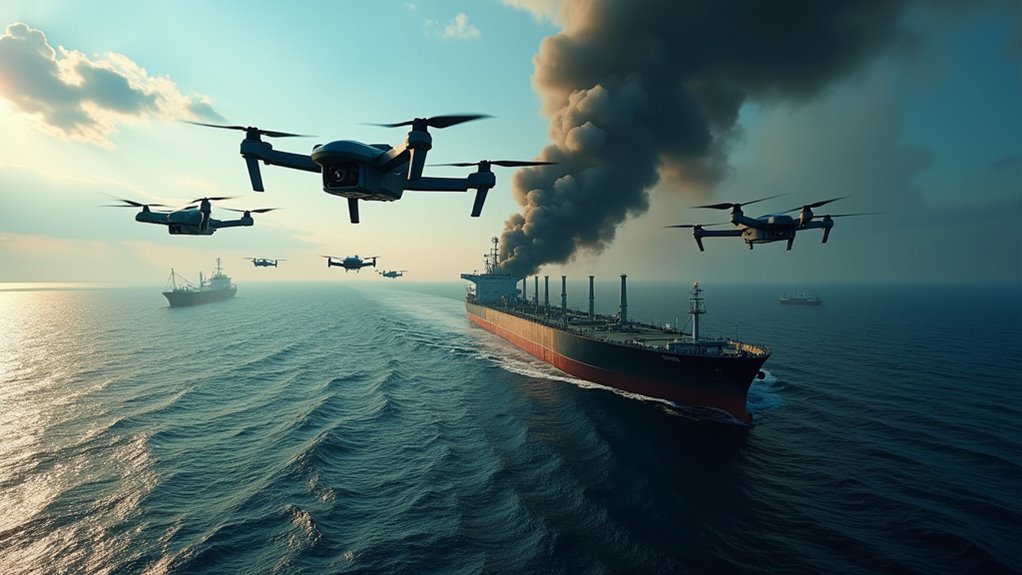
Iranian attacks on Gulf states have sent maritime security into a tailspin. The Strait of Hormuz, a critical artery for global trade, is now a high-risk zone. Ships aren’t just slow; they’re stuck. Traffic has come to a standstill. Talk about a maritime traffic jam!
And let’s talk about those exclusions. Forget about coverage in Iranian waters or the Persian Gulf. If you’re operating near the Gulf of Oman or anywhere close to that line from Oman’s territorial limit, you’re out of luck. The insurance safety net has officially turned into a gaping hole.
Even port areas in excluded countries are getting the cold shoulder. It’s like being banned from a party you didn’t even want to attend.
What about the insurance products? They’re just as grim. P&I cover for charterers? Terminated. Traders? Say goodbye to war-risk protection. It’s a cascade of cancellations. Extensive liability? Gone.
It’s as if someone flipped a switch, and now everyone’s scrambling to figure out what to do next. Premiums are soaring—up 50% overnight! Talk about a rude awakening.
Reinsurers are tightening their belts too. They’re pulling back capacity faster than you can say “geopolitical tensions.” Underwriters are revising premiums like it’s a school assignment due yesterday.
The General Insurance Corporation of India has even announced it’s withdrawing marine hull war-risk cover in high-risk regions. Similar to how group policies typically end when employment circumstances change, these maritime coverage agreements are being severed abruptly, leaving ship operators without the protection they once relied upon.