
Design Highlights
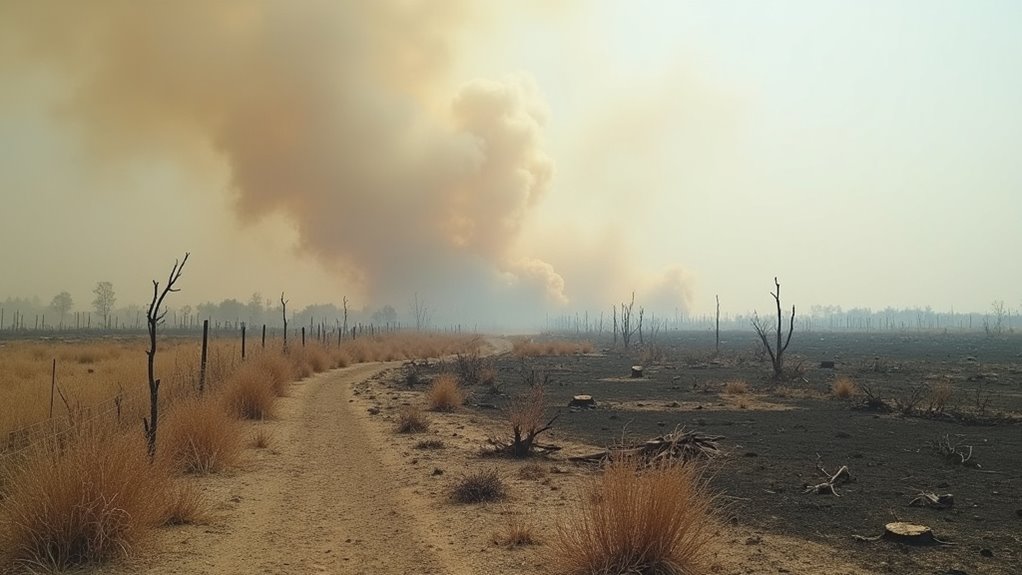
- Wildfires have destroyed significant grazing lands, leaving ranchers struggling to find adequate feed for their cattle.
- The ongoing cattle inventory crisis is compounded by severe feed shortages, impacting ranchers’ ability to sustain herds.
- Rising operational costs and limited feed sources create financial strain for ranchers already facing higher insurance premiums.
- Cattle prices are expected to rise sharply, yet ranchers’ profitability is threatened by production declines and increased expenses.
- The combination of natural disasters and economic pressures poses a long-term viability risk for the ranching industry.
Cattle ranchers across the U.S. are scrambling for feed like it’s Black Friday and the last TV is on sale. The cattle inventory is at its lowest since 1951—86.2 million head, to be exact. It’s a shocking decline, and beef cows? They’ve dipped to 27.6 million, marking the seventh year in a row of decreases. The 2025 calf crop is projected to be 32.9 million, the smallest since 1941. It’s not just a blip; it’s a full-blown crisis.
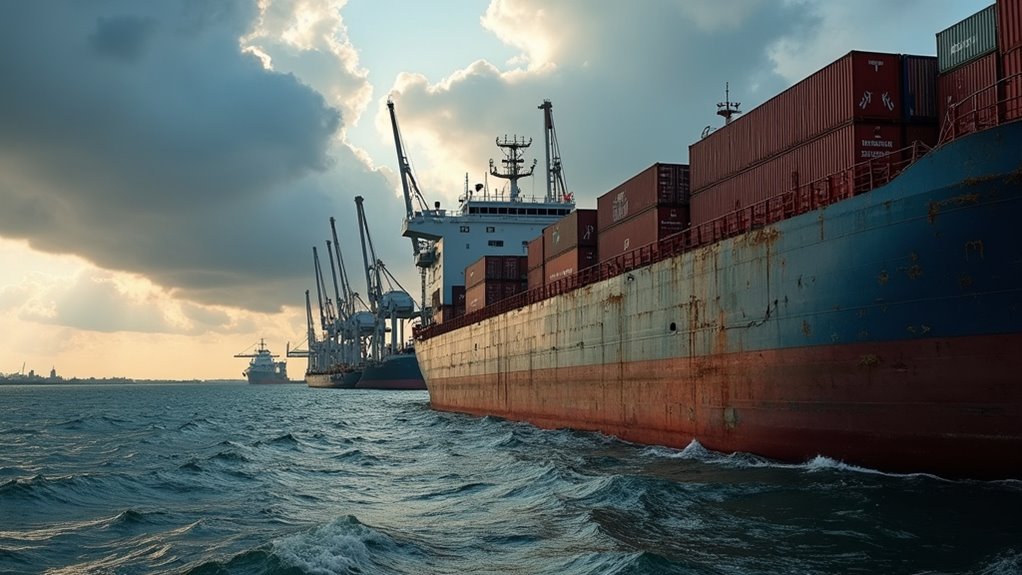
Then there’s the feeder cattle shortage. In January, placements were down 5% compared to last year. And if that wasn’t enough, the U.S. halted imports of Mexican feeder cattle due to a New World screwworm outbreak. Hundreds of thousands of cattle that could’ve filled the gap are now stuck on the wrong side of the border. Typically, those imports would range from 1.2 to 1.5 million head annually. So much for a steady supply.
The feeder cattle shortage worsens as U.S. imports from Mexico halt, leaving ranchers scrambling for supply.
As if the situation couldn’t get worse, the closure at the U.S.-Mexico border has triggered a nosedive in cattle shipments to U.S. feedlots. In Texas, Oklahoma, and New Mexico, they’re staring down the barrel of potentially losing one billion pounds of beef production in 2026. Talk about a gut punch! The Lubbock Feedyard, after 70 years of operation, is closing up shop. All thanks to this feeder cattle fiasco.
Prices are skyrocketing. Farm-level cattle prices are projected to rise 6.1% in 2026, following a staggering 20.8% increase in 2025. And wholesale beef prices? Expect a 6.9% hike. In November 2025, cash cattle prices plummeted 13% after news of imported beef from Argentina hit. Go figure.
Beef production is also taking a hit. Fed slaughter is set to decline by 600,000 head, with the U.S. cattle inventories at a 75-year low contributing to rising beef prices. With imports up 17% to 1.76 million metric tons, you know it’s bad when marketings are at just 87% of last year’s levels. Herd rebuilding? Don’t hold your breath. It’s unlikely until at least 2027, thanks to high input costs and aging producers. Additionally, the total inventory of cattle on feed as of February 1 is 11.5 million head, reflecting continued supply challenges.
Financial pressures are squeezing the industry hard. Tyson Foods reported a staggering $319 million operating loss in its beef division for Q1 of fiscal 2026—12 times worse than the previous year. And with high interest rates and land costs, ranchers are stuck in a contraction phase. There’s no meaningful expansion in sight until 2028. On top of everything, ranchers in high-risk zones prone to natural disasters are seeing their insurance premiums climb, adding yet another cost burden to an already struggling industry. It’s a mess, and ranchers are feeling it deep.