
Design Highlights
- Agritourism revenue reached $1.26 billion in 2022, highlighting the sector’s rapid growth and escalating insurance needs for farmers.
- Increased agritourism activities expose farmers to new risks, necessitating reassessment and expansion of insurance coverage.
- Customized insurance policies addressing climate-related risks are essential for protecting agritourism ventures against financial disasters.
- The insurance market is expected to grow significantly, driven by the surge in agritourism and evolving risk factors.
- Technological advancements in farming help improve risk assessment, making insurance planning crucial for sustainable agritourism operations.
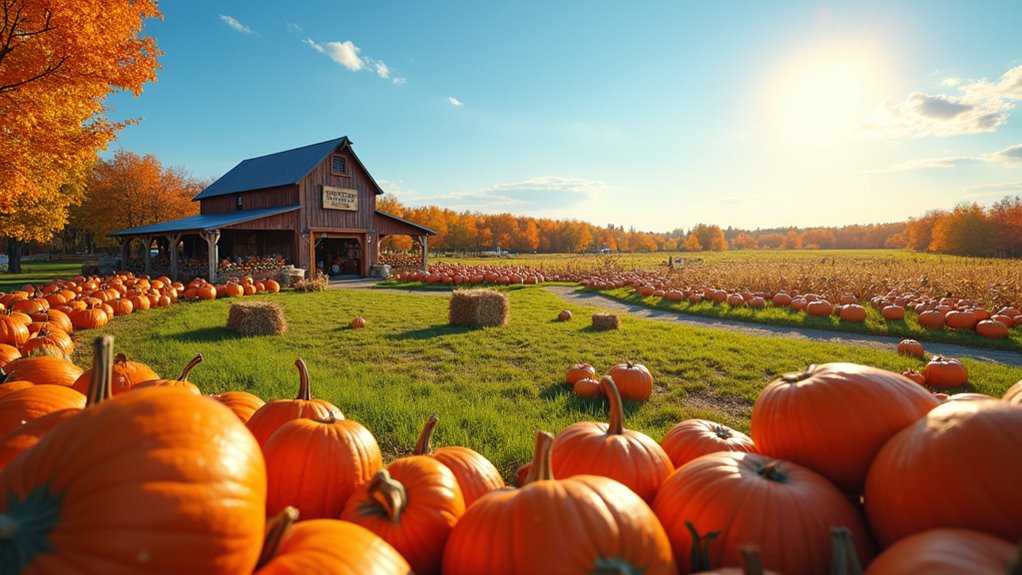
As agritourism booms, farmers are diving into a world where picking pumpkins can mean picking up extra cash. In 2022, U.S. farms and ranches raked in a whopping $1.26 billion from agritourism services. That’s right—billion with a “B.” This revenue was not just a fluke; it marked a solid 12.4% increase since 2017, adjusted for inflation. The trend is clear: agritourism is not just a side gig; it’s a lifeline. About 57% of U.S. counties reported agritourism income, and experts anticipate this market will grow over 10% annually for the next five years. Farmers are diversifying their operations, all thanks to the unpredictable weather and volatile markets that leave traditional revenue sources shaky at best.
Agritourism is booming, with U.S. farms earning $1.26 billion in 2022—an essential lifeline for diversifying operations amid market uncertainties.
But hold on—this newfound cash flow isn’t just about apples and pumpkins. Alongside the growth in agritourism comes a pressing need for insurance. With farms expanding into this booming market, the demand for agritourism insurance is surging. As these operations scale up, so do the risks. Farmers can no longer just rely on their old policies; they need to reassess and expand coverage. It’s not just an opportunity; it’s a necessity. And let’s be honest—who wants to face a financial disaster because their insurance isn’t up to snuff?
The insurance market itself is evolving. By 2025, it’s projected to be valued at $14.37 billion, with a compound annual growth rate of 11.26% from 2025 to 2033. Climate change is making sure of that. Increased weather events mean farmers need specialized coverage. Approximately 57% of U.S. counties are seeing the direct impact of this change. With an increase in weather-related events, insurers are prompted to create more tailored policies to meet evolving needs.
And the tightening insurance market isn’t making things any easier. Major players like State Farm and Nationwide are scrambling to keep up with the rising demands. Bundling coverage options can help farmers save money while addressing their expanding needs, with bundled policies potentially reducing premiums by 10% to 25%. It’s a race, and everyone wants a piece of the pie.
Emerging trends, like precision agriculture and telematics, are changing the game. Farmers are adapting, using technology to assess risks better. It’s all about staying one step ahead, especially with the government throwing in incentives for agricultural insurance. Meanwhile, high-value operations are popping up everywhere, fueling this market growth.