
Design Highlights
- The FDA is conducting a safety review of BHA, a preservative used since the 1950s, due to health concerns and public pressure.
- BHA is classified as a “reasonably anticipated human carcinogen” and is commonly found in cereals and snack foods.
- The review will begin on February 10, 2026, marking a shift towards stricter regulation of food safety and preservatives.
- Manufacturers are now under pressure to reformulate products as the FDA targets other preservatives like BHT and azodicarbonamide.
- Increased transparency in food labeling and potential price changes are expected as consumers become more aware of harmful preservatives.
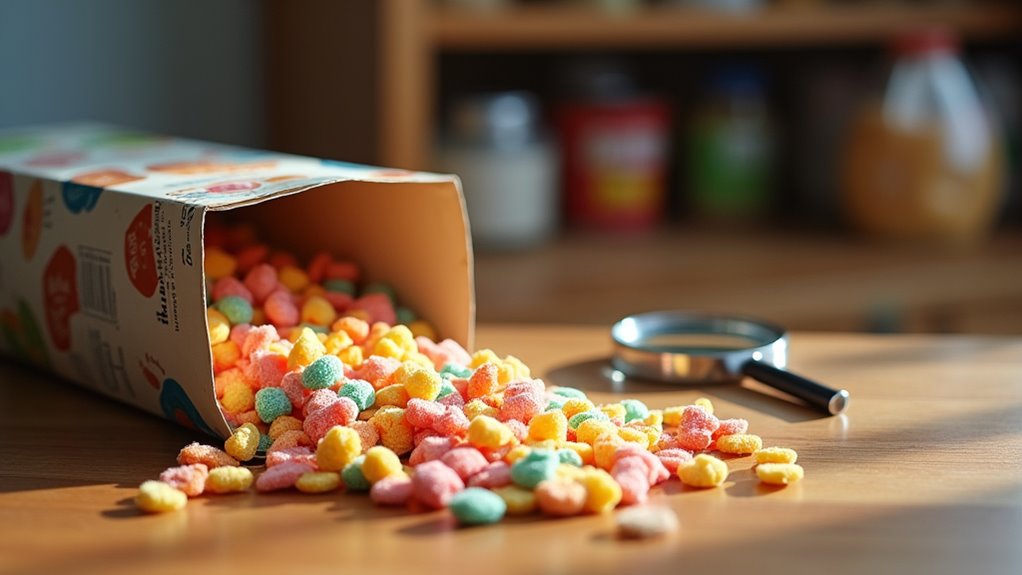
Food preservatives, like Butylated Hydroxyanisole (BHA), have been quietly lurking in our favorite snacks and cereals for decades, but the party may be coming to an end. Once hailed as a miracle chemical, BHA was approved for food use back in the 1950s and 1960s. It’s been a staple in cereals, frozen meals, and snack foods, keeping them “fresh” for far too long.
But wait! What’s this? The National Toxicology Program has classified BHA as a “reasonably anticipated human carcinogen” based on animal studies. Oops.
Oops! The National Toxicology Program just labeled BHA as a “reasonably anticipated human carcinogen” based on animal studies.
Just when you thought you could trust your morning bowl of cereal. Now, the FDA has announced a full safety review of BHA set to kick off on February 10, 2026. This is the first major review under their shiny new chemical program initiated in May 2025. Apparently, public outcry and health advocate recommendations finally got someone’s attention.
It’s about time, right? The FDA is prioritizing BHA because of its presence in child-targeted products. Yes, you read that right. Your kids’ snacks might be hiding something more sinister than just added sugar. According to FDA Commissioner Marty Makary, this decisive action aims to guarantee that the chemicals in our food supply don’t cause harm. Well, isn’t that reassuring? This review marks the beginning of a broader assessment of synthetic preservatives and their safety for consumer products. Additionally, the FDA is expected to propose regulation requiring GRAS notices for all substances in 2026.
The reassessment of BHA signals a new regulatory era for food chemicals. HHS Secretary Robert F. Kennedy, Jr. has made it clear: the “trust-us” era of food safety is over. Thank goodness!
The FDA isn’t stopping with BHA. They’ve got a list. Next up, Butylated Hydroxytoluene (BHT) and azodicarbonamide, that delightful dough conditioner also found in yoga mats. Yum!
Manufacturers are already sweating bullets, auditing their formulations and scrambling to identify products containing BHA, BHT, and azodicarbonamide. They’re on the lookout for alternative preservatives. The FDA’s webpage tracking chemicals under review is about to be the hottest place on the internet. Companies will need to act quickly since selections made by December 15 can ensure changes take effect by the start of the new year.
Amid all this chaos, the FDA is also planning assessments for other chemicals, like phthalates and PFAS. It’s like a game of chemical whack-a-mole.