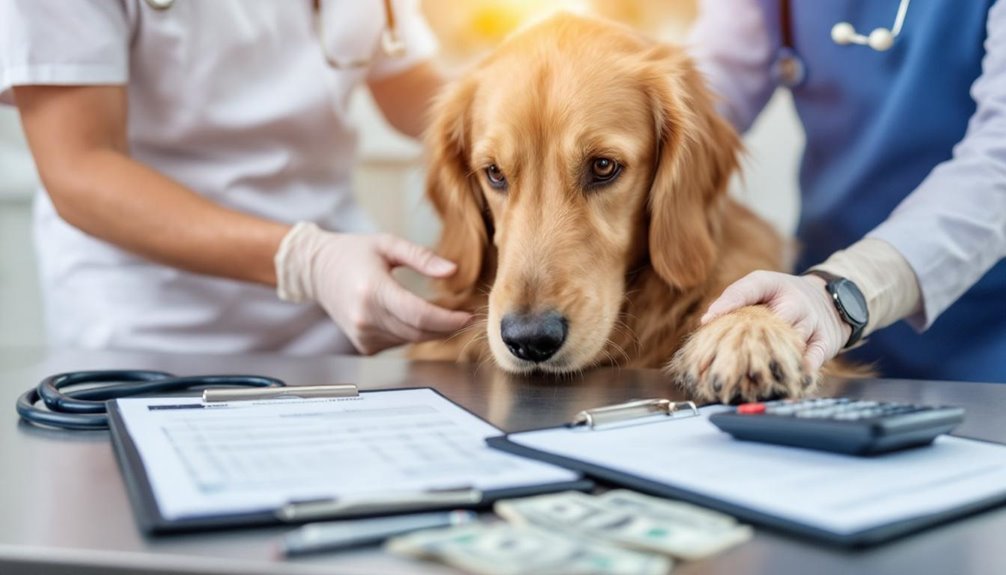

Pet insurance functions as a financial safety net where owners pay monthly or annual premiums for coverage of veterinary expenses from accidents, illnesses, or injuries. There’s no insurance card to swipe at checkout—owners must pay upfront and submit claims with receipts and medical records for reimbursement via check or direct deposit. Reimbursement amounts depend on deductibles, coverage percentages (typically 70% to 90%), and policy limits. Premiums vary based on the pet’s age, breed, and health history, with waiting periods before coverage kicks in.
Design Highlights
- Pet insurance requires paying monthly or annual premiums to cover veterinary expenses from accidents, illnesses, or injuries.
- Pet owners pay vet bills upfront, then submit claims with receipts and medical records for reimbursement.
- Reimbursement amounts depend on your deductible type, reimbursement percentage (70-90%), and coverage limits chosen.
- Coverage options include accident-only plans, accident and illness plans, or wellness add-ons for preventive care.
- Premiums vary based on your pet’s age, breed, and health history, with waiting periods before coverage begins.
Pet insurance works like a financial safety net—until pet owners actually try to use it. The basic idea sounds simple enough. Pet owners pay monthly or annual premiums for coverage that reimburses veterinary expenses from accidents, illnesses, or injuries. But here’s the catch: owners pay vet bills upfront first, then file claims for reimbursement later. No upfront coverage. No swiping an insurance card at checkout.
The reimbursement process involves submitting claims electronically or by mail with receipts and medical records. If approved, pet owners typically receive payment via check or direct deposit within about a week. The amount reimbursed depends entirely on plan terms—specifically the deductible, reimbursement percentage, and coverage limits chosen when signing up.
Deductibles come in two flavors. Annual deductibles require meeting a set out-of-pocket amount once per year before coverage kicks in. Per-incident deductibles mean paying that threshold for each new condition separately. Higher deductibles lower monthly premiums. Lower deductibles increase them. It’s a trade-off.
Once the deductible is met, reimbursement rates determine how much pet owners actually get back. Most plans offer rates between 70% and 90% of eligible vet bills. Higher rates mean higher premiums but better cost recovery. Then there are coverage limits—annual or lifetime caps on what insurers will pay. Some plans offer unlimited coverage. Others have fixed monetary ceilings that can disappear fast with serious conditions.
Policy types vary considerably. Accident-only plans cover injuries but not illnesses. Accident and illness plans provide broader protection including chronic and emergency conditions. Maximum benefit plans set fixed payout amounts per condition without annual resets. Lifetime plans cover ongoing treatments for chronic conditions year after year with renewing limits. Wellness plans typically cover routine care and preventive services but are add-ons. Wellness add-ons may cover routine care like vaccinations and check-ups, though these cost extra. Some insurers also offer plans specifically designed for pets with pre-existing incurable illnesses.
Unlike human health insurance, pet insurance operates fee-for-service without network restrictions. Pet owners can visit any licensed veterinarian or specialist across the country. That’s actually convenient. However, most policies exclude cosmetic or elective procedures along with breeding-related expenses from coverage.
Premiums depend on multiple factors: pet’s age, breed, health history, and chosen coverage parameters. Older pets cost more to insure. Certain breeds with higher illness risk carry higher premiums. Multi-pet discounts exist. Payment frequency matters too. Plans with higher coverage limits, lower deductibles, and higher reimbursement rates predictably cost more. Most insurers impose waiting periods before coverage starts—typically two days for accidents, two weeks for illnesses. Because of course they do.
Frequently Asked Questions
Does Pet Insurance Cover Pre-Existing Conditions?
Most pet insurance doesn’t cover pre-existing conditions. Period. If the illness or injury showed up before coverage started—or even during the waiting period—it’s typically excluded.
Doesn’t matter if there’s a formal diagnosis or just symptoms. The good news? Some insurers will cover curable conditions if the pet stays symptom-free for around 180 days.
A few companies even cover incurable ones after a year of continuous coverage. But that’s rare. Most plans only protect against future problems.
Can I Use Any Veterinarian With Pet Insurance?
Yes. Pet insurance works with any licensed vet in the United States, Canada, or Puerto Rico.
No networks, no restrictions, no pre-approval nonsense. The pet owner picks whoever they want—specialists, emergency clinics, random vets while traveling. Doesn’t matter.
Most policies require paying upfront and submitting claims for reimbursement later. Some insurers like Trupanion offer direct payment at checkout if the vet’s software supports it.
But generally? Pay first, get reimbursed after.
What Is the Typical Waiting Period Before Coverage Begins?
Most pet insurance companies make you wait before coverage kicks in. Accidents? Usually 2 to 15 days, though some insurers offer immediate coverage.
Illnesses typically require 14 to 30 days of waiting. The standard seems to be about 2 days for accidents and 14 days for illnesses across major providers.
Orthopedic conditions? Way longer—think 6 months to a year.
Wellness plans are the exception. They generally start right away with no waiting period required.
Are Routine Vaccinations and Wellness Visits Covered by Pet Insurance?
Standard pet insurance doesn’t cover routine vaccinations or wellness visits—those count as preventive care, which gets excluded from base policies.
Insurance companies want to cover emergencies, not predictable stuff. But here’s the workaround: pet owners can buy separate wellness add-ons or preventive care riders.
These optional plans typically cost $9.95 to $26.70 monthly and cover shots, checkups, teeth cleaning, and similar routine care.
They usually have no deductibles and offer reimbursements up to annual limits.
Does Pet Insurance Cost Increase as My Pet Ages?
Yes, most pet insurance companies jack up premiums as pets age—some by as much as 1,162%.
A dog’s monthly premium can double from puppy years to age eight, then nearly double again by twelve. Over thirteen years, that initial $35/month balloons past $11,000 total.
Why? Older pets get sick more often, file more claims, and cost insurers more money. Simple math, really.
Trupanion’s the lone exception—they lock rates at enrollment age, though costs still creep up from rising vet expenses.