
Design Highlights
- Flood Insurance Awareness Week runs from February 1 to 7, 2026, emphasizing flood risk education in Wisconsin.
- Spring and summer storms can lead to unexpected flooding, impacting many properties without insurance.
- Approximately 2 million properties in Wisconsin lack flood insurance coverage, leaving residents vulnerable.
- Standard homeowner policies do not cover flood damage; obtaining flood insurance is essential for financial protection.
- The National Flood Insurance Program (NFIP) offers coverage, but policies have a 30-day waiting period before they take effect.
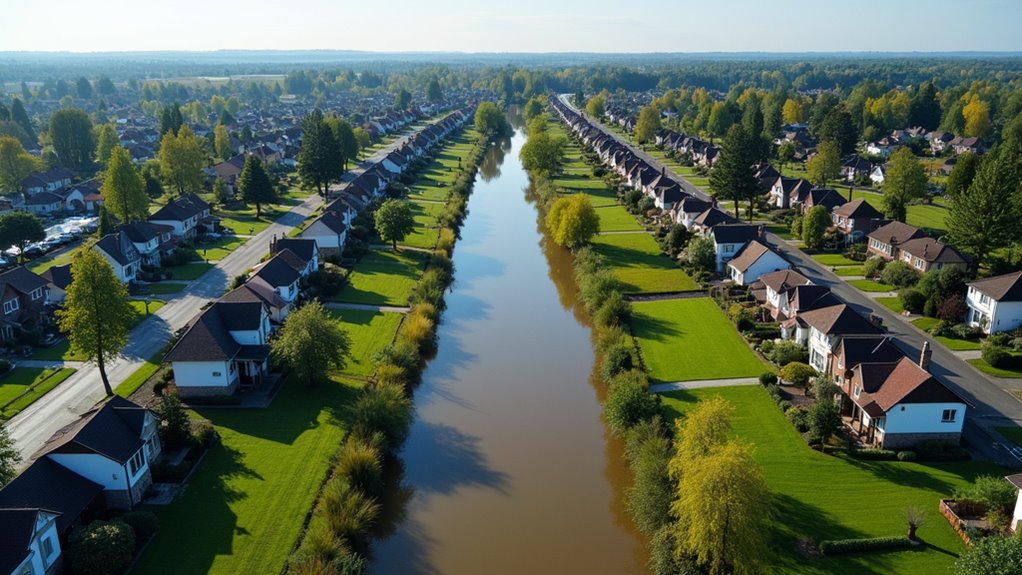
Flood Insurance Awareness Week is set to make waves from February 1 to 7, 2026, in Wisconsin, thanks to Governor Tony Evers waving his proclamation wand. It’s about time, right? With climate change shaking things up and floods becoming the norm rather than the exception, this week is a wake-up call for residents. It’s a moment to sit down and take a good, hard look at flood risks that could ruin homes and businesses. Spoiler alert: They’re higher than most people think.
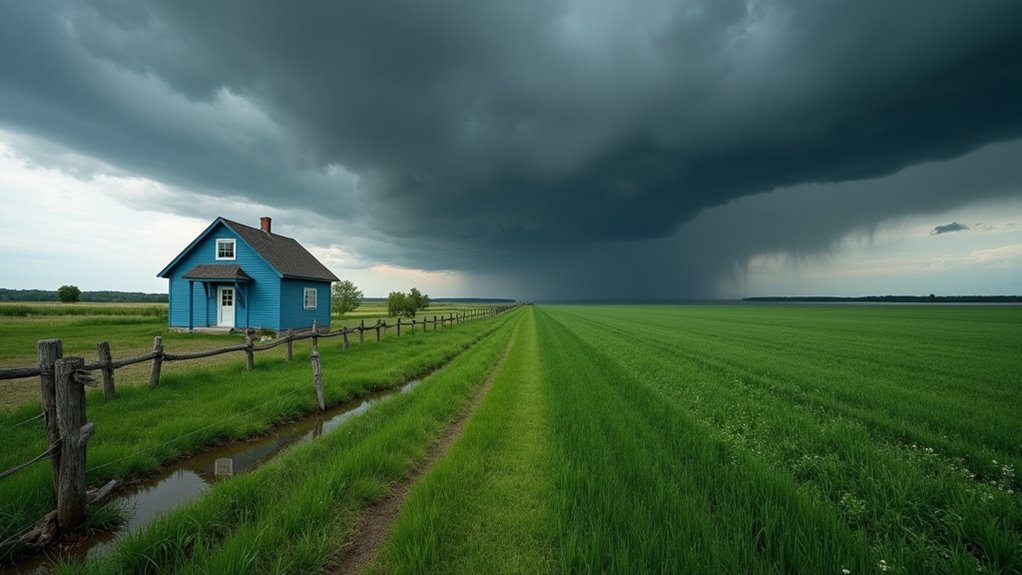
Now, let’s get real. Floods can happen anywhere, anytime. They’re sneaky like that—sudden storms, melting snow, you name it. It’s not just some far-off problem; it’s knocking at Wisconsin’s door. Yet, a staggering 2 million properties in the state are uninsured for flood damage. That’s right. Millions of folks are living on the edge, thinking “It won’t happen to me.” But it could. And when it does? Good luck. Standard homeowner policies don’t cover floods. Surprised? You shouldn’t be.
Flood insurance is available through the National Flood Insurance Program administered by FEMA, but many are still in the dark about it. It’s not just a safety net; it’s a lifeline. So, if you’re in a flood-prone area, pay attention. Coverage can be for buildings, contents, or both. But here’s the kicker—if you wait until a storm is looming, that policy won’t kick in for 30 days. So, procrastination could cost you big. Even just an inch of water can cause an estimated $25,000 in damage, making flood insurance critical for protecting your property and finances.
Flooding is the most common and costly natural disaster in the U.S., yet it seems folks would rather ignore the elephant in the room. Who wants to think about floods when there are TikTok dances to learn? But floods are real, and they’re happening every day across the country. The Flood Hub‘s upcoming campaigns aim to educate the public about flood risks and preparedness, making it crucial to stay informed. During Flood Safety Preparedness Week, many Georgia residents are encouraged to understand safety protocols before, during, and after a flood.
Flood Insurance Awareness Week isn’t just a clever title; it’s a necessary reminder. It’s about getting people to think, to assess their risks, and to prepare. Because if you think you’re safe, think again. Floods don’t care about your plans or your insurance misconceptions. They’ll sweep in, take what they want, and leave you scrambling.