
Design Highlights
- The insurance payout was denied due to multiple exclusions in the policy, particularly those related to abuse and intended injuries.
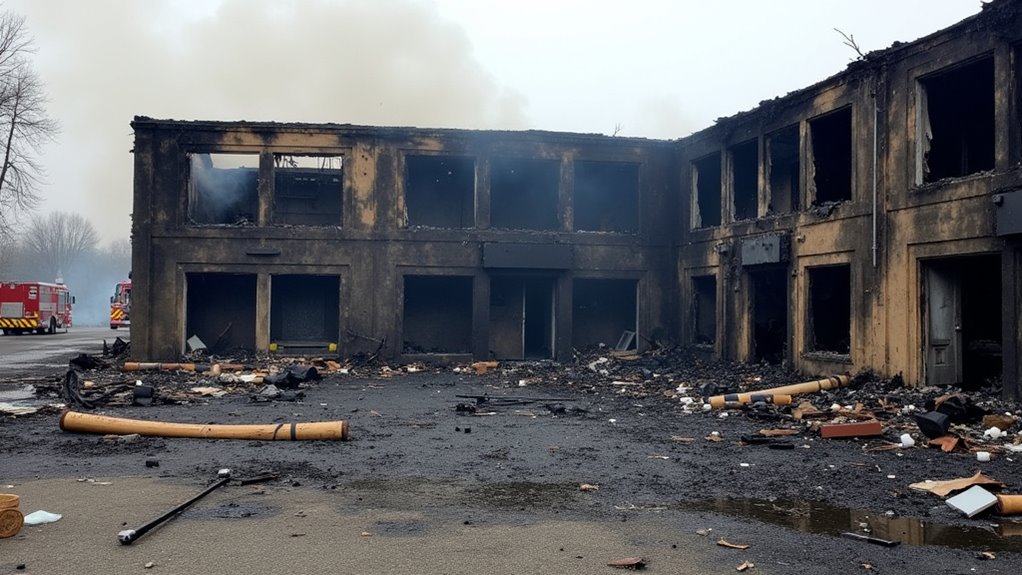
- The devastating fire resulted in ten fatalities, but the insurer claimed the policy exclusions rendered the owner ineligible for coverage.
- Delayed incident reporting can jeopardize claims, as policies often require prompt notification to avoid denial.
- Long-term care insurance claims can be denied without proper medical documentation showing residents needed assistance with daily activities.
- Unlicensed facilities face significant challenges in securing insurance, often leading to outright denial of coverage in tragic incidents.
In a shocking turn of events, an assisted living owner found themselves barred from receiving an insurance payout that could have saved their facility. This wasn’t just any payout; it was a lifeline following a devastating fire that claimed the lives of ten residents. You’d think a tragedy like this would at least warrant some financial support. But no, the owner soon discovered that their insurance policy was riddled with exclusions like a block of Swiss cheese.
An assisted living owner faces heartbreak as a fire tragedy leads to a denied insurance payout, exposing policy loopholes.
First off, abuse and molestation exclusions? They can deny coverage faster than you can say “what happened?” Then there are those pesky expected or intended injury claims. If an injury is even remotely foreseeable, good luck getting a payout. And let’s not forget the professional services exclusions. Medical incidents? Sorry, not covered. It’s a wonder anyone gets anything from these policies.
But wait, it gets better. Claims-made policies require the owner to report incidents within a tight 60-90 day window. Any delays? Poof! Just like that, the insurer can claim they’ve been prejudiced. Fear of premium hikes often leads to procrastination, and then boom, the door slams shut. Try explaining that to families grieving their loved ones. Timely reporting incidents is essential to maintain coverage and avoid these pitfalls.
And what about policy lapses? If the policy expired and there’s no tail coverage, any claims filed after that expiration date are denied, no questions asked. New incidents in 2024 filed in 2025? Forget about it. Delayed claims can leave assisted living facilities vulnerable to lawsuits from years prior.
Then, there are long-term care denials due to lack of medical documentation. Unless you’ve got proof that a resident needed assistance with at least two activities of daily living (ADLs), you’re out of luck. Long-term insurance approval processes typically involve a review of medical records, which can complicate claims further. And heaven forbid you have a preexisting condition. That’s a surefire way to get your claim tossed in the trash.
To add insult to injury, unlicensed facilities are often denied coverage altogether. They must meet specific licensing standards, or the insurers say “no thanks.” It’s a tangled web of regulations and exclusions, leaving facilities scrambling for help. Understanding policy limits and deductibles is crucial for facility owners to avoid unexpected financial burdens when disasters strike.